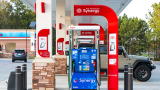
ExxonMobil to invest $15 billion in low-carbon future
The global energy company has investment in carbon capture, biofuels and hydrogen production.
Over the next six years, ExxonMobil plans to invest more than $15 billion on lower greenhouse gas emission initiatives. The company says its on track to meet our 2025 emission-intensity reduction goals by the end of this year.
A significant share of the spending will be directed toward low carbon solutions business, which is focused on reducing greenhouse gas emissions from hard-to-decarbonize sectors such as heavy industry, commercial transportation and power generation, which together account for more than 80% of the world’s energy-related emissions.
“We see tremendous opportunities to use our technology and expertise in carbon capture and storage, hydrogen, and biofuels to support meaningful reductions in global emissions. We expect those opportunities to grow as policy support for low-carbon solutions increases,” said Darren W. Woods, Chairman and CEO of ExxonMobil.
Biofuels and hydrogen
ExxonMobil sees biofuels playing an important role in a lower-carbon future, especially in reducing greenhouse gas emissions from commercial transportation.
Their Canadian affiliate, Imperial Oil, is progressing plans to produce renewable diesel at its Strathcona refinery in Edmonton using a proprietary catalyst technology that enables advantaged production.
In the U.S., they have expanded their agreement with Global Clean Energy to purchase up to 5 million barrels per year of renewable diesel from its biorefinery in Bakersfield, California starting next year.
ExxonMobil also produces about 1.3 million metric tons of hydrogen annually.
The international oil company is also involved in many projects for carbon capture and storage, a way to collect CO2 emissions and securely store them deep underground. Carbon capture and storage is critical to reaching net zero by 2050, according to independent experts like the International Energy Agency and the UN Intergovernmental Panel on Climate Change.