Fuel Rewards and the value of loyalty programs
With millions of users, thousands of stations and multiple major brands as partners, the Fuel Rewards program from Shell and PDI laid the foundations for loyalty programs in the fuels market.
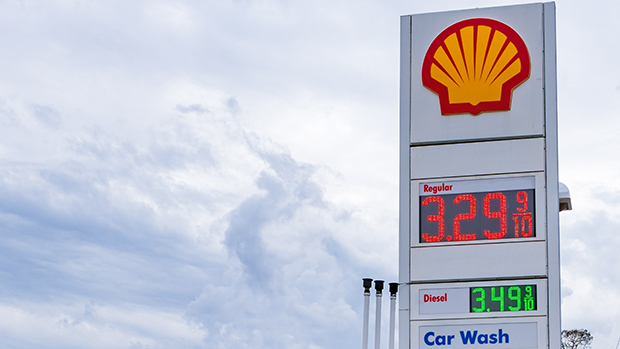
Loyalty programs for gas stations and convenience stores have blossomed over the last decade. Prior to 2010, fuel discounts were mostly used by supermarkets to enhance their own loyalty programs and drive engagement at their stores. Now retailers want to have their programs, owning the personal data and having the ability to communicate directly with their customers. A pioneering moment in the space was the launch of the Fuel Rewards program in 2012 by PDI Software and Shell, a system that allows customers to shop, dine, book travel, and make other day-to-day purchases that earn them cents-per-gallon rewards.
Ten years after the launch, the loyalty program has almost 30 million users, 13,000 Shell stations participating and over 2 billion gallons sold every year, becoming the premier national coalition loyalty program for cents-per-gallon savings at the pump.
"Fuel Rewards launched in 2012 with Shell and paved the way in the U.S. when it comes to fuel loyalty programs. In the last 5 years, you've seen other majors and regional players come up with their own loyalty programs,” explains Bobby Spence, VP & General Manager of Fuel Rewards at PDI Software.
With most U.S. gas stations still competing on price, the ability to save cents on the gallon remains a priority for customers. The ability to attract and retain a customer through discounts and rewards is something most retailers are now exploring. According to data from PDI, depending on the characteristics of the retailer’s program, members of a loyalty program can be two to three times more valuable at the pump and inside the store.
A key challenge is getting customers to sign up and provide their data. "You need to give customers a reason to join a program. We offer three cents off every gallon everyday just for joining. We've also built a network of 'ways to save' through partners like T-Mobil, Dunkin’ Donuts and Advance Auto Parts. When summed all together, on average users are saving 10 cents a gallon,” says Spence.
Programs such as Fuel Rewards allow retailers to interact with the user. Around 75% of customers that pull up to a U.S. gas station do not step inside the store. Through these digital platforms brands can engage customers before, during and after their fuel transaction, offering products inside the store or rewarding them for their visit. It’s important to have the right offering though. Leveraging data to make individual messages and offers is “extremely important” in today’s market.
Growing through partnerships
In December of 2021, Shell and PDI announced that AAdvantage, the American Airlines loyalty program, was joining the Fuel Rewards program as its first airline partner. Members can earn two AAdvantage miles for every gallon of fuel they purchase at Shell.
Spence believes Airlines in the U.S. have done a good job with loyalty programs. “The partnership with AAdvantage was about giving consumers choice. We wanted both members to able to choose the currency they value most, gallons or miles. We've seen a ton of engagement so far.”
Last January, Advance Auto Parts announced a new collaboration with Shell to provide savings on gas to drivers through its loyalty program, Speed Perks Gas Rewards.
Partnerships are critical for coalition loyalty programs – just over 30% Fuel Rewards’ user acquisitions comes from this channel. Fuel is a proven currency in the U.S. and there continues to be a benefit to including it in the marketing loyalty strategy of major brands.
Asked about how electric mobility will play into this scenario, Spence says PDI wants to be a leader in the EV loyalty space. It remains unclear if EV charging can be integrated into an existing program such as Fuel Rewards or if it will require a separate platform. The Atlanta-based supplier, which continues to jump from acquisition to acquisition, plans to have a solution in the market by the end of the year.