Japan: ENEOS and PFN succeed in AI-controlled petrochemical plant trial
The project lasted two days and consisted of monitoring important factors and adjusting valves based on simulated data processed by the system.
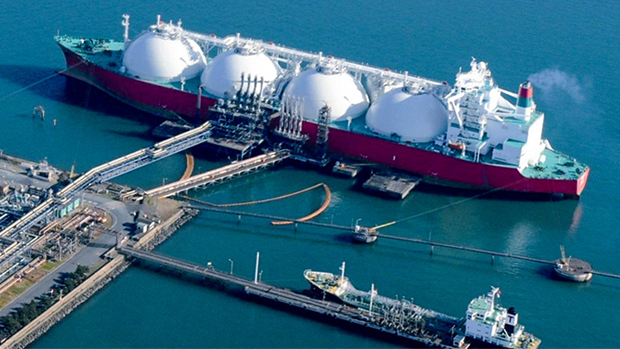
ENEOS Corporation and Preferred Networks, Inc. have announced that they have succeeded in operating a butadiene extraction unit autonomously in ENEOS Kawasaki Refinery's petrochemical plant for two consecutive days using a new artificial intelligence system. The system, which was jointly developed by both companies, automates large-scale and complex operations of oil refineries and petrochemical plants that currently requires veteran operators.
The AI was designed to predict the facility’s unit future sensor values and valve operation requirements based on past data of complex correlations between several similar values generated via simulated data. The trial lasted two days, in which the system managed to monitor 25 important factors, including internal temperature, pressure, flow rate and product conditions, and autonomously adjust 12 valves in the butadiene extraction unit.
Both firms expect the AI system will help improve safety and stability of plant operations by reducing dependence on operators’ varying skills levels. It’s development is supported by 2020 subsidies from Japan’s Ministry of Economy, Trade and Industry.
The trial will continue to achieve stable operations and to extend its use to other major plant units including crude distillation units on the same site and other refineries. After the success in its joint-venture, ENEOS and PFN are planning to implement a new AI-based autonomous plant operation model to increase production and energy efficiencies.