Major hydrogen development plan released in China
Hydrogen infrastructure will be rolled out across highways in the Yangtze River Delta Region over the next ten years.
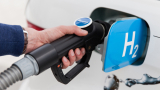
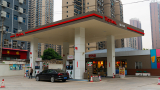
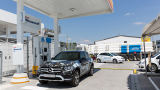
The Hydrogen Corridor Construction and Development Plan in the Yangtze River Delta Region was released last week. The plans sets out the development of hydrogen fuelling stations and the expansion of fuel cell vehicles.
As China’s first cross-provincial hydrogen development plan, the “H2 Corridor” will focus on the balanced development of H2 stations and associated infrastructure with fuel cell commercial vehicles, according to the Government.
The Yangtze River Delta Region includes Shanghai and three provinces with a combined $2.5 trillion GDP accounting for almost 20% of China's total GDP.
“Collaborative development of the hydrogen corridor with joint efforts to connect cities in the Yangtze River Delta region will be an effective approach to overcome the challenges facing the hydrogen infrastructure development,” said Wang Ju, Deputy Secretary-General of China SAE.
Aligning its existing H2 resources and leading expertise in the FCV demonstration, Shanghai is playing a pivotal role in China’s hydrogen economy development. The city is also poised to be the starting point of the “H2 Corridor” plan released by China SAE. The plan outlines the three-stage development below, including a timetable and a hydrogen roadmap with Shanghai as the flagship city and Rugao, Suzhou, Huzhou, and Ningbo as the backbone in the first phase of the corrid
By 2030, China want to have a hydrogen corridor connecting all cities in the region by at least 20 highways.