Podcast: Latin America’s energy shift and global role with OLACDE
In this episode, Fitzgerald Cantero, Director of Studies, Projects and Information at OLACDE, maps out where the region stands in the global energy landscape and where it is headed.
In this episode, we speak with Fitzgerald Cantero, Director of Studies, Projects and Information at the Latin American and Caribbean Energy Organization (OLACDE), about the accelerating energy transition reshaping the region. Drawing on OLACDE's latest Energy Outlook for Latin America and the Caribbean, Fitzgerald offers a panoramic view of a continent navigating multiple simultaneous shifts: from fossil fuels to renewables, from traditional transport to e-mobility, and from raw material exporter to potential industrial powerhouse in the global energy transition.
We explore what makes Latin America uniquely positioned amid growing global energy tensions, from its extraordinary mineral wealth to its path towards a clean electricity grid, and what still needs to happen for the region to convert that potential into sustainable development. We also discuss the remarkable 851% growth in the regional EV fleet between 2022 and 2025, the continuing strategic role of natural gas, biofuel’s potential, and the lessons Latin America can draw from the experiences of Europe, North America, and Asia.
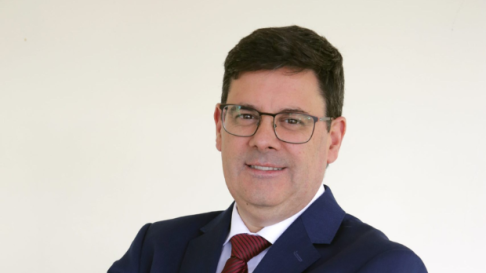
Fitzgerald Cantero
Cantero is Director of Studies, Projects and Information at OLACDE, the intergovernmental energy organization made up of 27 member countries across Latin America and the Caribbean. In this role, he oversees the development of technical reports, energy outlooks and decision-support tools that help governments plan and implement their energy policies. He has 20 years of experience in Uruguay’s public sector, where he led the National Energy Directorate and served as President of the Electricity Market Administration.
"Latin America has a major opportunity in an increasingly tense and uncertain world. We have natural resources, energy potential, productive capacity, and people."
"Historically, we have been exporters of raw materials and importers of manufactured goods. Today, we have the opportunity to think differently and plan 20, 30, or 40 years ahead."