Q&A with Ballenoil: "We plan to open 90 stations in 3 years"
We speak to Laura Pinto, Director of Communications at Ballenoil, about the Spanish company’s recent growth, its network expansion plans and how they are dealing with the current energy crisis in the European Union.

More than a decade after switching from car wash operator to service station brand, Ballenoil has consolidated its position as one of the most prominent players in the Spanish market. Its service station network currently consists of a total of 177 sites with a growth projection that involves the opening of 90 new stations over the next three years. PetrolPlaza talks to Laura Pinto, Director of Communications, to discuss the growth opportunities for the company and how they are facing the challenges that have emerged from Europe’s energy crisis.
After almost 12 years of your transition from just car wash to a complete service station business, how does the company reflect of this process?
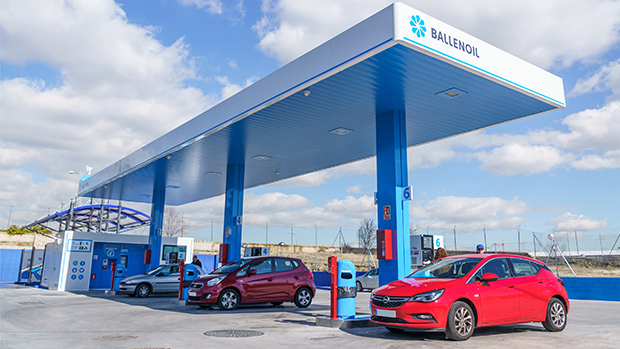
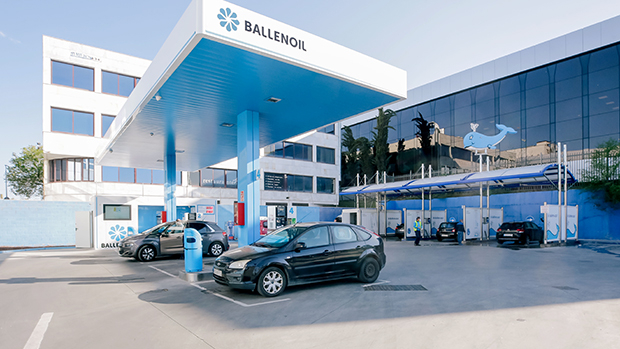
After our first station in 2010, Ballenoil has had a continued growth, trying to reach areas where there was hardly any competition in the fuel retail sector. We were the first to bring to Spain a model that was very widespread in Europe, unmanned service stations.
Soon the efficiency of this model, together with a speedy and quality service, pushed us to design a strategic expansion plan to reach all regions of Spain. After 12 years operating in this market, we can say that we are present in almost all regions with a network of more than 177 service stations, surpassing other traditional operators.
What is your vision for the market with the current energy supply crisis in Europe?
Given the context of the energy crisis in which we find ourselves, with an inflation unseen for decades, we believe that our stations have a very relevant role to play in the coming years. Due to the efficiency of our model, we can adjust costs and offer quality fuels at a lower price than the large players.
According to a report published by the Spanish Consumers and Users Organisation last year, the unmanned fuel station business in Spain registered a significant increase in sales. How does Ballenoil see a market where low prices have become so important?
The current situation of rising prices, not only in fuel but in general, has led customers to turn to the cheapest possible stations to make their daily lives easier. Despite maintaining a constant progression in the number of fuel ups, we have noticed an increase in the analytics. We see that more customers are coming to our stations due to the current situation.
Everything suggests that prices will continue to rise over the next few months, so at Ballenoil we have decided to adjust costs as much as possible to try to recue the impact on the consumer. In addition, from the marketing department we are working to help our most loyal customers through our Ballenoil Easy Fuel app.
How do medium-sized fuel retailers fit in the current Spanish market?
The fuel retail sector in Spain was a market controlled by a few companies until 2010 when we started operating. Since then, the sector has opened and every day brands like Ballenoil are gaining market share. This growth is linked to the fact that consumers find value in our stations based on their experience.
How do you plan to open 90 stations over the next three years?
The plan we have set for the next three years is based on the need for many consumers to have more options apart from the traditional brands. This demand has accelerated our expansion plan to reach all these people. In addition, we continue to work on improving customer service and enhancing our products and services.
How has your unmanned station model evolved over the years, and what new features have you implemented recently?
We have staff at the service stations. We work to optimise our resources to the maximum so that customers leave the station with a good feeling and want to come back to refuel with us.
At Ballenoil we consider ourselves to be a technological, disruptive company that adapts to the demands of our customers, which is why we are committed to innovation in all areas. The result of this has been 'Ballenoil Easy Fuel', the first app developed to pay through the mobile phone; 'DNI & GO', a new payment system through the National Identity Card, where no notes, no cash, no mobile phone, no Internet connection is needed, everything is done directly at the pump in a comfortable and easy way.
As we like innovation, we wanted to incorporate a third extra additive product. In 2018, Ballenoil added Diesel Excellent Plus, which is added directly at the pump, making us pioneers in the market with this system. In addition to the services available in Ballenoil, this year a new system has been incorporated to improve the management of incidents that may occur at stations.
With the current transition of service stations becoming mobility centres, what other opportunities do you see for growth?
Our stations are located at strategic points in the cities. We believe that our stations will accompany the consumer in the transition of the sector. We have partnered with major companies that are committed to electric mobility, such as Endesa and Iberdrola, and you can find electric charging points at many Ballenoil stations.
What are the challenges for the future growth of Ballenoil?
The main challenge we face in the short term is the excessive increase in prices, and we have a great team working and analysing the situation in order to keep costs down and not pass them on to our customers.
On the other hand, we believe that there is still a long way to go for the business of selling traditional fuels, but we are prepared to adapt as the ecosystem changes.