Rebuilt from the ground up: S. Bravo Systems is back, and stronger than before
Ad
In December 2024 a fire destroyed the Los Angeles headquarters and factory of the company that pioneered secondary containment. One year later, Bravo was back in production in a new California plant. This is how Paola Bravo and her team did it.
The night of December 14
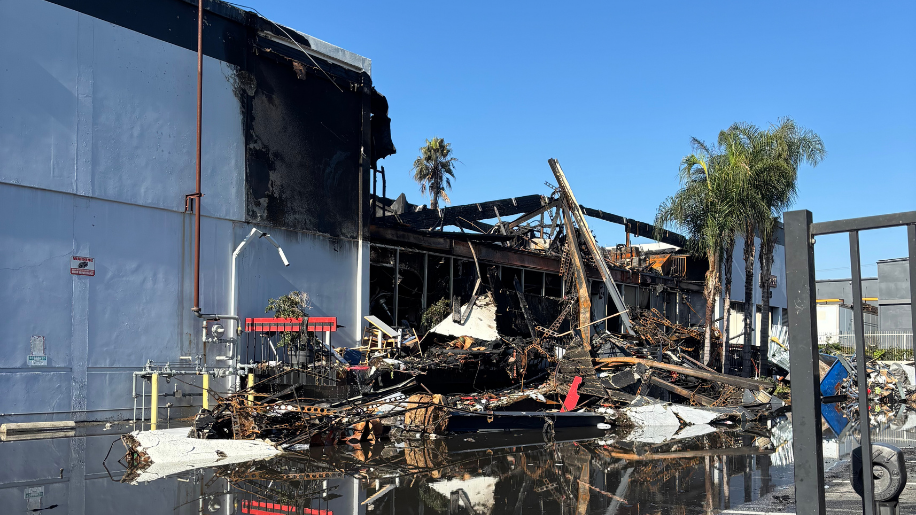
It was a Saturday night, a little before 10 p.m., when the fire started. By the time the first engines reached S. Bravo Systems’ headquarters and manufacturing plant on Vail Avenue in Commerce, in Los Angeles County, flames were already coming through the roof. More than 200 firefighters responded, and it took them close to four hours to bring the blaze under control. Nobody was inside the building. Nobody was hurt.
By morning, the site that had been Bravo’s home for more than two decades was a total loss. “This past December our headquarters in Los Angeles burned to the ground,” Paola Bravo, the company’s President and CEO, would tell partners. Gone with the building were the tooling, the inventory and something harder to replace: a line of new products, still in the experimental stage, that the company had been preparing to unveil at the industry’s shows.
“Build what sells now”
The first hours were about the people and the neighborhood. The company committed to working with the local authorities, and the fire department confirmed there was no toxic-smoke risk to the surrounding businesses. Within a day, the plan was set: production would run out of Bravo’s second plant in Lexington, Tennessee, which overnight had become its only one. Customers kept getting product.
Then came the harder call. Rather than try to rebuild everything at once, Paola put the experimental line and the year’s trade-show program on hold and gave the company a single objective.
“My focus is to build what sells now.”
It was a decision about survival first. But it also set the tone for the year that followed: rebuild the core, protect the customer, and do not let a fire decide the company’s future.
A year of rebuilding
The rebuilding started almost immediately. The fire happened on December 14. Just four days later, on December 18, Bravo signed the lease on a new California home at 1625 South Greenwood Avenue in Montebello, only a few miles from the site it had lost. The speed of that decision reflected the urgency that would define the months ahead: there was no waiting around to decide what came next. The team was already rebuilding.
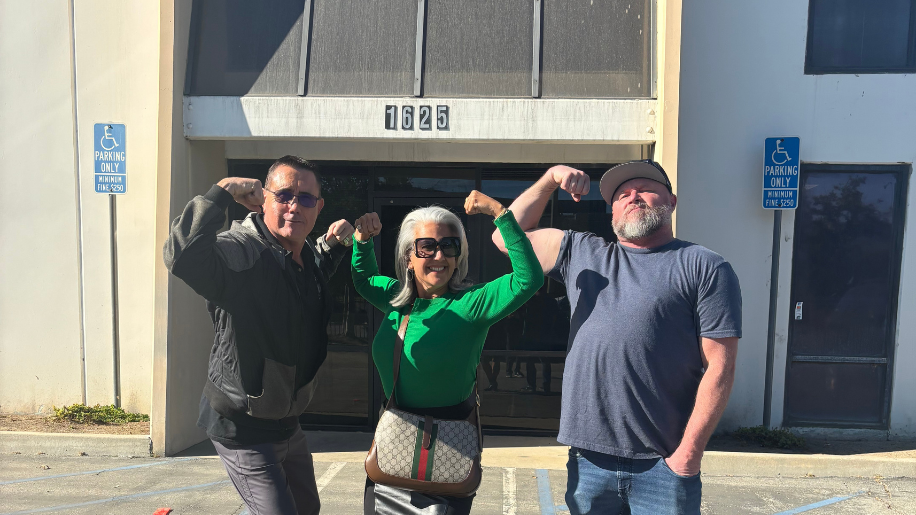
What followed was twelve months of rebuilding from the ground up. The new Montebello building had to be turned into a production facility: new lines, new tooling, and eventually the team back under one roof. By January 2026 the factory was rebuilt, production had been ramped up and the company was, in Paola’s own words, “more fired up than ever.”
The months since have been about proving it. This spring Bravo was shipping its 42-inch Titan Manways within three weeks, in an industry where lead times can stretch into months. The entire product catalog is now compliant with the Build America, Buy America Act, which simplifies specification on federally funded projects. And in May the company launched a new website to match the new plant.
Rebuilt together
Bravo has been woman-owned and woman-led since 2014, when Paola Bravo took over from her father, Sergio Bravo, and became the first woman to own and run a secondary containment manufacturer in the United States. It is also unmistakably a family business. Paola works alongside her older sister, Alejandra Bravo, and the next generation is already part of the company: Sergio Bravo’s granddaughters Lexi Young, Director of Marketing, who chairs the Young Executives Committee of the Petroleum Equipment Institute in 2026; Isabella Recendez in customer service; and Gabriela Recendez in office administration.
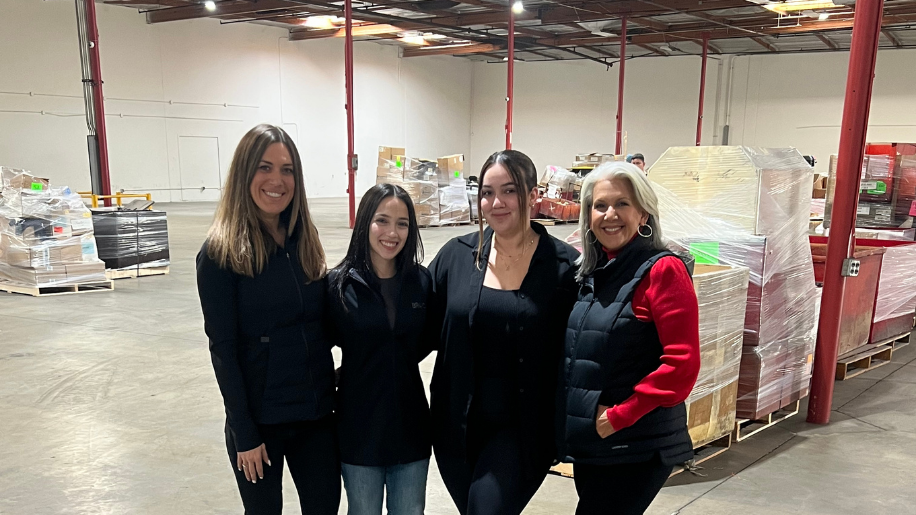
But while the Bravo family is central to the company’s identity, Paola is equally clear that rebuilding S. Bravo Systems was never the accomplishment of one family, one department or one group of people. It took the entire Bravo team.
In the months after the fire, employees across every part of the company stepped beyond the boundaries of their everyday roles. People put in long hours, took on unfamiliar challenges, solved problems as they appeared and did whatever was needed to keep customers supported while a new factory was being built around them. The commitment and loyalty of the team became one of the defining stories of the rebuild.
The company may be family-owned and woman-led, but the response to the fire showed just how far the idea of the “Bravo family” extends beyond a last name. It was a team that stayed together, worked together and rebuilt together.
Where it started
The company Paola rebuilt was her father’s invention. Sergio Bravo left Santiago, Chile, for the United States in 1960 to pursue the American dream. An engineer by instinct and an environmentalist by conviction, he designed the Bravo Box, the first underground secondary containment sump for fuel dispensers, and founded S. Bravo Systems in Los Angeles in 1987. His invention did more than start a company. It started an industry, one that today protects soil and groundwater at fueling sites across the country.
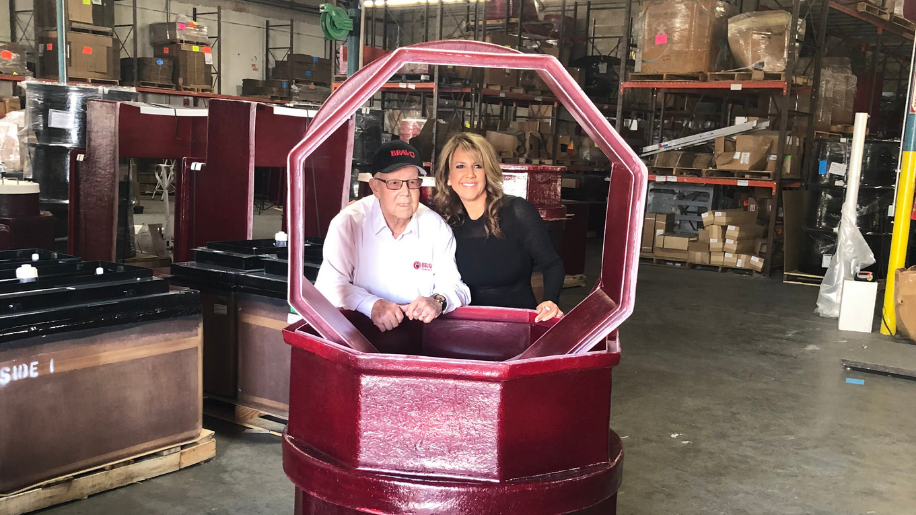
Under Paola’s leadership the company took its products to all 50 states, opened the Tennessee plant and extended the range into EV and alternative-energy infrastructure, including mounting frames for EV chargers. Along the way it was named one of Los Angeles’ most influential family-owned businesses by the Los Angeles Business Journal and earned a place on the Inc. 5000 list of America’s fastest-growing private companies.
Next stop: Las Vegas
Bravo will be at the NACS Show in Las Vegas from October 6 to 9, Booth C7175, with the full range and a team that has a story to tell. Less than two years after the worst night in the company’s history, the tagline on the new website reads like a summary of everything that happened since: family-owned, woman-led, industry trusted.
And, as of this year, rebuilt.