Spain: Repsol A Coruña makes biodiesel from cooking oil
The Spanish firm's refinery sees it as an important step in its plan to decarbonize its facilities by 2050.
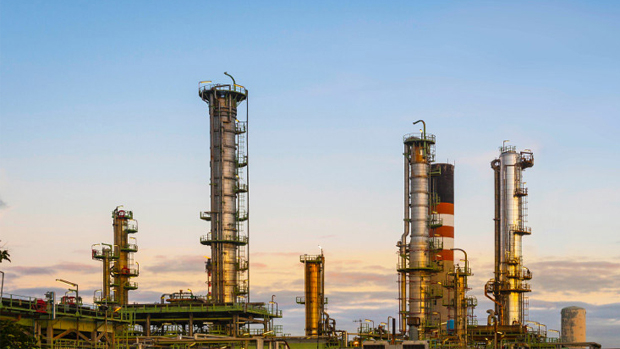
Repsol's refinery in A Coruña was able to process 500 tons of frying oil as a raw material for making hydrobiodiesel. The industrial center was able to produce the first batch of this type of biofuel using waste such as used cooking oil, vegetable oil and other components.
This is an important step for the industrial complex in A Coruña’s mission to lower its carbon footprint. In addition to this development, other projects are also being carried out to develop biogasolines, for which bioethanol is used, and other products, to which fatty acid methyl ester (FAME) is incorporated.
With this development, the company is moving towards the decarbonization of road transport fuels by implementing the waste generated throughout Spain. The manufacture and use of the biofuel means a reduction of up to 90% in CO2 emissions compared to mineral diesel. At the same time, it continues to pursue its goals of becoming a zero net emissions company by 2050, which were presented on October 5.
The Repsol A Coruña plant is in the midst of a transition to a multi-energy center. Likewise, the factory plays an essential role in the company's 2021-2025 Strategic Plan, which not only contemplates the decarbonization of its production bases but also its logistics facilities, whose management of new products and raw material traffic will help develop the A Coruña Green Port as a hub for renewable energies.