Sustainable mobility in Latin America requires smart infrastructure, digitalization and more efficient fuel management
Ad
The modernization of service stations and energy distribution infrastructure is a key element in advancing more sustainable mobility across Latin America. Monitoring technologies, automation and data management contribute to greater operational efficiency, stronger environmental management and improved regulatory compliance processes.
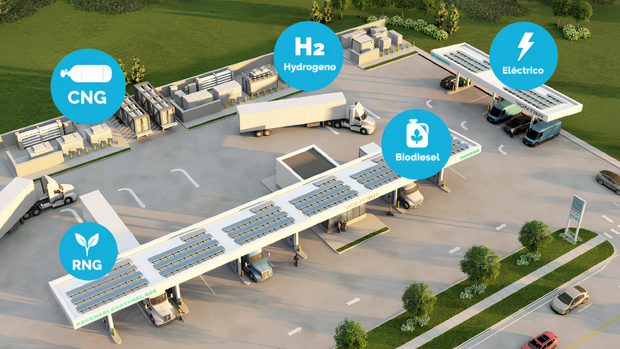
For Gilbarco Veeder-Root, a global leader in fuel management, payment and automation solutions for service stations, fleet management and EV charging infrastructure, accelerating the transition toward more sustainable mobility in Latin America must go beyond simply adopting alternative fuels, electrifying transportation and reducing emissions. To achieve long-term environmental and energy goals, governments and companies across the region must also prioritize the development of modern infrastructure and the adoption of advanced technologies as critical enablers of this transformation.
“Mobility sustainability requires a holistic vision. The energy transition is fundamental, but so is having modern infrastructure, efficient processes and technologies that optimize resources, strengthen operational safety and reduce environmental risks throughout the fuel supply chain,” said Ariel Dovek, Regional Director for Latin America at Gilbarco Veeder-Root.
According to international organizations such as the Latin American Energy Organization (OLADE), transportation in Latin America continues to rely heavily on fossil fuels. As a result, improving the sustainability of fuel storage, distribution and dispensing infrastructure remains both a priority and a challenge for countries throughout the region.
“In markets such as Mexico, Argentina, Chile, Colombia and Peru, to name just a few, liquid fuels will continue to play a significant role in passenger mobility, freight transportation and productive activities for years to come. Strengthening the sustainability of fuel storage, distribution and dispensing operations therefore represents not only a challenge, but also a major opportunity to reduce environmental impacts, optimize resources and improve the efficiency of the entire energy supply chain across the region,” Dovek added.
According to the Gilbarco executive, Latin America faces common challenges related to infrastructure modernization, the adoption of digital tools, the enhancement of monitoring systems and compliance with increasingly demanding regulatory, technical and environmental requirements. These challenges are compounded by the need to prevent operational losses, improve traceability and generate reliable information that supports more effective decision-making.
In contrast, many markets in Europe, North America and Asia have already widely adopted automated monitoring technologies, remote asset management and data analytics as standard operational best practices. However, Latin America has a significant opportunity to accelerate adoption and leverage internationally proven solutions to strengthen both operational efficiency and environmental performance.
International experience demonstrates that sustainability depends not only on the type of energy being used, but also on how effectively the infrastructure that stores and distributes that energy is managed. Digitalization, real-time monitoring and process automation have become essential tools for improving both the operational and environmental performance of service stations.
New generations of technological solutions enable continuous fuel inventory monitoring, storage system supervision, operational deviation detection and stronger control processes. These capabilities contribute not only to greater efficiency, but also to the prevention of incidents that could pose environmental risks.
Dovek explained that companies such as Gilbarco Veeder-Root have developed solutions specifically designed to support service station operators and energy companies in their modernization and sustainability efforts. These include automatic tank gauging systems and advanced monitoring and early-detection technologies that provide accurate information on inventory levels, fuel volumes, water presence and overall site operating conditions.
These solutions can support operators in meeting regulatory and environmental compliance requirements while facilitating data generation for audits, inspections, maintenance programs and management systems based on international standards and industry best practices.

“The service stations of the future will become increasingly digital, connected and focused on intelligent data management. Technological innovation not only improves operational efficiency but also strengthens the sustainability of operations and prepares organizations to meet the growing regulatory and environmental demands of the market,” Dovek added.
For Gilbarco Veeder-Root, the combination of modern infrastructure, digitalization, intelligent monitoring and continuous improvement represents a significant opportunity for service stations in countries such as Mexico, Argentina, Colombia, Peru and Chile to enhance both operational and environmental performance. As sustainability expectations continue to evolve, the adoption of advanced technologies will play a crucial role in building a more efficient, safer and more sustainable mobility ecosystem for the decades ahead.