Embracing circularity at the station
While sustainability often focuses on resource efficiency and conservation, circular economy goes one step beyond by emphasizing recycling and the continuous reuse of materials to extend their lifespan and minimize waste. We explore how the fuel retail industry is addressing these principles and how it can further amplify its impact by developing a comprehensive circular ecosystem.
Sustainability has become a key driver in the global fuel retail industry in recent years. Beyond the rise of alternative fuels, growing environmental awareness among consumers and the expansion of global sustainability agendas have pushed retailers to reevaluate their operational impact. As decarbonization targets take center stage, the industry is increasingly embracing green initiatives to reduce its carbon footprint and drive long-term change.
This shift has heightened awareness of circular economy’s potential, which focuses on reducing waste, reusing materials, and regenerating resources to create more sustainable systems. Such strategies hold great promise, considering that only 7.2% of used materials are currently cycled back into the economy according to Deloitte’s The Circularity Gap Report 2023. Moreover, adopting this approach could yield a profound social impact, as the International Labour Organization estimates that 24 million jobs worldwide could be created through the transition to a green economy.
The growing role of circularity in fuel retail
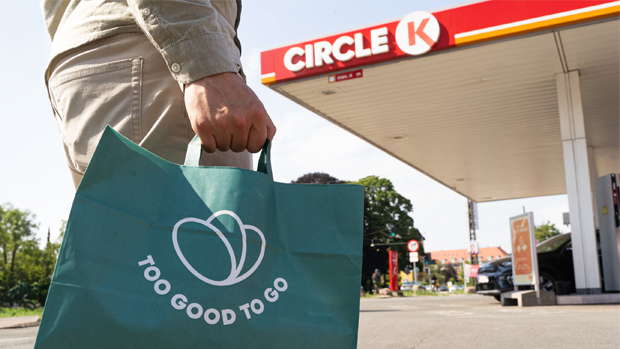
Collaboration is a key driver of sustainability in the sector and the foundation for building a circular ecosystem. Whether it’s for food waste reduction, promoting reusable utensils, unlocking digital receipts or recycling coffee grounds, partnering with the right organizations enables both parties to create synergies that foster virtuous cycles. This model has been replicated throughout the world, serving as a starting point for companies of all sizes to develop their own circular strategies.
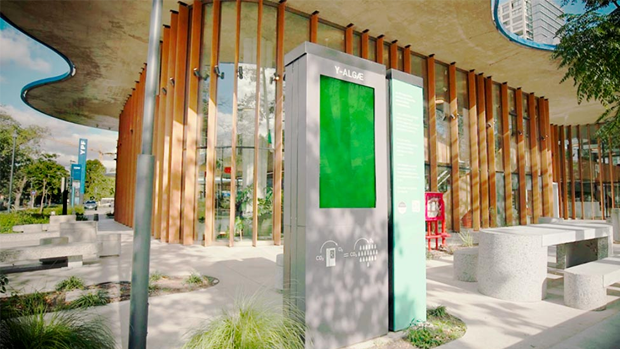
Larger-scale operations bring greater opportunities, allowing leading brands worldwide to take circularity a step further by developing their own solutions rather than relying solely on partnerships. For example, YPF has developed its own Y-Algae solution, a microalgae system that recycles CO₂ into oxygen and biomass. Solar paneling is another trend adopted by leading brands worldwide with the resources to invest in such high-cost solutions, as this strategy often comes with additional expenses, including battery systems and energy storage technology.
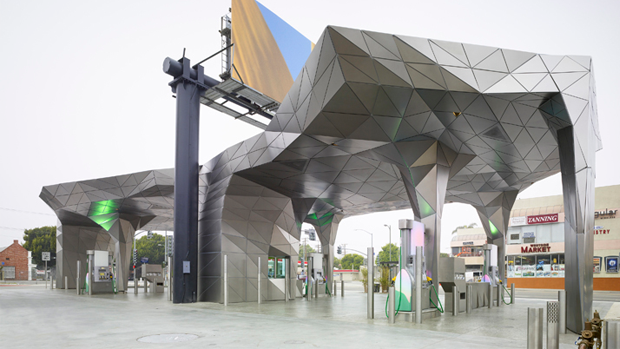
Another effective approach is designing locations that embrace sustainability from the ground up. This concept is particularly prevalent in electric vehicle (EV) charging stations, largely due to their integration of clean energy supply or the use of sustainable construction materials. However, traditional fueling stations can also adopt this concept, as exemplified by Helios House, a bp-branded site in Los Angeles. By combining recycled materials for construction, solar paneling and energy-efficient systems, this refurbished location places circularity at its core.
Despite ongoing progress, circular economy initiatives do not always deliver the desired results across operations. One of the primary challenges is the substantial investment required to develop partnerships or implement state-of-the-art solutions, prioritizing long-term transformation over immediate returns. But not all partnerships are a perfect fit for every retailer or location. Success hinges on effective implementation and customer adoption, both of which can be disrupted by supply chain challenges, as integrating new processes and logistics often introduces unforeseen complexities.
Ultimately, this affects a critical aspect of any circular strategy: tracking and reporting progress. As the ecosystem grows more intricate, monitoring its impact and ensuring transparency become increasingly difficult. This underscores a key reality—an effective circular strategy should not be merely added to existing operations but designed from the ground up.
Creating an effective circular ecosystem
In PwC’s The Rise of Circularity report, the firm outlines six key steps for companies to develop a strategy for implementing circular economy practices. The framework emphasizes identifying opportunities, setting clear goals, and planning the transition. It also highlights the importance of collaboration, continuous progress measurement, and staying ahead of industry shifts to ensure long-term success in circular transformation.
The report’s core message is that building a circular ecosystem requires collective effort rather than isolated action. While retailers drive this transformation, its success also depends on close collaboration with like-minded partners to create value and effectively implement this transition. This, in turn, lays the groundwork for stronger customer engagement, a critical challenge that should be addressed before full implementation.
Engagement is driven by two key factors: understanding and habit formation, as one naturally reinforces the other. Raising awareness depends on how effectively retailers communicate their commitment to sustainability, which is particularly important for reaching audiences beyond eco-conscious consumers. However, habit formation presents a greater challenge, as integrating sustainability into people’s daily routines can create friction.
A recent McKinsey & Company study found that products featuring environmental, social, and governance (ESG) claims saw 28% cumulative growth between 2017 and 2022. Additionally, brands generating more than 50% of their sales from ESG-labeled products experienced higher customer loyalty. This not only reinforces the potential to drive change but also highlights growing consumer support for sustainability. However, the challenge lies in determining the most effective way to integrate circularity across the customer base. This is why a deep understanding of consumer behavior is essential for identifying the right strategies and implementations in different locations.
When a significant portion of customers are already familiar with a practice such as waste separation, introducing similar initiatives becomes much more seamless. Consumer adoption of these goes hand in hand with the broader adoption of circular approaches across the industry. Just as the circular economy transforms each element of the value chain to enhance sustainability, more industry players will drive change by creating virtuous cycles, fostering an increasingly greener and more competitive ecosystem.
Written by Gonzalo Solanot