H2 MOBILITY: Preparing Germany for the arrival of fuel cell vehicles
The German joint venture plans to reach 100 hydrogen stations by next year as they prepare for passenger fuel cell vehicles, buses and trucks to start hitting German roads.
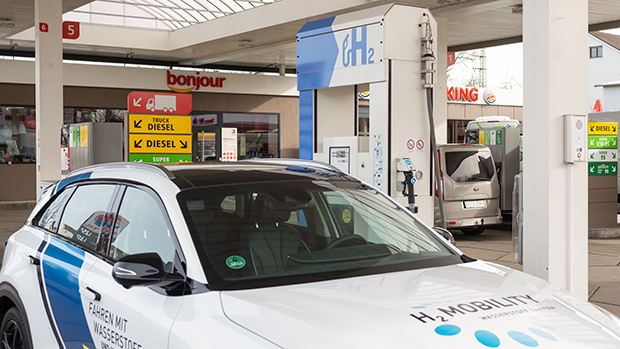
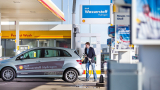
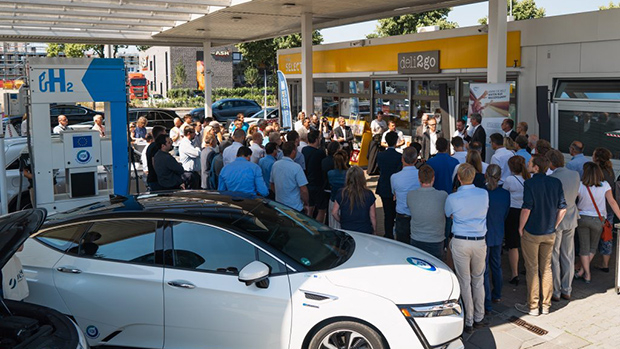
In the chicken-and-egg debate around how to boost fuel cell vehicles and hydrogen fuelling, a German joint venture decided to make the first move and set up a nationwide network of hydrogen stations. H2 MOBILITY now has 87 active stations fuelling FCVs in Germany, in addition to five OMV sites they service in Austria.
To tackle the colossal task of setting up a 100-station strong network in Germany, industry leaders Air Liquide, Daimler, Linde, OMV, Shell and TOTAL decided to join forces in 2014 founding H2 MOBILITY Deutschland GmbH & Co. KG.
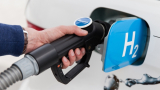
At all stations, mostly integrated into existing Shell, Total and OMV sites, hydrogen cars can refuel with 700 bar and a minimum requirement of 5 to 8KG. The price is €9.26 per kilo under the current tax system. Additionally, six stations allow light and medium commercial vehicles like buses to fuel at 350 bar. The stations are spread across seven German metropolitan areas (Hamburg, Berlin, Rhine-Ruhr, Frankfurt, Nuremberg, Stuttgart and Munich), and along the connecting roads and motorways.
In 2019, they dispensed 100 tonnes of hydrogen. This year they will sell around 120 tonnes due to the effects of lockdown. The global pandemic also slowed down their roll out – they will now wait until 2021 to reach the 100-station mark.
“We saw a huge drop in hydrogen consumption (during the lockdown) as most vehicles that use it belong to fleets,” explains Falk Schulte-Wintrop, Strategic Business Development at H2 MOBILITY.
Despite being integrated in existing petrol stations, H2 MOBILITY has its own fuel card and mobile payment app (H2.LIVE). Users can pay directly at the hydrogen dispenser. A goal for the company is to become a service provider and a payment network for future hydrogen stations across Europe.
The initial focus of the joint venture was fuelling passenger vehicles. With the growing interest in hydrogen for medium- and heavy-duty vehicles (a European coalition recently committed to the deployment of 100,000 FCH trucks in Europe by 2030), H2 Mobility is adapting to the times.
“We want to expand our network to fuel other forms of transport such as trucks. We see developments and we try to react to them. There is a huge push in the direction of trucks. It is still not clear what technology they will use (350, 500, 700 bar, or liquid hydrogen). We are focusing on 350 bar as this technology will be used over the next decade,” explains Falk.
With fuel cell electric trucks, the benefit for retailers is the ability to plan demand. They can fuel 60 to 80KG, providing station operators the opportunity to plan supply. For buses, fleets and trucks, hydrogen offers similar driving range and refuelling time as diesel and petrol.
A challenge continues to be the number of FCVs on the road. Compared to California (8,740) and Japan (3,800), two leading regions, Germany only has around 1,000 FCVs. They expect that number to double by next year, and to reach 30,000 by 2025.
Bill Elrick, from the California Fuel Cell Partnership, said on PetrolPlaza Talks: Hydrogen Fueling, that having the infrastructure is the key factor to boost FCVs. With H2 Mobility’s stations having the capacity to fuel 40,000 hydrogen vehicles, they are en route to doing that.
Falk says there are many lessons learned during these five years. Every station represented an improvement in technology. He has one recommendation for retailers out there: “Build infrastructure tailored to the needs of the area. Work together with fleet operators, have a solid demand concept that helps with the planning, and create an ecosystem in the area.”