
Loyalty programs have hit a plateau, new research finds
Only 49% of fuel and convenience members use their programs regularly, according to a report by Upside.
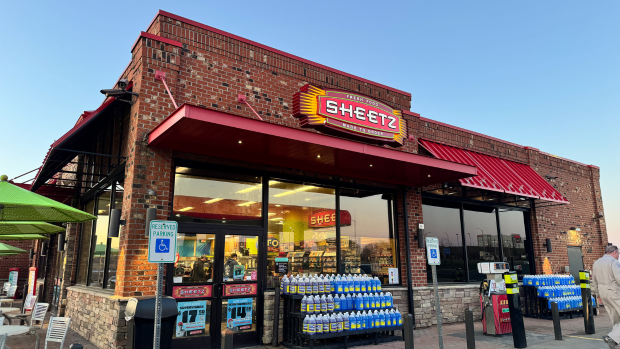
Fuel and convenience retailers investing heavily in loyalty programs may be seeing diminishing returns, according to a report from Upside, based on a survey of more than 3,400 US consumers. While 86% of shoppers say loyalty rewards matter to them, actual regular usage tells a different story: only 49% of fuel and convenience members use their programs regularly, a 37-point gap between stated importance and real engagement.
The report attributes this to what it calls the "loyalty plateau,” a stage where sign-ups keep climbing but bottom-line impact stalls, because most programs in a given category have become structurally interchangeable. The average fuel and convenience loyalty member now belongs to 2.3 other programs in the same category, up 26% since 2023, diluting the influence of any single brand's offering.
"I regularly compare prices before purchasing from gas stations or convenience stores," is a sentiment Upside found common among the largest consumer segment it identified: "preference-first" shoppers, who make up 56% of the fuel and convenience population. These consumers have brand favorites but remain highly price-sensitive, switching readily for better value, a sharp contrast to the smaller "brand-first" segment retailers often assume they're targeting.
Fuel and convenience programs scored 42.8 out of 100 on Upside's loyalty influence index, showing moderate success at driving repeat visits but little effect on basket size or overall spend. The report argues retailers seeking to break out of the plateau should focus less on the already-loyal and more on winning over this persuadable middle: through deeper personalization, new digital engagement channels, or partnerships with third-party marketplaces that extend reach beyond owned apps.
Reaching the next stage of loyalty maturity, which Upside terms "differentiated value," typically demands resources on the scale of Starbucks or Nike, whose programs combine AI-driven personalization with exclusive member experiences. For retailers unable to match that investment, the report points to marketplace partnerships as an alternative route to differentiation: its own transaction data across nearly 5.6 million customers found that shoppers using both a retailer's loyalty program and a marketplace platform showed month-one churn rates more than 30 percentage points lower than non-members, suggesting combined approaches can meaningfully extend the shelf life of a plateaued programme.