MOL Group's Digital Factory puts technology at the heart of its strategy
Máté Tilk, Head of Group Digital Engineering at Digital Factory, discusses how they are using tools like AI and machine learning to reshape operations and customer experience.
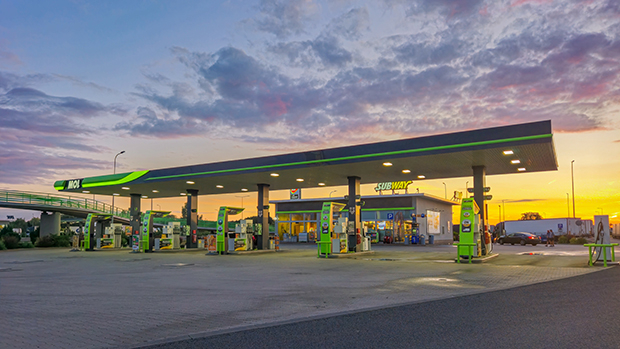
At the heart of MOL Group’s digital transformation lies the Digital Factory, a cross-functional unit where data science, AI, engineering, and product teams work in tandem to reinvent how the company engages with customers and runs its retail operations. With over 2,400 service stations in 10 countries, MOL processes approximately 500 million transactions annually and serves up 110 million cups of coffee and hot dogs, a scale that demands both digital sophistication and operational agility.
MOL’s ambition is clear: to become a digitally-driven consumer goods retailer and integrated mobility service provider. This transformation hinges on a multi-legged AI strategy – investing in foundational infrastructure, scaling business intelligence, and selectively deploying advanced analytics.
With more than 5 million mobile app users, MOL is turning to AI not just to make smarter decisions, but to scale personalization and drive customer loyalty in a competitive landscape.
"Our Digital Factory is mostly focused on customer relationships. Where we’re really stepping into the AI game is in enhancing customer experience. The main goal is to achieve hyper-personalization and provide the best, most relevant offers to our customers." says Máté Tilk, Head of Group Digital Engineering at MOL Group’s Digital Factory.
Cutting-edge loyalty with hyper-personalization at its core
This transformation is exemplified by the MOL Move loyalty program, a digital ecosystem currently deployed in eight countries. It’s a cornerstone of the company's personalization strategy. Behind it sits a centralized technology stack that enables real-time personalization across borders.
For loyalty users, MOL employs AI-powered tools to move beyond traditional marketing segmentation. Instead of serving broad customer buckets, they now focus on micro-segments of a few hundred users. Machine learning helps define personas and deliver curated offers to each. Generative AI platforms, developed in partnership with IBM, assist in producing the actual marketing content, which is then integrated into Salesforce, where they run one of the largest implementations of its kind in the Central European region.
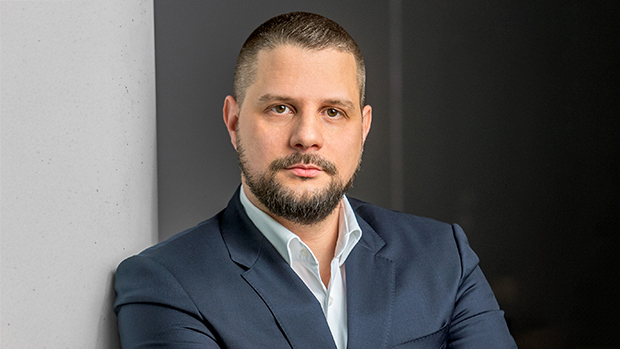
“From a retailer perspective, we're guided by strategic KPIs—like reducing churn in the loyalty program or increasing product consumption,” says Tilk. The company’s “hero products,” like hot dogs and coffee, are central to these initiatives. Customers are categorized into low, medium, high, or VIP user groups based on purchasing behavior.
Timing and delivery channels are also optimized. Push notifications, SMS, WhatsApp messages, emails, and even cashier prompts are coordinated to match each user’s behavior and preferred interaction platform. Offers need to be both relevant and timely to cut through the noise.
“Our vision is to make the experience so relevant that customers feel like the system understands them. From the customer's side, the benefit is a curated experience. No more irrelevant spam; just meaningful, timely offers that match their preferences and history,” according to him.
MOL’s loyalty ecosystem takes things further with gamified experiences. Digital scratch cards, prize-winning games, and features like the Fortune Wheel have all been introduced. Soon, a digital slot machine will join the lineup. Customers can earn badges (like Hot Dog King or Sandwich King) engaging with these offers.
Customer consent, particularly under GDPR, is a crucial part of making this work. The Hungarian energy player has developed strategies to encourage opt-ins through user experience design and transparent value exchange.
"It’s particularly interesting in Europe, where we must meet GDPR requirements. But with the right business logic and user experience, customers will give consent for personalized services,” he notes.
A house insurance promotion embedded within the loyalty app demonstrated this well: users not only opted in to receive the offer, but many also agreed to personalized communications.
It’s not just about loyalty
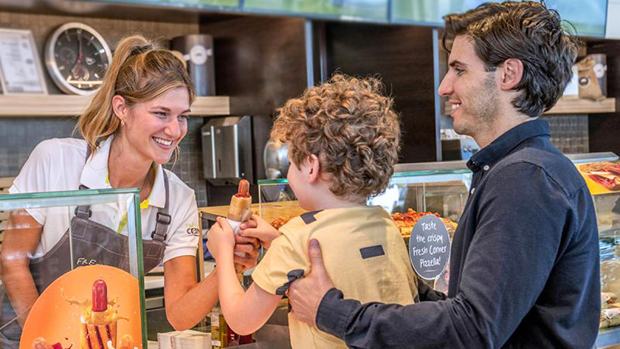
But AI at MOL isn’t just about marketing. One of the company’s first practical applications was a hot dog production planner, which uses machine learning to forecast food consumption in two-hour intervals at the service station level. The result: significantly less waste and smarter inventory planning. This same technology is now being applied to other food categories, like sandwiches.
The company has also embraced AI internally. As a Microsoft enterprise partner, MOL is deploying tools like Copilot to support its product teams. One such AI agent helps define user stories and upload them into Atlassian tools, streamlining development workflows across teams.
“These tools are quickly becoming must-haves. We’re also exploring AI support for engineering, Salesforce developers, and mobile teams. Those not adapting will fall behind,” says Tilk.
AI is not a magic wand
Tilk acknowledges the hype surrounding AI. "It’s a double-edged sword. At professional conferences, it’s all 'AI, AI, AI.' But I’ve yet to see many truly game-changing implementations that make me say 'Wow!'"
While he believes in AI’s potential, he warns against overreliance. “You need a business-oriented vision. AI is just a tool - you must learn how to leverage it effectively. And yes, there are still limitations. In most cases, a human-in-the-loop is necessary for validation.”
That’s especially true in multilingual environments. When MOL used GenAI to create marketing communications, results in English were impressive but Hungarian and other Central European language outputs didn’t always hit the mark. With results being “hilarious” in some cases.
As MOL Group continues building its intelligent infrastructure, its Digital Factory is not just chasing the latest trend - it’s creating a thoughtful, scalable framework for customer engagement in the AI era. With a clear roadmap, strategic partnerships, and a commitment to personalization, MOL is setting a new benchmark for digital transformation in the fuel and mobility retail sector.