NACS CSA 2025: Tokyo’s c-store excellence takes center stage
The latest edition of the event gathered convenience and fuel executives to explore the cutting edge of convenience retailing in the region.
The 2025 NACS Convenience Summit Asia once again delivered an insightful experience, bringing together convenience and fuel executives to explore the cutting edge of convenience retailing in the region. Held in Tokyo (Japan), the event provided a unique blend of thought leadership, market insights, hands-on learning through store tours, and an awards ceremony recognizing excellence in the industry.
The amazing city of Tokyo provided the perfect backdrop for the event. According to data released by the Japan Franchise Association this month, 2024 closed with 55,736 convenience stores in Japan. Last year saw annual sales from the country’s seven main franchises reach a record high of ¥11.8 trillion ($78.7bn).
“I think we have the largest event we've ever done in Asia and that is probably because Tokyo is such a vibrant market. We have seen multiple supermarket formats, coffee shops, convenience stores, really the whole range to get a feeling for how different players in the market compete on fresh food. And I guess the biggest thing we learned here in Tokyo, it's all about efficiency, process, and optimizing fresh food,” explained Mark Wohltmann, Director of NACS Global.
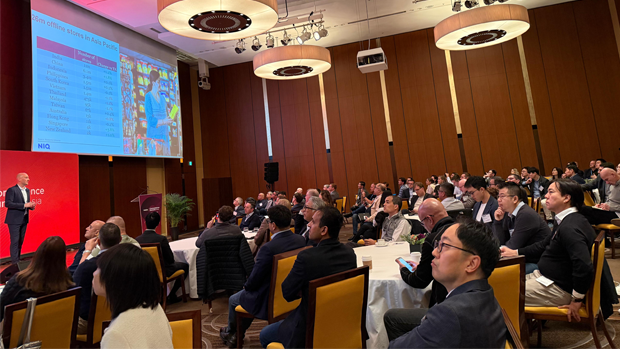
The conference program set the stage with compelling discussions on market trends, technological advancements, and evolving consumer behaviors. Eelco Modderman from NielsenIQ kicked off the day with an in-depth analysis of Asia's retail landscape, outlining emerging consumer preferences and their implications for the convenience sector. The session led into a series of expert panels covering a wide range of topics, from smart store innovations and digital transformation to the impact of demographic shifts on retail strategies. A highlight was Henry Armour’s presentation on global strategic issues, providing a macro perspective on the evolving fuel and convenience landscape.

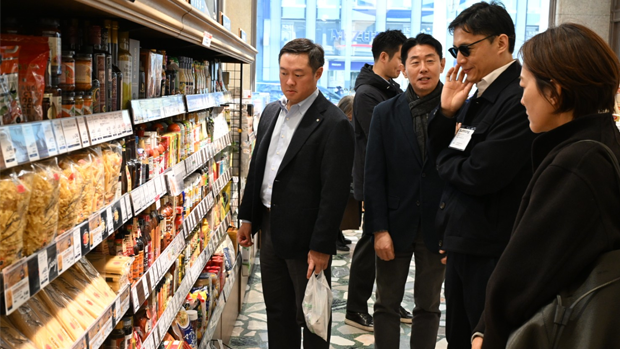
The Ideas 2 Go store tours allowed participants to witness firsthand the innovations driving convenience retail in Tokyo. From FamilyMart’s in-store food preparation and unmanned store concepts to 7-Eleven’s extensive private label range, the tours showcased the region’s advancements in automation, product assortment, and customer engagement. The introduction of overhead fuel pumps in urban areas and robotic security patrols in high-end districts further underscored the seamless integration of technology into everyday retail operations.
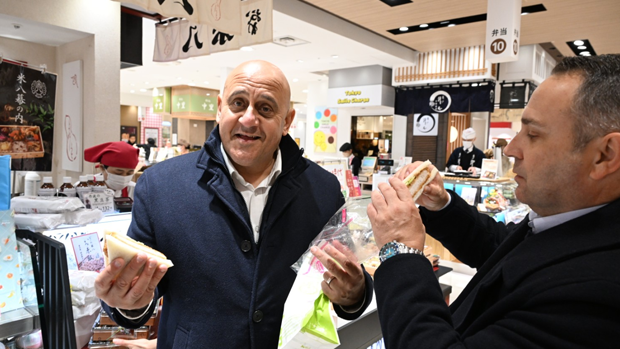
A key takeaway from the store visits was the emphasis on high-quality fresh food, which has become a defining feature of Japanese convenience stores. Participants sampled a variety of fresh and ready-to-eat offerings, including onigiri, fried chicken, and bento boxes, gaining a deeper understanding of how these products drive customer loyalty and differentiation in the market. Discussions during the debrief sessions allowed attendees to exchange observations and draw insights relevant to their own markets.
“For me, the standout was the quality of the supermarket. The range and freshness in terms of the produce. The other thing is that the Japanese don't like made-to-order. They like ready-made meals because they don't like to make a choice there and then. They like to shop with their eyes,” explained Brian Donladson, CEO of Ireland’s The Maxol Group.
The summit also addressed the growing importance of electric vehicle infrastructure in convenience retail. Eddison Lee from Oliver Wyman explored strategies for winning over EV drivers, emphasizing the need for differentiated offerings to stay ahead in a competitive landscape. With supermarkets, automakers, and utilities entering the EV charging space, convenience retailers must innovate beyond basic charging services, integrating amenities, pricing strategies, and customer experiences tailored to EV owners.
Valora Group’s Michael Mueller shared insights into the future of foodvenience and how convenience retail is adapting to evolving consumer expectations for fresh and healthy food options. The role of artificial intelligence in fuels and convenience was also explored in depth, with Brian Gray of Accenture highlighting real-world applications of AI in optimizing retail operations and enhancing customer engagement.
The awards ceremony celebrated outstanding achievements in the industry, recognizing innovation, sustainability, and leadership. Tops Daily Laguna Village in Thailand was named NACS Convenience Retailer of the Year Asia-Pacific for its hybrid store model that integrates a wine cellar concept with a traditional convenience store, boosting sales and redefining the shopping experience. GS25, South Korea’s leading convenience store chain, received the Convenience Retail Technology Award for its AI-driven GS25 DX Lab store, while China’s uSmile was honored with the Sustainability Award for its ambitious carbon neutrality initiatives and expansion of alternative energy infrastructure.
“Industry progress is not only driven by innovative companies, but by the energies, determination and inspiration of the individuals who lead them,” said NACS President and CEO Henry Armour.
U-Ming Tan, co-chief executive officer and executive director of 7-Eleven Malaysia Holdings Bhd., was named the 2025 recipient of the NACS Convenience Industry Leader Asia-Pacific Award
The 2025 edition of the NACS Convenience Summit Asia equipped attendees with the knowledge and connections needed to navigate the evolving landscape of convenience retail in Asia and beyond.