OMV unveils 2030 strategy
OMV aims to become a leading, integrated sustainable fuels, chemicals and materials company with a strong focus on circular economy solutions.
International oil and gas company OMV headquartered in Vienna, Austria, has presented Strategy 2030. The firm has set out to transform itself into a sustainable fuels, chemicals, and materials company with a strong focus on circular economy solutions.
Based on this new strategy, OMV aims to become a net-zero emissions company by no later than 2050. The business segment Chemicals & Materials will be the growth engine of the company. It is to be substantially strengthened and diversified, with the aim to establish a globally leading position in circular economy solutions.
The Refining & Marketing business is to become a leading European provider of sustainable fuels, feedstock, and mobility solutions. In line with the ambition to become a net-zero company, OMV will reduce its oil and gas production by around 20% by 2030 and will completely cease oil and gas production for energy use by 2050. At the same time Exploration & Production business segment will invest in geothermal energy and carbon capture and storage (CCS) leveraging existing assets and capabilities and contribute to a more sustainable society.
"If we want to maintain and expand living standards around the world while ensuring the survival of our society, we must move to a more sustainable way of doing business. For this reason, OMV will re-invent essentials for sustainable living,” said Alfred Stern, OMV CEO and Chairman of the Executive Board.
Refining & Marketing: Focus on sustainable fuels, feedstock, and leading mobility offer
In Refining, OMV strives to become a leading producer of sustainable fuels and chemical feedstock in Europe. Fossil fuel throughput will decline in line with changing demand patterns, while integration with the Chemicals & Materials business segment will be driven forward and deepened.
The company will optimize its integrated refineries in Schwechat and Burghausen to maximize high-quality fossil resources and raise the share of sustainable feedstock. The three European refineries in Austria, Germany, and Romania will continue to be run as one integrated system, optimizing plant utilization, and maximizing margins.
Production of sustainable fuels and chemical feedstock will be increased to 1.5 million metric tons per year by 2030, with sustainable aviation fuels accounting for almost half of the volumes.
“OMV is turning away from fossil feedstock to become a leading, innovative producer of sustainable fuels and chemical feedstock in Europe. This will drive and deepen the integration with our Chemicals & Materials business,” Martijn van Koten, Member of the Executive Board responsible for Refining.
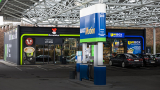
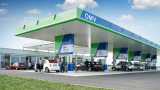
In retailer, the Austrian retailer intents to grow profitability and further develop existing market potential through significant growth in the non-fuel business sector. The retail segment will be resilient but increasingly shift from fuel to e-vehicle charging, hydrogen, and convenience. A portfolio of sustainable premium fuels based on biofuels and synthetic fuels will compensate for the decline in fossil fuels. OMV intends to increase the margin contribution of the retail non-fuel business by around 30% by 2030.
OMV operates about 2,100 filling stations in ten European countries and runs gas storage facilities in Austria and Germany.