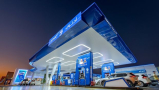
ReFuel Forum MENA captures a sector moving beyond the pump
The event brought together retailers, suppliers and policymakers to examine how technology, regulation and shifting consumer habits are rapidly reshaping fuel retail across the Gulf.
Refuel Forum MENA brought together fuel retailers, suppliers and policymakers for two days of discussion on the shifting energy and convenience‑retail landscape across the Gulf. With a programme led by Conference Chairman Zaid Alqufaidi (ENOC), the event combined site visits, strategic panels and technology showcases, offering a snapshot of a sector accelerating toward diversification and modernisation.
“ENOC has taken a giant leap compared to the other distributors in the region. We have moved to the next generation focused on the customer journey,” said Alqufaidi.
The forum opened with perspectives from Rameez Khalid (ADNOC KSA), Khawaja Fakhar Hasan (Tamkeen), Ahmed Khalil (Cashin) and Abdulaziz Al Barrak (Orange Retail), who examined Saudi Arabia’s fuel market, one of the region’s fastest‑evolving. Themes centred on regulation, network consolidation and the opportunities for new entrants as operators compete on service quality rather than scale.
“There’s a huge opportunity for all kinds of suppliers to come in and play a massive role in Saudi Arabia. Petromin is redefining itself as a multi-energy company,” said Usman Sharif, Non Fuel Retail Director of Petromin.
Artificial intelligence featured prominently. Speakers including Ali Abdulla Hasan Alsadadi (Ministry of Oil & Environment Bahrain) and Guy Bickerstaffe (PriceEasy) explored how data is reshaping pricing and retail operations. Bickerstaffe noted that the Middle East’s retail model is moving toward “a quality convenience offer”, adding that AI‑enabled tools help retailers better understand customer behaviour and competitive dynamics.
Sustainability also took centre stage, with Alia Busamra (ENOC), Usman Sharif (Petromin) and Shibu Raj Lekshmanan (FuelTrans) discussing the policy and infrastructure shifts now influencing investment decisions. Sharif observed that ongoing reforms in Saudi Arabia are creating space for suppliers “around sustainability, automation and digitisation”, as operators reposition themselves for a multi‑energy future.
One of the most forward‑looking conversations focused on the rise of “foodvenience”. Reflecting on findings presented by Amgad Elhanbaly, attendees noted that customers are no longer visiting service stations solely for fuel but for experiences that “fit their moment” – fresh food, consistent service and seamless payment.
Across the agenda, a clear message emerged: fuel retail in the Middle East is moving far beyond the pump, driven by technology, regulation and evolving consumer habits.