
U.S. e-mobility faces a defining year
Despite early optimism for a breakout year, 2025 is now shaped by funding setbacks, new tariffs, and regulatory friction that cloud expectations for e-mobility in the country. We unpack what this means for the sector and how CPOs are adapting to stay ahead in the charging game.
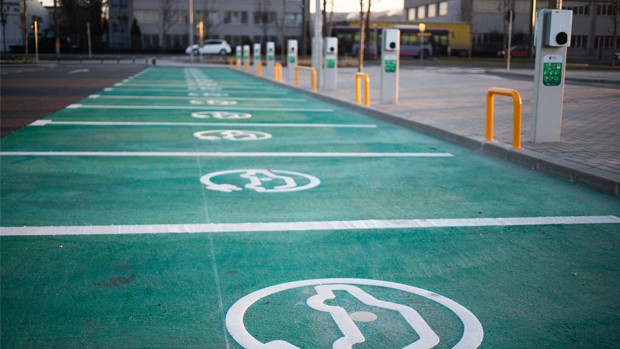
Electric vehicle (EV) adoption in the United States is gaining momentum, but it’s unfolding against a backdrop of volatility. Although not as sharp an increase as in 2023, the latest Global EV Outlook report by the International Energy Agency (IEA) show that EV sales in the country continue to grow. After a 10% rise during Q1 2025, the IEA forecasted that sales could claim 11% of the total car market by year’s end, a strong signal of e-mobility’s steady traction among American drivers.
As interest grows and adoption expands, a wave of new legislation, funding delays, and shifting incentives is reshaping the market’s trajectory. Shifting policies and unclear conditions may slow this momentum, leaving one-third of Americans contemplating their first EV with unanswered questions. What challenges does this uncertainty pose, and how can the charging industry adapt to navigate these hurdles in such a dynamic environment?
A surge in sales, a shakeup in policy
While this steady rise in EV adoption reflects growing consumer confidence, the policy landscape forecasts a more complicated future. The recently passed "One Big Beautiful Bill Act" signals a shift that could boost short-term purchases as buyers rush to secure incentives, but it also raises fresh questions about the long-term direction of the U.S. EV market.
Although the bill offers a significant tax deduction for interest on new car loans, it applies solely to vehicles built in the U.S. and excludes leases and commercial models. And with the country still a net importer of EVs, its intended boost may fall short.
In addition, the bill phases out federal EV tax credits, ending them by December 2026, and effectively as soon as 2025 for automakers already above the 200,000-vehicle mark. The move may boost short-term sales as buyers rush to claim incentives, but it could also dampen longer-term market growth. Furthermore, new federal fees and potential tariffs on imported vehicles and parts could raise the overall cost of owning an EV, adding to existing state charges and taxes.
Although likely to be amended by the Senate before its official implementation, the bill could still impact the outlook for the U.S. EV market. The road ahead may be less predictable, but underlying demand remains strong, and whether that momentum holds will increasingly depend on how quickly charging infrastructure can keep pace.
Charging ahead on uneven ground
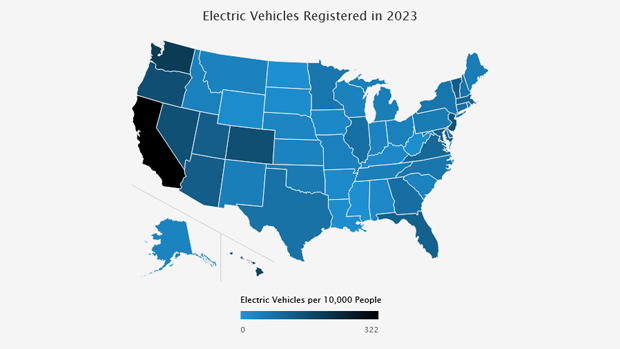
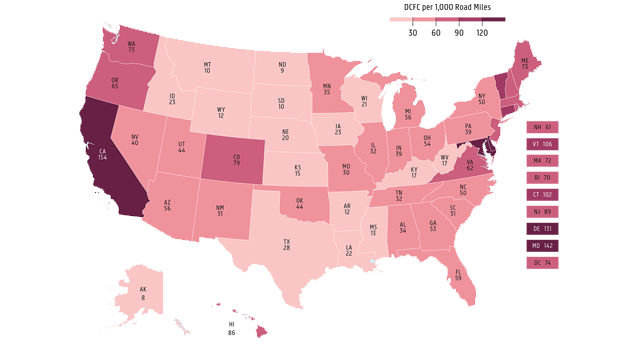
One of the key findings in the IEA’s report is that the expansion of public chargers in the U.S. has not kept pace with the growing number of EVs on the road. Although the country has higher rates of home charger access than China, the world’s leading market, the ratio of electric vehicles per public charging point continued to rise in 2024. There remains significant room for growth in the U.S. charging network, but this gap now risks widening further following the Trump administration’s decision to pause National Electric Vehicle Infrastructure (NEVI) funding.
The Federal Highway Administration (FHA) halted new funding for state programs in February to review the policies underlying the implementation of the NEVI Formula Program. Although updated final guidance is expected following review by the U.S. Department of Transportation, the outlook remains unclear, prompting state governments to sue the White House over the disruption. This stalemate risks slowing progress toward a more equitable charging network, especially in areas still underserved despite growing EV interest.
While charging infrastructure has largely followed EV adoption patterns, there's untapped potential to broaden e-mobility access. Public charging remains most concentrated in urban centers, but expanding infrastructure into rural areas presents a key opportunity to close the access gap and unlock broader e-mobility adoption across the country. However, how this potential plays out will depend heavily on federal policy and evolving market trends.
Despite the policy setbacks and lingering uncertainty, industry leaders remain focused on the bigger picture. “We have always had a long view of this industry, and you must when you're dealing with a disruptive new technology. The EV industry kind of ebbs and flows, but overall, there has always been growth momentum in the market over the longer term,” explained an Electrify America spokesperson.
“Our business plans are independent of incentives, and our growth plans have not changed because we see a need and a strong business case for continuing to invest in infrastructure,” the company states. For charge point operators, this means adopting flexible business models and strengthening partnerships, ensuring they don’t put all their eggs in a single basket.
What drivers want
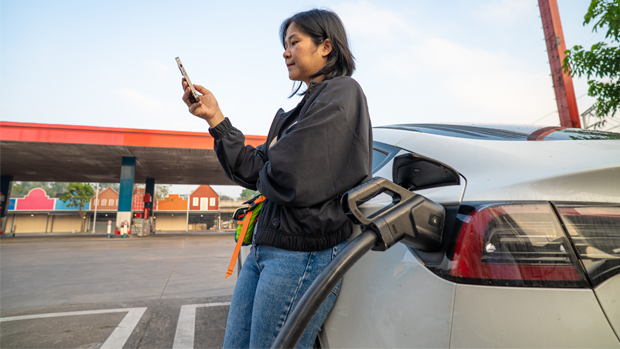
In this shifting landscape, some priorities stand firm and can guide strategic responses. According to a recent McKinsey & Company survey, range and charging speed still ranked among the top three concerns by U.S. consumers. While home charging continues to be the primary method for most, dedicated charging locations are essential to address both issues, reinforcing their vital role in the broader mobility transformation.
Meeting these expectations calls for more than simply adding chargers, it requires a thoughtful, robust network that balances speed, convenience, and energy management. “We are applying a holistic approach to improving the charging experience by continuing to strategically expand the network, increasing the number of chargers, and opening larger, more convenient stations,” says Electrify America.
Although consumer insights reveal that while access to advanced technology enhances the appeal of charging locations, rapid charging isn't a universal demand. Deloitte’s Global Automotive Consumer Study found that most U.S. drivers are comfortable waiting 20 to over 60 minutes to recharge, reinforcing the potential for strategic, service-rich charging sites.
In addition to creating a compelling site experience, loyalty is entering a new renaissance, especially in the U.S., where the average consumer now belongs to more than 15 programs. This trend gives both retailers and charge point operators an opportunity to craft meaningful, differentiated offerings that could help address the concerns of the one-third of Americans currently considering their first EV.
While key developments continue to unfold both domestically and internationally, one thing is certain: balancing smart growth with a clear focus on what drivers want will be best positioned to weather uncertainty. In a market still finding its footing, putting the customer first remains the industry’s most dependable path forward.
Written by Gonzalo Solanot