
Op-Ed: Filling up on the tech tank - Future proof fuel retailer operations
James Burdette, Senior Director of the Enterprise Process Innovation Center at Panasonic Connect North America, shares insights on how adopting emerging technologies amidst the EV revolution can help retailers in their fueling stations and store operations.
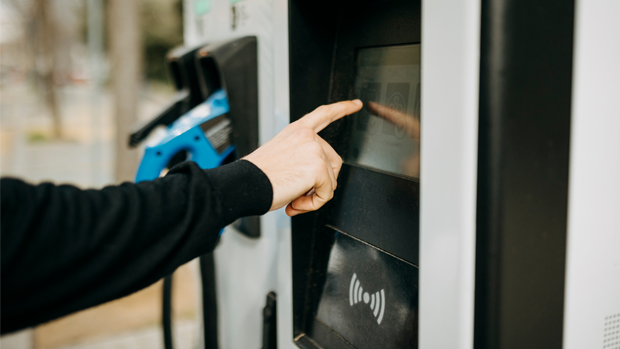
Americans drive more than 3 trillion miles per year. Whether it’s a road trip, work commute, or quick errand, being behind the wheel is familiar for most – and so is filling up the tank.
On average, 134.55 billion gallons of gasoline were pumped in the U.S. in 2022. With this steady demand, the fuel retailer industry has been modifying the pump station and convenience store experience to meet the transforming expectations of customers. This includes new interactive signage technologies at the gas pump – like your favorite news station or light-hearted trivia – and stocking shelves with fresher foods and greater variety to mitigate drivers needing to make multiple stops on the way to their final destination. Fuel retailers have reaped the benefits, especially within their convenience store area, which accounts for 60% of gross profit in the sector.
However, fuel retailers are facing a possible detour with the introduction of electric vehicles and other hybrid modalities. This means less customers will need traditional fuel as often, more may require “electric” fuel moving forward, and both threaten changes to the convenience store dynamic. To future-proof operations, fuel retailers must adopt emerging technologies in both the forecourt fueling stations and the store.
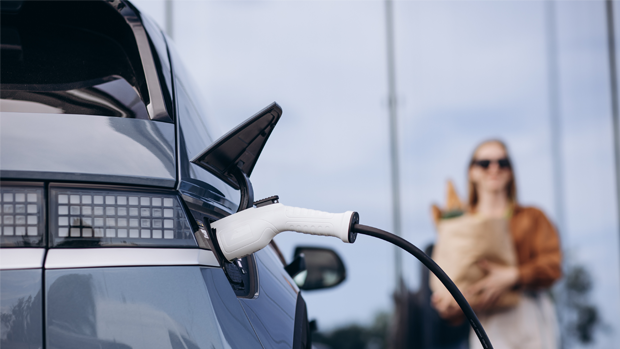
Electric Vehicles will Impact the Fuel Retailer Experience
The electric vehicle market is on a steady incline, with sales tripling from 2020 to 2022. It’s almost guaranteed that this introduction will impact fuel sales, so fuel retailers will have a lot to grapple with in the coming years. It will require either current fuel retailers to expand offerings to include electric charging stations or to double-down on the in-store experience to maximize revenue.
For those looking to add electric charging capabilities to their forecourt, there’s room for growth when it comes to the convenience market. Depending on the trip and car mileage, EV drivers spend anywhere from 30 minutes to a few hours at a charging station. Drivers will look for ways to pass the time – whether that’s indulging in a road-trip snack (or two), a good book, or cup of coffee or tea. The turn in-rate for EV drivers has the potential to be 45% higher than traditional drivers and their average spend can be 25% higher. But that’s only if retailers can get drivers into the store, as many will have other charging functions whether at home, at the supermarket, or even in public parking lots. Drivers will begin to look to convenience stores to be their one-stop-shop – and stores will be incentivized to take even a small amount of market share away from traditional grocery stores, for example.
For traditional fuel retailers that may lose traffic, luring in customers to both fuel and to spend in-store becomes the number one priority. A large part of this equation is delivering accurate, up-to-date, and personalized information to customers on the road. This is where digital signage comes in. With digital signage, retailers can highlight deals of the day, promote new products in the store, and emphasize the variety of in-store options available to consumers. Fuel retailers have taken advantage of digital signage in past years for interactive pump experiences, but larger, promotional signage has been displayed mainly in a paper format which is static. With digital signage, fuel retailers can customize and change signs based on time of day or what items they have in stock. This means they can go from promoting coffee discounts during the morning rush to after-school snacks during school pickup – all without having to physically replace the sign. This includes marrying signage with incentives, in which members get further perks or discounts.

Revving Up the In-Store Experience to Capitalize on More Traffic
Regardless of what vehicles you serve, drawing customers inside the store is just one part of the equation. Next is making sure they have a positive customer experience, so they come back again and again. Gen X and Millennial consumers tend to visit fuel retailer convenience stores most often, but there is room for growth among younger customers with the integration of technology. Today, younger patrons are more digitally-savvy and want their levels of tech-intelligence to be matched inside the store. They have less patience for waiting in line and want quick and easy experiences as they refuel and recharge.
Fuel retailers can meet this demand by implementing higher tech payment and ordering options – both at the forecourt fueling station and in the store itself. One way to do this is via self-serve kiosks. Rather than waiting in line to purchase items from front-of-house staff, drivers can instead order at their own pace. Using opt-in facial recognition software, kiosks can remember past purchases allowing drivers to re-purchase orders again – whether it’s a cup of coffee, pack of gum, or a loaf of bread. Integrated with payment software, these kiosks also remember customers’ payment information to reduce touchpoints and time spent purchasing.
The ordering experience will become more digitally powered in the coming years, especially with the introduction of pre-ordering technology. Rather than waiting to arrive at a fuel retailer to decide what to purchase, with pre-ordering technology via a mobile app, drivers can make orders before they even arrive. This is useful for those on long road trips or in a rush to get to their final destination, ensuring a quick in-and-out experience.
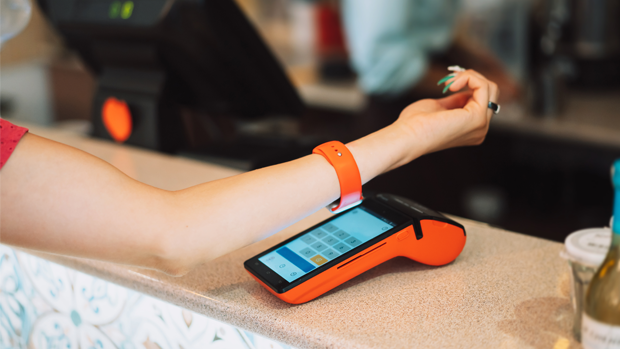
Prioritizing POS Delivers Pleasant Experiences for Patrons and Staff
In today’s world of fuel and c-store retail, businesses need to provide smarter payment options to their customers. It bears noting that traditionally, fuel retail payment experiences have been quite poor, lagging behind elevated, touchless, secure purchasing offered by retail, dining, and hospitality. The stakes are higher than ever before, and every poor engagement is a lost opportunity. To enable smoother checkouts, faster processing times, and peace-of-mind for customers, flexible POS terminals must become the norm. The checkout process is either completed by staff or customers use a self-serve kiosk to complete the transaction. These adaptable POS terminals give customers a more seamless checkout process and the c-store can decide how to optimize technology deployment to complement or augment staffing.
Staffing has been atop the list of challenges over the past few years. If a store is low on staff one day or even for a few hours, POS systems can easily transition from a technology run by a staff member to a self-checkout kiosk – like those seen at the pump. The data from these POS systems can also be used to identify patterns and other customer preferences that help managers assign staff most effectively. Being smarter with technology at every touchpoint is critical to creating a better customer and employee experience, which can then increase the bottom line of your business.
The Next Destination on the Fuel Retailer Roadmap: Technology
Over the next few years there’s room for exponential growth in the fuel retailer industry. Navigating the introduction of electric vehicles while keeping customers interested in the convenience store experience requires retailers to integrate the most up-and-coming technologies. By doing so, they’ll future-proof operations for years to come.
Written by James (Jay) Burdette, Senior Director of the Enterprise Process Innovation Center, Panasonic Connect North America