Invisible by design: The real competitive edge in energy retail
Jörg Heilingbrunner, CEO of Scheidt & Bachmann Energy Retail Solutions and MobilityPlaza's 2026 Mobility Ambassador, shares his perspective on why the future of energy retail will be shaped less by the number of services offered and more by how effectively they are connected.
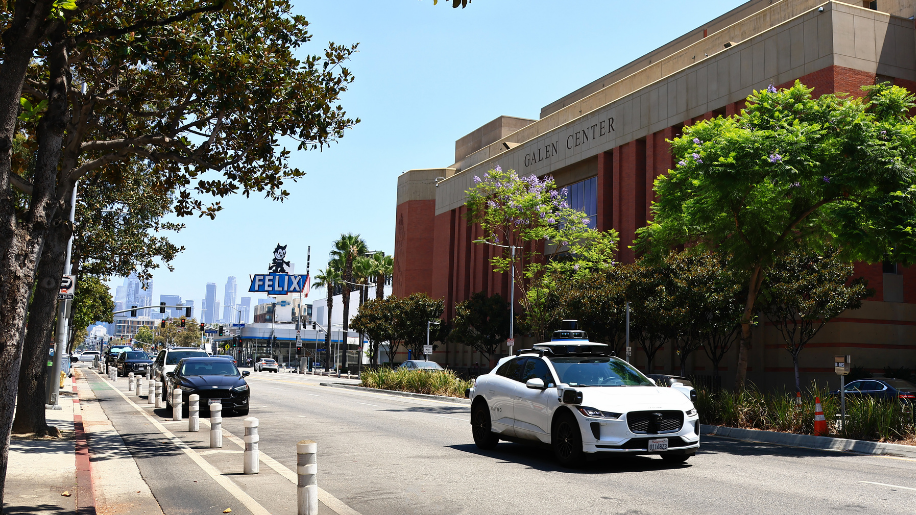
A trip to CES in Las Vegas last year gave me a preview of where mobility is heading. Autonomous robotaxis were cruising the strip, and nearly everyone I spoke to found the experience remarkable.
But what stayed with me from that trip was something far less remarkable: a service station.
I have lost count of how many times I have watched a similar scene play out, in Las Vegas and at home. A customer arrives, charges or refuels their car, picks up something to eat, collects a parcel, and leaves within minutes. None of it feels notable to them, and that is exactly the point.
What struck me was not what the customer was doing. It was how much had to happen behind the scenes for their experience to feel completely ordinary.
A modern mobility hub can bring together conventional fuelling, EV charging, food and convenience retail, parcel services, digital payments and loyalty programmes. Each of these services may be operated by different systems, partners and business models. Yet customers increasingly expect them to work as if they were one.
In my view, this is one of the most important shifts happening in energy retail. Mobility hubs are becoming more complex every year, while customer expectations are moving in exactly the opposite direction. Customers rarely notice this directly. They will simply choose the site that feels easier to use.
I do not believe the future will belong to the hub offering the greatest number of services. The stronger position will belong to the hub that connects those services without making the customer manage the complexity behind them.
Vehicles as part of the journey
This trend is only going to add another layer of sophistication. We are already beginning to see vehicles play a more active role in the customer journey. Many modern vehicles can help drivers plan charging stops and suggest locations based on route and range requirements. In-car payment is also emerging in selected use cases.
Looking ahead, these connections could enable new experiences. Pre-ordered refreshments may be ready when a customer arrives. Loyalty recognition could happen automatically across channels. Other services may become easier to access without additional steps from the customer.
Whether these possibilities become mainstream remains to be seen. The opportunity is not automatic. Their value depends on relevance, customer acceptance and how well they are integrated into the wider journey.
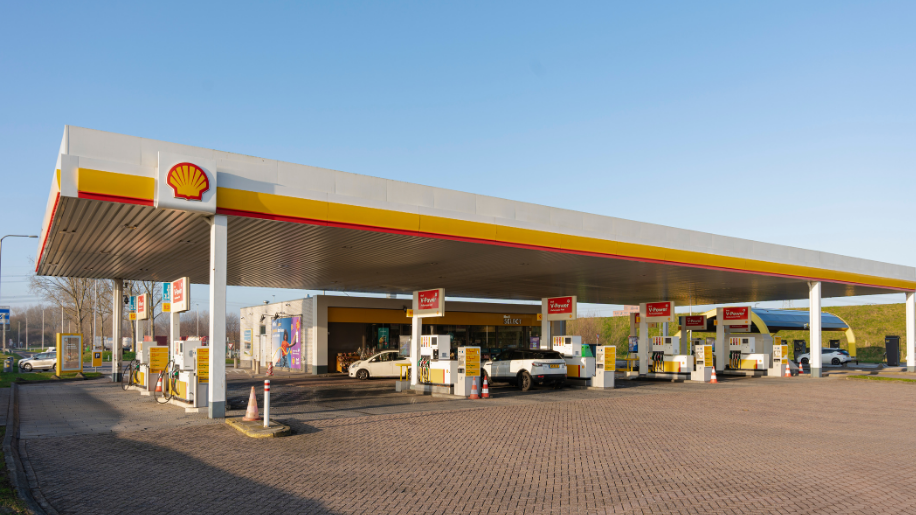
Adding services versus integrating services
I believe the industry sometimes focuses too much on adding services and not enough on connecting them.
The temptation will be to respond to every new mobility trend by adding another service, another app or another customer touchpoint. But more choice is not automatically a better experience. If the underlying connections are missing, the hub becomes more complicated for the customer rather than more useful.
Adding another charger, another payment option or another retail concept is relatively straightforward. Making it work seamlessly with everything already in place is much harder, and that is where operators will separate themselves from competitors.
Customers should not have to know which system manages the charger, which partner handles payment, or which platform runs loyalty. They simply expect everything to function as one.
The challenge for operators, then, is not only expanding their service portfolio. It is coordinating an increasingly layered ecosystem while keeping the customer experience simple.
Personalisation and retail media
The same principle applies to personalisation and retail media. Too often, discussions about these topics focus on technology or monetisation. I believe the more important question is whether they genuinely help customers make better or faster decisions.
Their value depends on whether information is relevant, timely and transparent. It also depends on customer consent and trust. Without those foundations, personalisation risks becoming noise rather than a service.
A simple example from my own life illustrates the point. I was recently shown an advertisement for a television series I had already watched from beginning to end. The data clearly existed somewhere. It simply was not connected in a way that created value.
At a mobility hub, similar disconnects would be highly visible. A coffee promotion appearing immediately after a customer has already bought one. A breakfast offer running late in the afternoon. An EV charging campaign being displayed to drivers with no interest in charging.
Shared information across payment, charging, retail and loyalty systems can help avoid those situations. Done well, these systems support the customer interaction rather than interrupt it.
The real opportunity in energy retail
My conclusion from all of this is straightforward. The most important test for mobility hubs will not be how many services they can offer. Nor will it simply be about physical size, location or a single technology trend. It will be whether customers can use those services naturally, without ever needing to understand the complexity behind them.
As mobility hubs continue to evolve, operators will have many opportunities to add new services and business models. My view is that success will depend less on adding capabilities and more on connecting them. That is where I see the next meaningful opportunity for energy retail.