Onexpo 2026: Mexico’s fuel retail sector navigates change through shared value
The industry balances state strategy, market efficiency and long-term sustainability in a shifting energy landscape.
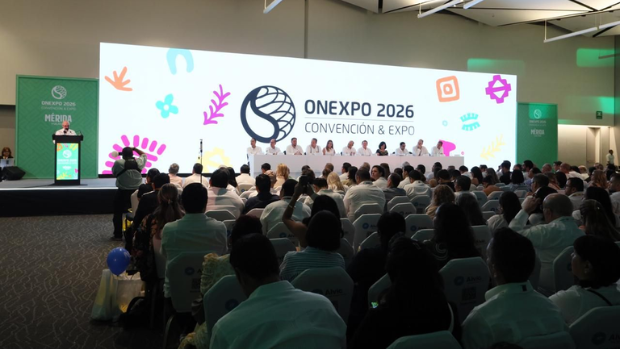
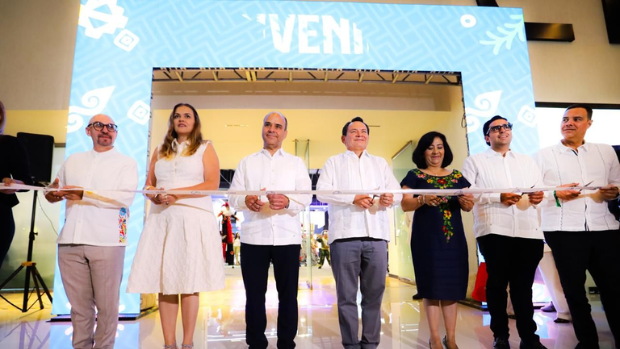
Mexico’s fuel retail sector convened for a new edition of ONEXPO: Convention & Expo, held at the Siglo XXI Convention and Exhibition Center in Mérida, Yucatán, from May 12–15, bringing together the industry’s key players amid a rapidly evolving energy landscape. As in previous editions, the event served as a key platform for networking and business development, gathering stakeholders from across the value chain, from suppliers and operators to policymakers and technology providers.
A roadmap centered on shared value and operational sustainability
In his inaugural address, Onexpo Nacional President Enrique Félix Robelo outlined the strategic direction for the industry, stressing that the challenge ahead goes beyond fuel sales and into the creation of “shared value” across the entire ecosystem.
His speech pointed to the operational strain created by mechanisms such as fuel price caps, which, while socially responsive, require compensatory frameworks to ensure the financial viability of operators. The message conveyed a need for policy design that recognizes the economic realities of retail networks.
At the core of his vision was the concept of interdependence: a fuel value chain in which regulatory burdens, illicit competition and operational inefficiencies can destabilize the entire system if not addressed holistically. Félix Robelo highlighted that excessive regulatory costs without simplification can directly impact service quality and investment capacity, while illegal market practices continue to distort competitive conditions.
The overarching message from Onexpo’s leadership was clear: the sector is entering a decisive phase that demands professionalization, technological investment and coordinated action between government and industry to ensure both continuity and modernization.
Beatriz Silvia Robles, President of the Senate Energy Committee, framed the discussion by recalling how the liberalization period coincided with a sharp decline in refining capacity and a growing dependence on fuel imports. According to her, national refining output fell from approximately 1.2 million barrels per day in 2013 to nearly half that level within five years, highlighting the vulnerability of the domestic supply system.
Against this backdrop, Robles emphasized the need to strike a more strategic balance between public and private participation. The objective, she argued, is not a return to past models, but the construction of a system that safeguards national interests while maintaining incentives for efficiency and competition.
Regional insights, innovation and regulatory dialogue
Beyond the macro context, the convention’s agenda offered a wide range of panels and conferences addressing the operational and strategic challenges faced by fuel retailers.
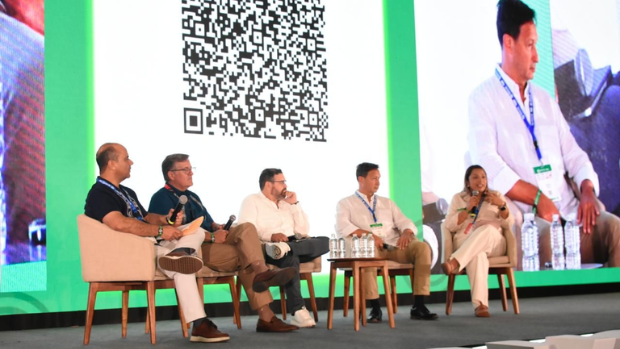
One of the highlights was the panel focused on Latin America, which brought together industry leaders from Costa Rica, El Salvador, Argentina and Mexico. The discussion provided a comparative view of regulatory frameworks, operational constraints and growth opportunities across the region. Participants emphasized that, despite differing national contexts, common challenges include regulatory complexity, market volatility and the need for modernization in retail operations.
Innovation also played a central role, with explorations on artificial intelligence’s impact on service operations and how emerging technologies are reshaping the sector. From demand forecasting and inventory optimization to customer experience and fraud prevention.
On the regulatory front, the panel dedicated to updates in labor law and compliance addressed the increasing complexity of workforce management in a highly regulated environment. Experts analyzed obligations, reforms and operational risks, underlining the importance of legal certainty and proactive compliance strategies.
Recognition and networking as pillars of the Onexpo experience
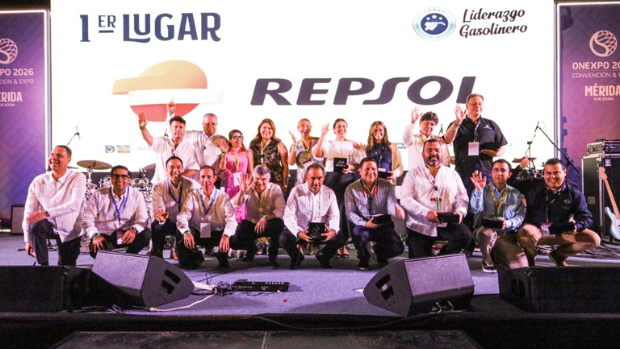
In parallel with its conference program, Onexpo 2026 also celebrated industry leadership through the seventh edition of the Liderazgo Gasolinero awards. These highlighted companies and executives that have demonstrated adaptability, innovation and strategic vision in a rapidly evolving market.
Leading the rankings was Repsol México, followed by Grupo SARU and CIEFSA, with additional honorary mentions granted to companies such as AKRON, OXXOGAS and Combuservicios, among others. The recognition not only showcased best practices but also reinforced the industry’s commitment to continuous improvement.
Onexpo 2026 ultimately reflected an industry in transition. Faced with regulatory adjustments, evolving government strategies, technological disruption and shifting consumer expectations, Mexico’s fuel retail sector is redefining its role within the broader energy system.
The conversations in Mérida made it clear that future growth will depend on achieving a delicate balance: aligning policy with operational realities, fostering fair competition, and embracing innovation while maintaining financial sustainability.