Self-checkout technology sets record year
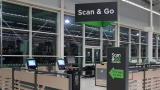
A new study by Datos Insights reveals that 2023 marked a record-breaking year for self-checkout technology globally.
The global self-checkout market experienced solid growth throughout 2023, driven by long-term investors upgrading their hardware and increasing adoption in developing markets.
According to the Global EPOS and Self-Checkout report, a study conducted by the strategic research and consulting firm RBR Data Services, a division of Datos Insights, more than 217,000 terminals were installed worldwide in 2023. This represents a 12% increase compared to the previous year.
Activity was particularly strong in the USA, the world’s largest self-checkout market, with continued rollouts at supermarket chains, including discounter Aldi and regional fuel convenience operators such as Refuel and Kwik Trip. Meanwhile, in Europe, the market saw a boost from replacement projects at major UK grocery retailers, driving significant shipment increases.
In Asia, China, the region’s largest market, returned to growth following the lifting of COVID-19 lockdowns, while pilots continued in under-penetrated markets such as the Philippines and India. Elsewhere, small-scale rollouts and trials are underway; Kenya, for instance, saw its first-ever self-checkout installations at Carrefour, while grocery retailers like Devoto Express introduced the technology in Uruguay.
Among the leading providers of self-service technology, Diebold Nixdorf stood out, having emerged as the new global #2 provider and the current leader in the EMEA region.
“Self-checkout pilots are appearing in smaller countries, and the technology is gaining traction in major markets that were initially slow to adopt, such as Germany, highlighting strong potential for global market growth,” said Jeni Bloomfield, who led RBR Data Services’ Global EPOS and Self-Checkout research.
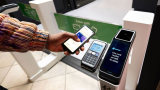
As self-checkout technology continues to evolve, a growing proportion of new terminals are cashless, accepting only digital payments. These payment options include cards, mobile wallets, and even biometric payments in some countries.
Despite near-term security concerns, demand for self-checkout technology remains robust. Countries from Canada to Thailand are grappling with labor shortages, while consumers increasingly expect a variety of checkout options at stores. The report predicts that the number of installations will reach two million globally by 2029.