
The Challenge of Used Fuel Dispensers: Ensuring Inspection, Certification and Traceability for Safe Operations
Ad
Gilbarco Veeder-Root warns that insufficient information about the origin, maintenance history or modifications of a used fuel dispenser can pose risks to safety, measurement accuracy and operational continuity.
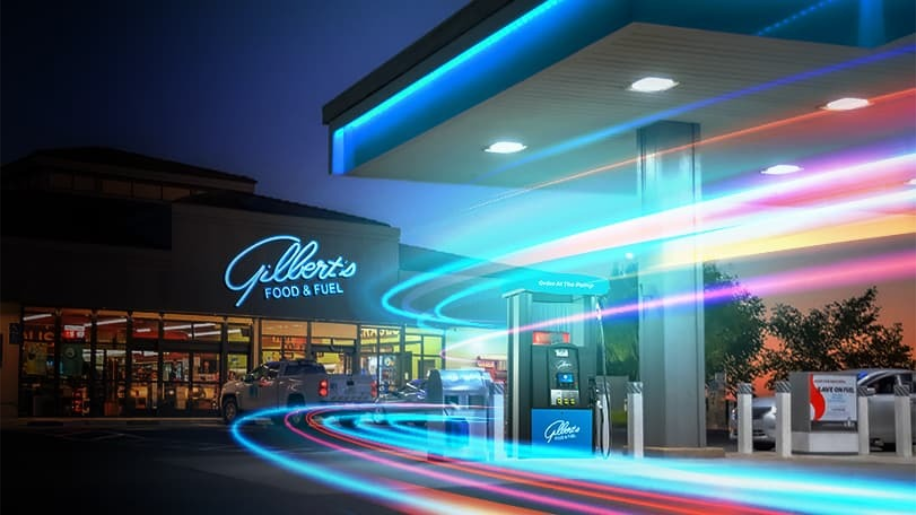
The sale and reuse of used fuel dispensers at service stations across Latin America present operational and safety challenges that require particular attention, especially in countries such as Colombia, Peru, Ecuador and Bolivia. Prior inspection, verification of the corresponding certifications and full equipment traceability are therefore essential to ensure that service station modernization progresses in line with high standards of safety, reliability and control.
For Gilbarco Veeder-Root, a Vontier Group company and a global leader in service station management, payment and automation solutions, the primary risk does not necessarily lie in the fact that a dispenser has previously been used. Rather, it arises when equipment is operated without reliable information about its origin, age, maintenance history or modifications. The company therefore recommends that, before purchasing or installing a used dispenser, operators obtain verifiable documentation and arrange a prior technical inspection to confirm the equipment’s operating condition.
Fuel dispensers operate continuously with flammable products and contain mechanical, electronic and metering components that must function in accordance with specific technical and regulatory parameters. When used equipment changes ownership or is transferred between countries, some of the information regarding its technical history, replacement parts or interventions carried out during its service life may be lost.
“A used dispenser can continue to operate correctly, provided there is traceability regarding its origin, maintenance history and components, and that it undergoes a technical assessment before being returned to service. The problem arises when there is insufficient information to determine the equipment’s actual condition,” said Ariel Dovek, Commercial Director for Latin America at Gilbarco Veeder-Root.
Another important consideration is the accuracy of the equipment’s measurements. A dispenser must guarantee that the recorded volume corresponds to the amount of fuel actually delivered. Wear, improper repairs, altered components or inadequate calibration can generate discrepancies that affect both consumers and service station operators. Before placing the equipment into operation, verifying the condition of the metering system and performing the necessary tests and calibrations in accordance with applicable regulations is therefore considered good practice.
The economic impact of this type of equipment must also be considered. A lower purchase price does not necessarily result in a lower total cost over the equipment’s service life. Factors such as recurring repairs, component replacement, difficulties sourcing spare parts, recalibration and unplanned downtime can increase operating expenses while reducing the dispenser’s availability or useful life.
Against this backdrop, Gilbarco Veeder-Root considers it essential for the introduction of used equipment to be supported by procedures that verify its traceability. These should include confirmation of the serial number, origin, age, maintenance and repair history, component integrity and applicable safety certifications.
The company recommends that any reused dispenser be inspected by qualified technical personnel or authorized representatives before installation. Particular attention should be paid to metering systems, safety elements, electronic components and devices intended to operate in environments containing fuels and flammable vapors. Operators are also advised to establish a preventive maintenance program and conduct periodic inspections.
For Gilbarco Veeder-Root, inspection, verification of applicable certifications and traceability should be part of every decision involving the purchase, installation and maintenance of used dispensers. These good practices can help identify potential failures at an early stage, support reliable measurements and reduce unplanned interruptions.
In addition to strengthening the safety of employees and consumers, these measures contribute to greater operational reliability and continuity, optimize maintenance costs and protect service station owners’ investments over the long term.
“In a regional market moving toward more digitalized, connected and secure service stations, understanding the history and actual condition of equipment must become a priority when making investment and site modernization decisions,” Dovek concluded.