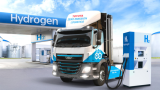
World’s first ethanol-to-hydrogen station begins pilot in Brazil
With a production capacity of 100 kilograms of hydrogen per day, the site will supply three buses and two light-duty vehicles at the University of São Paulo.
The University of São Paulo has launched the testing phase of the world’s first experimental station dedicated to producing renewable hydrogen from ethanol.
Developed by the Research Centre for Greenhouse Gas Innovation (RCGI), the site is located in São Paulo’s University City and represents a R$ 50 million investment. The project aims to showcase ethanol’s viability as a sustainable hydrogen source, utilizing Brazil’s existing infrastructure.
“With our vast water resources, the country’s best infrastructure, and a highly skilled workforce, we are well-positioned to produce clean, renewable energy for both domestic and international markets. By leveraging sugarcane’s potential, we can develop solutions that will transform industries such as transportation,” stated Tarcísio de Freitas, São Paulo Governor.
With a production capacity of 100 kilograms of hydrogen per day, the plant will supply three buses and two light-duty vehicles, including the hydrogen-powered Toyota Mirai and Hyundai Nexo.
This project is part of a Research and Development initiative involving key industry players such as Shell Brasil, Raízen, Hytron (a Neuman & Esser Group company), Senai CETIQT, and USP’s RCGI, alongside automotive giants Toyota, Hyundai, Marcopolo, and the Metropolitan Urban Transport Company of São Paulo (EMTU).