Shell forecasts global LNG demand to rise 65% by 2050
Outlook projects annual LNG consumption nearing 700 million tonnes as energy security and emerging markets drive growth.
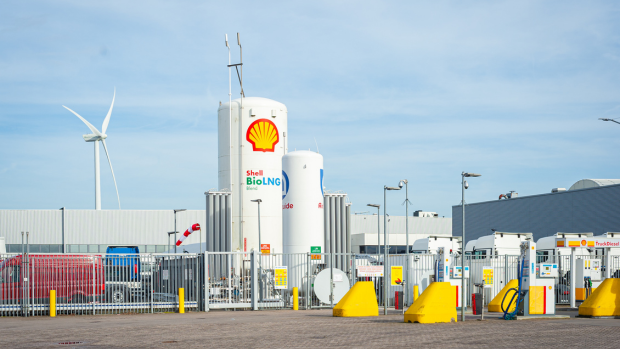
Global demand for liquefied natural gas (LNG) is expected to increase by around 65% by 2050, reaching nearly 700 million tonnes annually, according to Shell’s LNG Outlook 2026. The forecast reflects continued demand for reliable and flexible energy supplies, particularly in Asia and other fast-growing markets.
Shell reported that 422 million tonnes of LNG were traded globally in 2025. While growth in 2026 has been affected by supply disruptions linked to shipping constraints through the Strait of Hormuz, the company expects the market to return to a growth trajectory from 2027 as new supply enters the market.
“The conflict created a system-wide shock with disruption cascading across all segments of the economy, but the LNG industry has proved resilient and able to adapt to changing market conditions,” said Cederic Cremers, President of Integrated Gas at Shell.
The company forecasts that around 180 million tonnes of new annual LNG supply capacity will come online by 2030, supported largely by projects in North America. However, the energy giant noted that importing countries will need additional regasification and pipeline infrastructure to fully benefit from this expansion.
South and Southeast Asia are expected to account for approximately 40% of global LNG imports by 2050, driven by rising energy demand and efforts to reduce emissions compared with coal. At the same time, emerging applications such as LNG bunkering are projected to expand significantly, reaching 27 million tonnes by 2035.
Shell also highlighted LNG’s continuing role in supporting Europe’s energy security and balancing renewable power generation as domestic gas production declines. To meet long-term demand, the company said substantial investment in new liquefaction projects will be required through the 2030s and 2040s.