Aral pilots two new lower carbon fuels in Germany
The products reduce CO2 emissions by at least 25% compared to pure fossil fuels and contain at least 30% of high-quality renewable components.
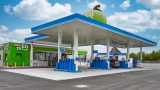
Aral is piloting two new fuels in Germany – Futura Super 95 and Futura Diesel . They are now publicly available for customers at one station in Berlin and one in Düsseldorf. Both products reduce CO2 emissions compared to pure fossil fuels by at least 25% and contain at least 30% of high-quality renewable components, including a significant share of advanced renewable components.
According to Statistisches Bundesamt, the transport sector is currently estimated to account for more than 25% of all CO2 emissions in the European Union. Reducing its emissions is essential to help reach the country’s targets of reducing greenhouse gas emissions – that include CO2 – by 65% (compared to 1990) by 2030.
"We believe that petrol and diesel fuels that save CO2 emissions can play an important role in the energy transition of transport – even as it continues to broader vehicle electrification and the diversification of drives such as bio-LNG, bio-CNG and hydrogen in heavy-duty transport. With our new fuels, we demonstrate what is already possible within the existing fuels standards today,” said Patrick Wendeler, CEO of Aral AG.
Fuel distributors are to reduce greenhouse gas emissions increases continuously to 25% in 2030. Aral Futura fuels demonstrate this is technically possible by blending in renewable components and still meeting the current standards DIN EN 590 (diesel) and DIN EN 228 (petrol).
Besides the growth of lower carbon fuels for existing ICE vehicles, Aral has set itself the goal to grow an infrastructure that supports decarbonization of transport. With 1,000 charging points, the company already runs Germany’s largest publicly accessible ultra-fast charging network today – Aral pulse – providing fast, reliable charging infrastructure in convenient locations.