South Korea targets 100% electric and hydrogen police vehicles by 2035
The government launches pilot program at Gangnam Police Station as part of a broader effort to electrify the national police fleet.

South Korea has announced plans to transition all newly purchased or leased police vehicles to electric and hydrogen-powered models by 2035, with limited exceptions for certain specialized vehicles.
The initiative was unveiled through a cooperation agreement signed by the Ministry of Climate, Energy and Environment, the Ministry of the Interior and Safety, and the Korean National Police Agency. The agreement is intended to accelerate the electrification of the country’s police fleet and strengthen collaboration between government agencies on transport decarbonization.
According to the government, South Korea currently operates approximately 17,600 police vehicles nationwide. As of the end of June 2026, 2,185 vehicles were electric or hydrogen-powered, representing an electrification rate of about 12.4%.
The National Police Agency purchases or leases an average of roughly 1,900 new vehicles annually. Under the new plan, all eligible future acquisitions will be electric or hydrogen-powered by 2035.
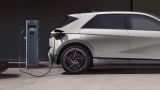
As part of the rollout, Gangnam Police Station in Seoul has been designated as the country’s first “eco-friendly police station.” The pilot project will replace 22 internal combustion patrol vehicles operated by local police units with electric vehicles and install nine 200 kW fast chargers across six district police offices to support daily operations.
Officials said electric vehicles could enhance police field operations due to their responsiveness and quiet operation. They also highlighted the long-term potential for more advanced patrol vehicles equipped with customized driving and safety technologies.
The government plans to expand the pilot program to additional police stations across the country and eventually encourage similar transitions throughout the broader public sector. Authorities also intend to identify new opportunities to increase demand for electric and hydrogen vehicles in both government fleets and private-sector transportation.