South Korean refiners face probe over gas station supply practices
The Korea Fair Trade Commission is investigating whether four major refiners restricted affiliated gas stations from selling competitors’ fuel products.
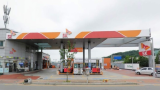
South Korea’s antitrust regulator has launched a new investigation into the country’s four largest refiners over allegations that affiliated gas stations were pressured to sell only their fuel products, potentially limiting competition in the retail fuel market.
As reported by Chosunbiz, the Korea Fair Trade Commission (KFTC) recently carried out on-site inspections at SK Energy, HD Hyundai Oilbank, GS Caltex and S-Oil. The inquiry follows an earlier investigation launched in March into suspected collusion involving petroleum product pricing.
The latest probe focuses on whether the refiners required gas stations operating under their brands to exclusively purchase and sell their fuels. Such arrangements could violate South Korea’s Monopoly Regulation and Fair Trade Act, which prohibits transactions that unfairly restrict a partner’s business activities through coercive exclusive dealing conditions.
If violations are confirmed, the KFTC could issue corrective orders and impose penalty surcharges of up to 4% of the related sales revenue.
The investigation revisits concerns that have surfaced before in South Korea’s fuel retail sector. In 2008, following the abolition of the country’s trademark display, or “pole sign,” system, the KFTC conducted similar inspections of the same refiners and later issued corrective measures.
Under the former system, gas stations displaying a refiner’s brand were generally expected to sell only that company’s fuel. The government abolished the practice to increase competition and provide consumers with more choice in the marketplace.
According to findings from the regulator’s earlier investigation, refiners had signed agreements requiring affiliated stations to source all petroleum products from them, with penalties such as contract termination or damages for non-compliance.