U.S. Department of Agriculture unveils major overhaul of SNAP retailer rules
New stocking requirements raise compliance concerns for convenience stores and small retailers.
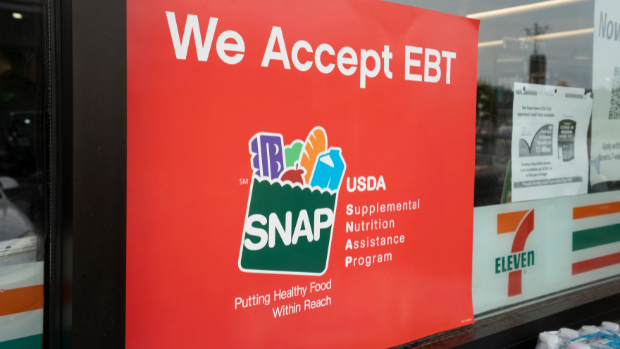
The U.S. Department of Agriculture (USDA) has finalized a sweeping update to stocking requirements for SNAP-authorized retailers, marking one of the most significant policy changes to the program in decades. Announced last week, the rule raises the minimum number of food varieties from three to seven across four staple food groups, requiring retailers to reassess inventory to maintain eligibility.
The update introduces a more complex, three-tiered structure that changes how foods are categorized and counted. Retailers must now evaluate product assortments in detail, as broader and sometimes unclear groupings could affect compliance. With only six months to implement the changes, the timeline poses operational challenges, particularly for smaller businesses.
“Today's final rule represents a massive shift in SNAP policy, and right now it raises more questions than it answers. We are reviewing the rule carefully with our members and pressing USDA for the guidance retailers need to understand its implications,” said Margaret Mannion, director of government relations at NACS. “Convenience stores are one of the most accessible food retail options in this country, and we want to make sure this rule doesn't inadvertently push stores out of SNAP and leave communities without a place to use their benefits.”
Convenience stores play a significant role in SNAP access, accounting for 45% of authorized retailers and serving communities where other food retail options may be limited. According to NACS, 93% of Americans live within a 10-minute drive of a convenience store, including 86% of rural residents.
For many SNAP users, particularly those without access to vehicles or nearby supermarkets, these stores serve as a primary point of benefit redemption. Industry groups warn that without clearer guidance and adequate implementation timelines, the new requirements could disrupt access in underserved areas.
The USDA’s changes reflect an effort to strengthen nutritional offerings within SNAP, but stakeholders indicate that execution will be critical to balancing policy goals with practical retail realities.