7-Eleven pioneer Toshifumi Suzuki passes away
Visionary behind Japan’s convenience store model transformed retail with 24-hour operations and expanded services.
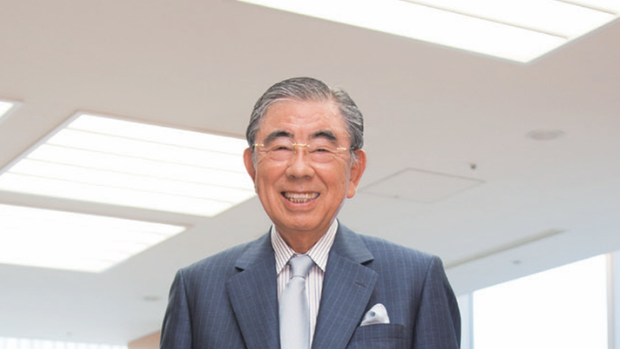
Toshifumi Suzuki, the former president of 7-Eleven Japan and a key figure in the development of the country’s convenience store sector, has died at the age of 93 due to heart failure. The announcement was made by Seven & I Holdings, where Suzuki had served as honorary advisor since 2016.
Suzuki played a central role in introducing the 7-Eleven concept to Japan, opening the first store in Tokyo in 1974. He later became president of Seven-Eleven Japan in 1978, leading the expansion of the retailer and shaping its operational model to meet local consumer needs.
Under his leadership, the convenience store model evolved beyond retail to include services such as 24-hour operations, bill payments and ATM access, features that were uncommon in Japan at the time. These innovations helped establish convenience stores, or “konbini,” as essential everyday destinations in urban areas.
Suzuki also oversaw the creation of Seven & I Holdings in 2005 and the acquisition of the U.S.-based 7-Eleven business, consolidating the brand’s global operations under Japanese leadership.
Today, 7-Eleven, alongside competitors Lawson and FamilyMart, forms a core part of Japan’s retail landscape, offering ready-to-eat meals, essential goods and services that cater to daily routines. The format has also gained international attention, with products such as onigiri and prepared foods becoming widely recognized.
Suzuki’s legacy is closely tied to the transformation of convenience retail in Japan, with a model that has influenced markets worldwide.