DECARBON 2027 Brings Industry Leaders to Berlin for Discussions on Industrial Transition, Hydrogen and CCUS
DECARBON 2027 returns to Berlin at a pivotal moment for the energy sector, bringing together industry leaders to tackle hydrogen expansion, CCUS growth and practical decarbonisation strategies. With 250+ senior delegates and high‑level B2B networking, it’s where real-world solutions and future energy ambitions meet.
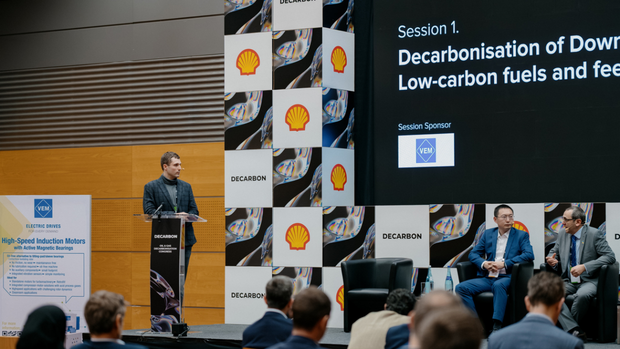
The Oil and Gas Decarbonisation Congress (DECARBON) returns to Berlin on 15-16 February 2027 as the energy industry enters a new stage of industrial transition shaped by hydrogen infrastructure expansion, accelerating CCUS investment and growing pressure to combine emissions reduction with operational performance and commercially realistic deployment models across the oil and gas value chain.
Hydrogen networks continue to expand across Europe while investment in CCUS accelerates across major industrial hubs. At the same time, performance optimisation increasingly becomes one of the fastest routes towards lowering emissions and improving cost efficiency. Methane abatement also remains under growing international scrutiny. According to the International Energy Agency’s Global Methane Tracker 2026, around 70% of methane output from fossil fuel activities could already be reduced using existing solutions.
These developments shape the direction of DECARBON 2027 as a closed-door B2B event dedicated to practical industrial decarbonisation and commercially realistic transition models across the oil and gas value chain. Every year, more than 250 delegates from over 130 companies join the Congress for strategic networking, technical exchange and 180+ B2B meetings centred on the future of industrial energy transformation. Operators, EPCs, pipeline companies and equipment manufacturers come together to discuss infrastructure modernisation, long-term competitiveness and the realities of large-scale deployment across evolving energy markets.
The business programme addresses the investment landscape and implementation approaches influencing the next stage of industrial transformation. Some sessions focus on hydrogen, CCUS and refining evolution, while others address operational efficiency, AI-driven optimisation and the increasing pressure to prepare assets for lower-carbon energy systems.
Reflecting on the pace and complexity of industrial transformation in Europe, Dr. Aleš Bulc, Technical Lead Hydrogen at Wood PLC, says that “we really have to reform, simplify the process and keep the momentum moving in Europe,” underlining the need for pragmatic deployment models capable of balancing industrial resilience, infrastructure readiness and long-term climate ambitions.
Operational performance and methane mitigation continue to influence capital allocation across the energy industry. According to the IEA, nearly 30 Mt of upstream emissions could already be avoided at no net cost under current energy prices through measures available today, including leak detection systems, electrification and facility upgrades.
Beyond the strategic programme, DECARBON 2027 reflects the growing shift towards industrial-scale execution. As transition projects move closer towards deployment, energy companies increasingly face pressure to accelerate approvals, simplify delivery pathways and remain competitive within a rapidly evolving regulatory and investment climate.
The Congress welcomes representatives from Shell, MOL Group, Italgas, TotalEnergies, OGE, Siemens AG, Petrofac, Linde, Kent, ORLEN S.A., Wood, Bonatti SpA, NextChem and other companies.
Engage with the projects, technologies and investment strategies helping to reimagine the future of energy: https://sh.bgs.group/4g4