The future of EV charging: A conversation with open-loop payments expert Ales Popelka
Ad
Aleš Popelka, Head of Mobility at Switchio, discusses the evolving EV charging payments landscape. As the industry grows, operators need seamless, scalable, hardware-agnostic solutions—challenges traditional systems face. In this interview, he explains why Switchio entered the EV market, operator expectations, and how open-loop payments are transforming charging.

As electric vehicles (EVs) become mainstream, seamless payments are a crucial part of the charging experience. While traditional transport payment systems have been slow to evolve, EV charging is a fast-moving industry, embracing new technologies and attracting new players. Charging operators need payment solutions that can adapt to different hardware, work across multiple providers, and support network growth—something traditional payment systems often fail to deliver.
To explore this transformation, we spoke with Aleš Popelka, Head of the Mobility Division and an expert in open-loop payments, about why Switchio entered the EV market, what operators expect from payment providers, and what the future holds for charging transactions.
With the evolution of the EV market, charging point operators face new challenges and opportunities. How is the adoption of open-loop payment systems transforming the industry?
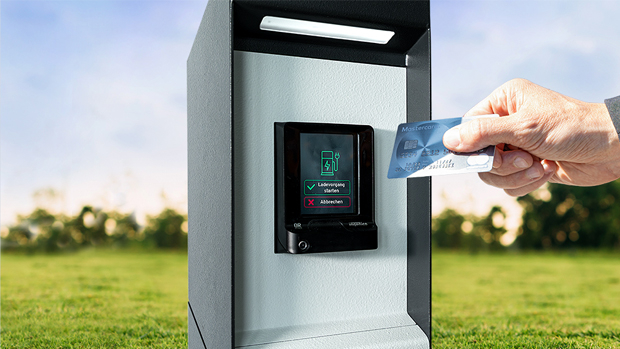
Whilst the EV charging sector is growing fast, it is fair to say that early payment solutions weren’t built for scale and that many charging networks have relied upon closed-loop or ad hoc payment setups, which can limit accessibility for drivers and make operations unnecessarily complex for providers. Our Open-loop payment systems are changing that by allowing drivers to pay just like they would at a typical fuel station—using contactless cards or mobile wallets. No apps or accounts are required and hence no unnecessary or otherwise burdensome restrictions are put in place. This approach enhances accessibility whilst improving the payee experience, and therefore provides the opportunity to significantly broaden market adoption for the charging networks. In fact, for operators themselves, the impact is potentially even greater! Open-loop payments, when seamlessly combined with cloud-based transaction processing can significantly streamline operations, enable remote monitoring, and reduce overall costs. Additionally, instead of being locked into closed payment ecosystems, operators can integrate chargers from many different manufacturers, work with multiple acquirers, and scale their networks more efficiently. Our experience shows that this inherent flexibility is regarded as hugely beneficial to many marker operators.
What do charging operators expect from an open-loop payment service provider?
Operators need flexibility, reliability, and complete independence. Many don’t want to be tied to one hardware manufacturer or one acquirer—they need a system that integrates across different charger brands and payment providers. That’s exactly where Switchio stands out. Our proven solution is hardware-agnostic and acquirer-independent, ensuring full compatibility through OCPP standardization. Operators can mix and match hardware, use local or global acquirers—or both—and easily scale their payment infrastructure. Our extensive network of integrated payment providers across Europe and beyond gives operators the freedom to scale without technical limitations or vendor lock-in.
There isn’t just one open-loop payment solution on the market—so what makes Switchio different?
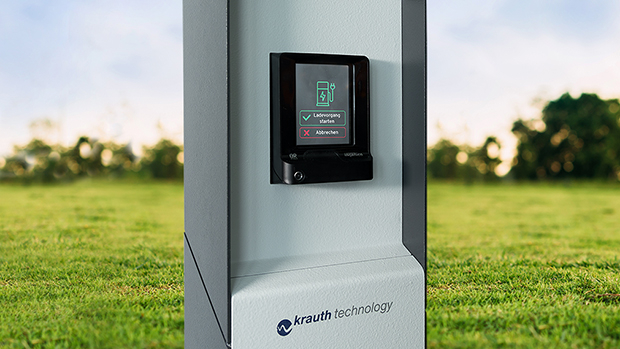
Many providers offer open-loop payment systems, but Switchio stands out because we build everything in-house—from payment terminals to cloud processing and security frameworks. Unlike competitors relying on third-party vendors, we control every aspect of development, ensuring faster updates, stronger security, and seamless integration. This independence allows charging operators to stay hardware-agnostic and acquirer-independent, giving them the flexibility to scale and optimize their networks without being locked into restrictive ecosystems. With 25 years of expertise, Switchio delivers a future-proof, adaptable payment platform designed for the evolving EV charging market.
What does the future hold for payment methods in e-mobility?
It's clear that the European Union is actively driving the standardization of EV payment methods, with a strong push toward contactless EMV payments. In the coming years, we fully expect EMV to become the dominant payment method, further driven by pressure from banks, payment associations, and end users who demand a seamless and user-friendly experience. Drivers want to tap their card or phone and charge—without needing apps or prepaid accounts.
However, we also see the future going far beyond EMV payments only. As e-mobility becomes part of everyday life, vehicles will very likely need to have their own digital identities, one implication of this will be to enable fully autonomous payments between cars and charging stations. Discussions with automakers on this topic are already underway, and this innovation will undoubtedly open new possibilities for seamless transactions. Until then, EMV will remain the leading standard, ensuring easy and secure payments for EV users.