Vietnam rolls out nationwide E10 biofuel gasoline mandate
Policy-driven transition aligns with energy security and net-zero goals.
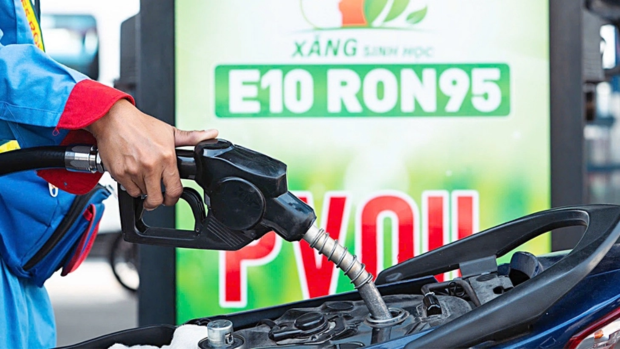
Vietnam began nationwide adoption of E10 biofuel gasoline, marking a milestone in its long-term energy transition strategy. The policy requires the full replacement of conventional gasoline with a 10% ethanol blend, aligning the country with more than 60 markets that have implemented similar fuel standards.
The rollout follows more than a decade of policy development, including government decisions, Party resolutions and international climate commitments. Vietnam’s strategy builds on earlier initiatives such as the introduction of E5 gasoline in 2018, with the shift to E10 representing the next phase of its biofuel roadmap.
Authorities have framed the transition as a structural adjustment rather than a short-term measure. Biofuels are expected to help reduce reliance on imported fossil fuels while supporting domestic agricultural and energy sectors. The policy also contributes to Vietnam’s commitment to achieve net-zero emissions by 2050, announced at COP26.
Deputy Minister of Industry and Trade Nguyen Sinh Nhat Tan emphasized the broader context of the change, stating: “The implementation of biofuel gasoline is not an imposed decision. It stems from the requirements of sustainable development, energy security, environmental protection and the fulfilment of Vietnam's international commitments.”
The introduction of E10 follows earlier challenges in consumer adoption of E5 fuel, including pricing differences, vehicle compatibility concerns and limited awareness. Officials have noted that communication and public acceptance will play a critical role in the success of the new mandate.