Podcast: Latin America's forecourt in transition with Equipetrol, Tecsofuel and PWM
In this episode of Talks on Mobility, MobilityPlaza brings together three suppliers active across Latin America: Juan Carlos Toledo of Equipetrol, Luigi Sisto of Tecsofuel and Katharina Krawinkel of PWM, to discuss how the region's fuel retail market is moving from fuel to convenience, and what stands in its way.
Recorded as a live roundtable at UNITI expo 2026 in Stuttgart and moderated by Gonzalo Solanot, Editor & Communications Lead at MobilityPlaza, the session was held in Spanish with live English interpretation. It set out to extend the show's reach beyond Europe and hear from the people shaping forecourts across Latin America.
The panel, comprised of Juan Carlos Toledo from Equipetrol, Luigi Sisto of Tecsofuel, and Katharina Krawinkel of PWM; agrees that the shift from fuel stop to multi-service hub has begun in the region, but at very different speeds. In Colombia, the rapid rise of electric vehicles (EV) has pushed station owners to rethink their sites: operators who once wanted customers in and out quickly now want them to stay.
Toledo sees fuel and electricity coexisting rather than one replacing the other, with convenience retail as the bridge. Sisto describes Chile as an outlier, an early adopter of e-mobility that has since seen a partial swing toward hybrids, while Chinese brands have pushed the price of a small EV down from around $30,000 to $14,000–$15,000.
White-flag (unbranded) stations run through the whole conversation. In Colombia they account for around 60% of the market and increasingly operate as groups of 8 to 30 sites, making them a key customer base long overlooked by suppliers. Krawinkel notes that single-site owners have different needs from networks: they value quality and care deeply about their station, but tend to adopt digital tools only once they see the large players doing it first. For Sisto, full automation of the station and its peripherals is what will allow these independents to catch up with the oil majors.
Regulation and volatility are the main brakes. Sisto points to the lack of a common certification standard across South America, with authorities used to UL-certified equipment and slow to accept European ATEX certification. Toledo adds that technical norms in Colombia are often copied from other markets without accounting for small rural operators with thin margins. Krawinkel highlights the impact of political swings: few new station permits in Mexico, and in Brazil a market where prices once changed several times a day now changing roughly once a month. Currency instability forces suppliers to buy stock when exchange rates allow and wait out the rest.
The opportunities, however, are visible. The panel cites YPF's Alcorta station in Buenos Aires as a destination in its own right, Copec's diversification and partnerships with café, pizza, pharmacy and airline brands, Colombian loyalty programs where points cover a large share of fuel payments, and a Brazilian operator who turned his site into a Portuguese food and wine destination. Looking ahead to UNITI expo 2028, the speakers point to small operators, automation, digitalization, personalized customer experience and AI as the areas to watch.

Juan Carlos Toledo
Toledo is Partner, Commercial Director and Legal Representative of Equipetrol, a second-generation family company that has distributed fuel and service station equipment in Colombia for 48 years and employs around 50 people. He oversees the company's commercial area and its relationships with international suppliers.
"Fuel isn't going to disappear. The fuel business continues, but there will be a mix. Not every station can have fast chargers, and some won't have chargers at all."
"The main lesson, and I tell every supplier this, is that you always need spare parts. The best product on the market will die if the company behind it doesn't provide spare parts, support and warranty."
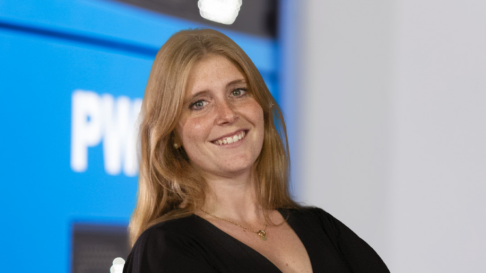
Katharina Krawinkel
Krawinkel is Regional Executive Director for Latin America at PWM, a German family-owned company, where she represents the eighth generation. PWM produces LED price signs and displays for service stations, along with software to centrally manage prices and commercial content across forecourts and convenience stores.
"Latin America is not a market you can manage from far away. You have to be very attentive, which is why we work with partners who have stronger connections with white flags and the big oil companies."
"The experience of the station, offering something extra that the consumer can only feel there, is worth much more than just filling up."
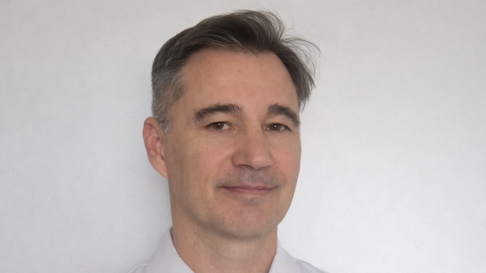
Luigi Sisto
Sisto is CEO for Argentina, Uruguay, Chile, Panama and Costa Rica at Tecsofuel, which represents several equipment brands in Latin America, including Mepsan. The company was founded around 12 years ago to serve white-flag stations in Chile and today also works with oil companies and larger groups.
"In Argentina they ask you for one thing, in Chile for another, and in Uruguay the processes are long and exhausting. You have to go and prove that products from Germany, Spain or France meet the requirements, even though they are already installed in demanding markets."
"Fully automating the station will allow the traditional operator to gradually migrate to new business hubs. The big companies already have this clear, but the white-flag operator is falling a bit behind."