A look at unified systems for omnichannel journeys
How integration across experiences and payments raises expectations, strengthens security, and streamlines digital journeys, with insights from Invenco’s Dan Harrell and Pilot’s Ginny Holmes.
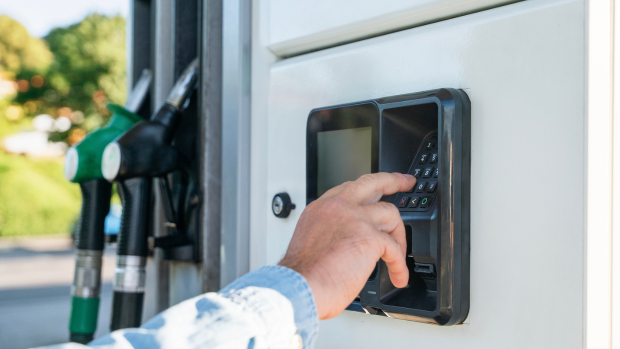
In recent years, mobility and convenience retailers around the world have been upgrading their apps and loyalty programs to meet rising customer expectations and unlock new avenues for engagement. These enhancements include expanded payment options, deeper personalization features, gamification strategies, saving opportunities and more additions designed to simplify the customer journey and elevate the overall experience.
This evolution is driven not only by technological innovation but also by retailers’ need to stay relevant and strengthen their connection with today’s consumers. At the same time, it introduces new challenges, as retailers must now navigate new cybersecurity requirements and the complexities of integrating the right technologies into their existing infrastructures to support each specific objective. So, what ultimately matters most to retailers and providers as they modernize the virtual customer experience for today’s expectations?
Fragmented systems meet unified expectations
One thing that has become clear is the omnichannel nature of today’s customer journeys. This is especially evident in the payment experience, which can now happen inside the car, at the pump, through an app, inside the convenience store, or while charging an electric vehicle. As Dan Harrell, VP of Product and Enterprise Solutions at Invenco, puts it: “Retailers are trying to meet customers where they are.”
Even when compatibility with new digital standards exists, legacy systems still represent a significant cost barrier to achieving true omnichannel modernization. Harrell acknowledges this and outlines three forces reshaping modern digital experiences: fragmented systems that are reaching their limits, customer expectations that are rising faster than infrastructure can adapt, and payments increasingly becoming a strategic control point for retailers.

“Retailers are juggling multiple payment engines, loyalty integrations and certification cycles. Every new touchpoint adds cost and complexity,” he explains. With all roads seemingly leading toward unification, Harrell believes that connecting data and workflows is key to delivering a consistent experience across the entire station: “Retailers need infrastructure that simplifies operations while enabling new digital experiences – not one that forces them to choose between the two.”
Unified design meets everyday use cases
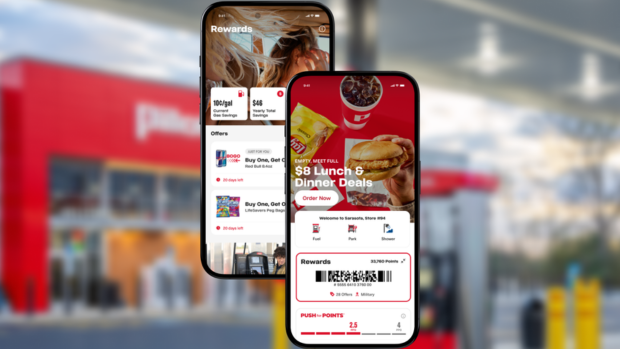
At the surface level, Pilot Company has recently relaunched its app to streamline the experience across its entire network of travel centers, offering a more unified journey for both professional drivers and everyday consumers. Separate profiles within a single platform allow each user group to see the amenities, offers, and rewards most relevant to them. While fuel pricing and restaurant information can be useful for any driver, showers availability and parking reservations are essential for professionals, allowing all customers to save time and plan their routes more efficiently.

“We know how busy life on the road can get, so it was important for us to implement these enhancements to reduce friction and help drivers spend less time managing logistics and more time focused on the miles ahead,” describes Ginny Holmes, Director of retail and digital products at Pilot. She highlights hyper‑personalization and omnichannel consistency as key pillars of the redesign, demonstrating how a unified foundation enables a more coherent experience across every journey.
This approach also extends to offers and payments, with the new platform serving as a centralized hub where rewards and promotions coexist seamlessly. A simplified interface brings payments and loyalty together in a single step, enabling faster and more intuitive checkouts. Holmes captures the importance of the overhaul succinctly: “Today’s drivers expect experiences that adapt to their individual journeys.”
Security demands meet dependable infrastructure
As retailers introduce new and more sophisticated digital touchpoints, cybersecurity becomes an increasingly critical concern, with new threat vectors emerging as compliance standards tighten. Beyond modernizing hardware with built‑in security features, Harrell also underscores the importance of “creating centralized controls and remote management capabilities.” This fastens and adds consistency when deploying updates, certifications and new payment types.
Resilience and continuous innovation also play a crucial role when updating operating systems and digital touchpoints. Whether a system goes down unexpectedly or needs to be updated to support a new feature, operators and retailers must have the assurance that these processes will not disrupt day‑to‑day operations. “As we introduce upgrades that increase ease and speed for users, we are simultaneously upgrading the infrastructure behind the scenes to keep user data and transactions safe,” exemplifies Holmes.
However, taking these adjustments and precautions into account is worthwhile when the long‑term benefits outweigh the risks. To navigate this balance, Harrell emphasizes evaluating investments through two key lenses: customer engagement and operational efficiency. “Convenience is working when customers engage more often and the retailer can evolve the payment environment with less effort, not more,” he concludes.
Ultimately, unifying the systems behind the scenes with the experiences customers engage with is proving to be a powerful strategy for retailers striving to stay ahead in an increasingly complex mobility landscape. This approach enables consistent, secure, and engaging journeys that can evolve just as quickly as their customers do.
Written by Gonzalo Solanot