Argentina: YPF and Accenture to improve fuel supply at stations
Both companies are in the process of developing a platform to improve the availability of energy and its transportation through their network in the country.
YPF and Accenture have announced a partnership to develop a digital platform that improves the planning and scheduling of fuel supply and transportation. The software is based on data gathering and production to dynamize the decision making in this aspect.
The new tool can project in a few minutes when operators run out of product and need to restock. Thanks to this, YPF can anticipate any stock shortage and guarantee the availability of fuel for customers. Users will be able to create routes automatically to solve fuel shortages thanks to the information provided by the application, always respecting health, safety and environmental regulations.
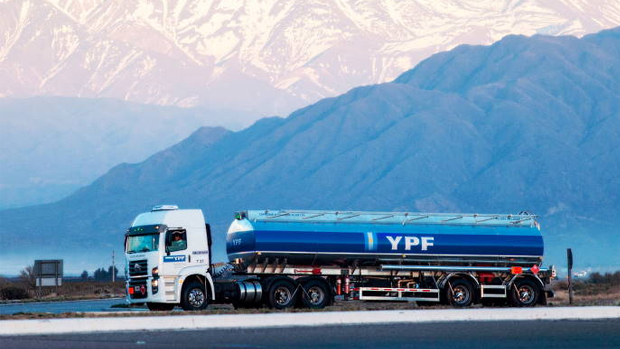
"YPF reaches daily, from its 20 distribution centers and through a fleet of 2,500 trucks, more than 1,600 service stations and more than 8,100 total customers to provide fuels, LPG and chemical products throughout the country," commented Mauricio Martin, YPF's Vice President of Downstream to the local media.
In an article published by the local media outlet Ámbito Financiero, the companies stated that this development will improve the availability of fuel en forecourts and its transport and logistics efficiency. This will reduce stock outs, promoting customer’s trust by ensuring that they will always be able to refuel at any of the company’s facilities.
"We know that in many localities YPF provides the only service station. The commitment to guarantee supply in every corner of the country is a priority for us. At the same time, the timely transportation of our products is especially vital and complex, especially considering the additional challenges of minimizing the carbon footprint, increasing road safety and improving efficiency," Martín added.
This integration is also useful for employees, by supplying more and better tools to streamline their work routine. The system synchronizes with the transport vehicle’s arrival to unload its cargo so that the customer can receive his order and before his fuel runs out.