Dover Fueling Solutions Looks at Fuel Station Friction Amid Rising Fuel Prices
Ad
Rising fuel costs aren't the only challenge facing fuel retailers. From pump downtime to payment delays, small disruptions can quickly send customers elsewhere. Explore the latest consumer insights from Dover Fueling Solutions and learn what's shaping the future of the fuel station experience.
Rising fuel prices have been felt by motorists throughout Europe. In the UK, as of the end of March 2026, RAC Head of Policy Simon Williams pointed out in an official statement that “diesel has now climbed to an average of 182.77p a litre, which means the cost of filling a typical 55-litre family car has breached £100 (£100.52) for the first time since early December 2022. With petrol now at 152.83p, a full tank is setting drivers back £84”.
ADAC analysis has also revealed that as of 31 March 2026, one litre of diesel costs (on average) €2.164 in Germany, the highest price ever recorded.
Furthermore, the weekly data published by the European Commission in its Oil Bulletin and picked up by Euronews revealed that drivers in the Netherlands paid the highest petrol prices in Europe in March 2026, averaging €2.17 per litre early in the month. French motorists had also seen their petrol prices increase by around 2%.
Increasing fuel prices did not seem to stop many people from going away across the four-day Easter bank holiday weekend though, with a study by RAC and traffic analytics specialists INRIX suggesting that almost 21 million leisure journeys had been planned for that period alone.
More bank holidays, the start of the summer holidays, and increased rates of road trips as the weather improves in the next few months could be met with fuel pricing and availability challenges across the continent.
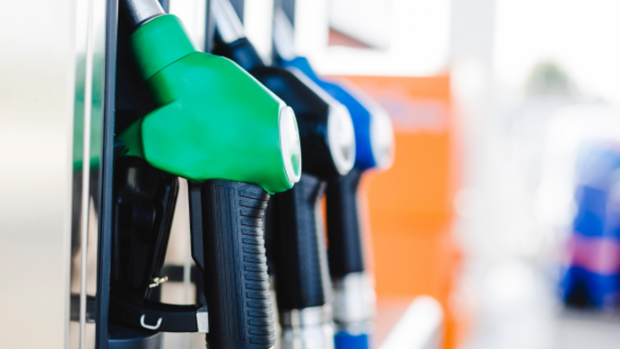
When systems do not work, and expectations of speed and reliability are not met, even small disruptions can lead to frustration, delays and, in some cases, customers leaving a fuel station and switching to another location – potentially a competitor site.
A survey within Dover Fueling Solutions® (DFS)’ Beyond the Pump report involving 1,200 consumers across the UK, France, Germany, and the Netherlands underlined this point, with 63% of consumers in France stating they would not return to a fuel station if equipment failed or was out of use. This highlights a low tolerance for downtime across all equipment.
In fact, the research points to a clear shift in how consumers approach fuel station visits. What was once seen as a quick, functional stop is now expected to be efficient, seamless and, increasingly, multi-purpose. Most visits are completed in under ten minutes, making speed a baseline expectation, while consumers also expect to complete multiple tasks in a single visit, from fuelling and payment to retail purchases and parcel collection.
Reliability has become a key driver of loyalty, and when systems fail or delays occur, even briefly, it can directly influence whether a customer returns. At the same time, changing behaviour is reshaping the role of the fuel station itself. Data from Lumina Intelligence shows that only a quarter of shoppers now visit purely for fuel, with over half entering for food and drink, and a significant proportion of purchases being unplanned.
This reflects a broader shift towards convenience-led experiences, where customers expect fuel stations to offer more than just fuel.
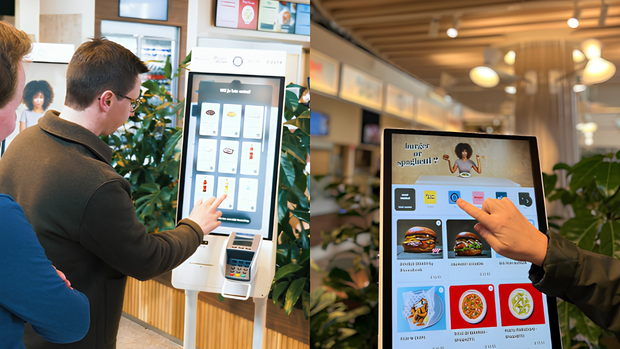
The Three Stages of Fuel Station Friction
The research also highlights three key stages of the fuel station journey where friction most commonly occurs:
- Accessing fuel
- Completing payment
- The fuelling process itself
Delays when entering a fuel retail site, queues at the pump and time spent waiting before a transaction has even begun can create immediate frustration. This can be compounded at the point of payment, where slow or failed transactions, card issues or unresponsive systems interrupt what should be a quick and seamless process.
Issues with pump reliability or equipment downtime can also prevent customers from completing their visit altogether.
These friction points rarely exist in isolation. When they occur in combination, they can significantly disrupt the customer journey, increasing the likelihood of consumers leaving dissatisfied or even abandoning a transaction before it starts.
Kurt Dillen, DFS Vice President and General Manager, Commercial EMEA & SAL, recommends: “To improve the consumer experience on any fuel site, retailers need to understand their customers. The truth is, most fuel retailers overlook the importance of the customer journey, which, if executed well can reveal opportunities for business improvement, increased customer satisfaction, and enhanced brand loyalty.”
“If retailers commit to optimising their customers’ journey, long-term, happy, and satisfied customers will return time and time again.”

New analysis of online conversations about petrol station experiences, conducted by DFS using the social listening platform Brandwatch, supports this pattern, with queues, payment issues, and equipment reliability consistently highlighted as common sources of frustration.
The commercial impact of these experiences is significant. With 71% of UK consumers and 75% of those in the Netherlands visiting fuel stations regularly, often multiple times a month, even small disruptions can have a disproportionate effect on customer retention.
Stefano Scatena, Senior Director and General Manager, ATG & WSM at DFS, said: “Traditional pump-first thinking is giving way to fully integrated, service-led forecourts where convenience, speed and choice matter as much as the fuel itself.”
“The most successful fuel retailers recognise that every visit is an opportunity to deliver a consistently positive experience. When that expectation isn’t met, customers are increasingly willing to go elsewhere.”

Friction on a fuel site should not be regarded by retailers as just an inconvenience. Instead, it must be seen as a customer experience failure point that can be the direct driver of lost revenue and increased switching behaviour.