Op-ed: What's next for food-to-go — five trends to watch
Salads are booming, chicken chains are crossing the Atlantic, and food halls are reshaping smaller spaces. Gavin Rothwell, founder of Food Futures Insights, shares his view on the key opportunities ahead.
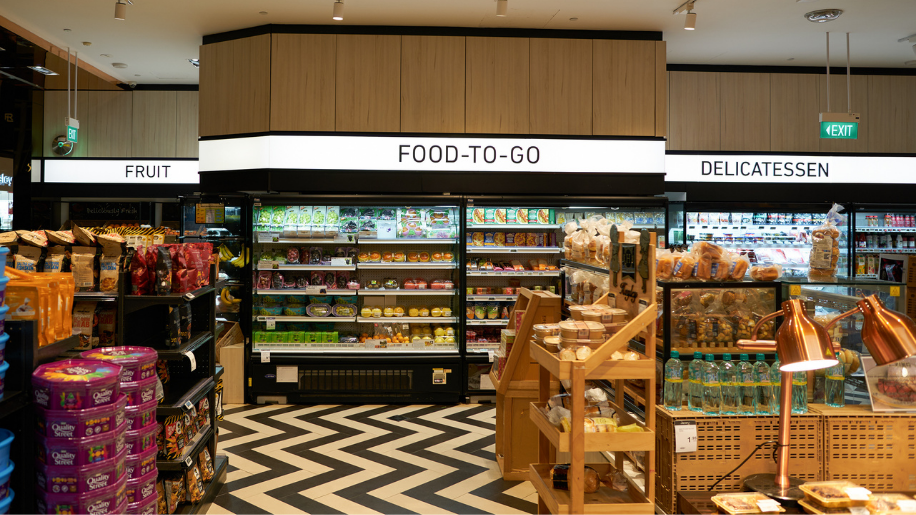
Healthier, fresher options are growing across key markets
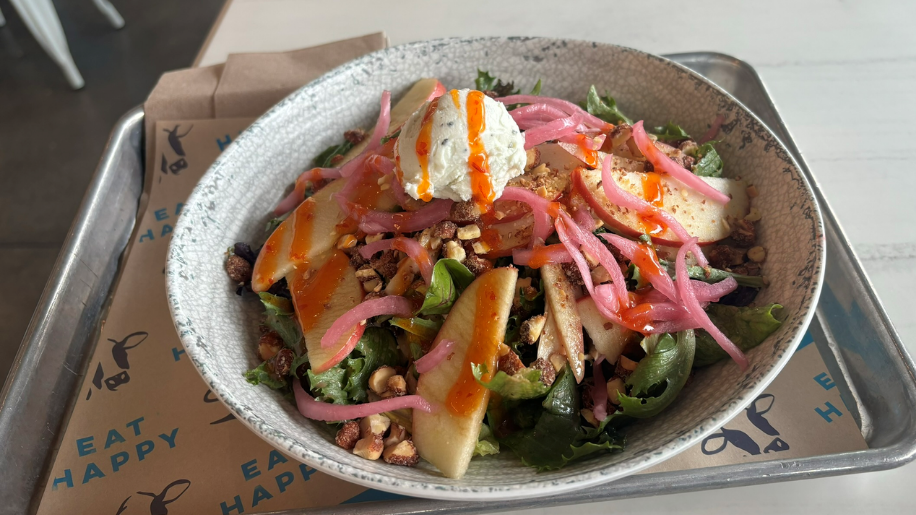
The trend towards salads and bowls is now in full swing across many European cities. In its current form, it’s a trend imported from the US, where the likes of Sweetgreen and Dig Inn have blazed a trail that has now spread across the Atlantic. But while these two operators are most famous for salads, the proposition is moving well beyond that. The development of hot bowls, protein plates and wraps based on quality fresh ingredients is permeating more and more across both sides of the Atlantic.
London is a great example of how this is evolving. There are several local operators in expansion mode, including The Salad Project, atis, Urban Greens and perhaps the most famous operator of this type, Farmer J (home of the field tray). But in addition, we are now witnessing new entrants from across Europe: Honest Greens from Spain opened last year in Soho, while Holy Greens from Sweden has opened at Canary Wharf within the past few weeks. And we’re seeing London concepts expand internationally - Farmer J is already trading in New York, while The Salad Project opens later this month in Paris.
Offering the essence of the magic and freshness of these formats is something that many food retailers – large and small – are looking to do, and, with the right approach, skill set and disciplines in place, it’s a key opportunity in the market on roadside as well as in city centre and residential locations.
Continuing focus on protein, which for many translates to chicken
Protein isn’t going away as a growth area. And while some see fibre as the next big thing, and there are some great initiatives under way here, it’s unlikely to capture the heights and scale of protein. So, and based on the activity of leading food-to-go operators, we’d advise most mainstream oriented clients to ensure they’re making the most of developing their protein offer before focusing on fibre.
One major way this exhibits itself is through the continuing attraction of chicken. And it’s perhaps no coincidence that this ties in with the expansion of several significant North American chicken chains across Europe, adding new excitement and interest to this part of the QSR market. London - and more broadly the UK - has been an attractive entry point for Dave’s Hot Chicken, Chick-fil-A and Raising Cane's, which will debut in the UK in early 2027.
Snacking: sharper targeting, more spectacle
Many of us eat more than three times a day. And crucially for those in between missions, consumers are becoming much more demanding in what they want to consume. Think of it less as a distress purchase and more of a pick-me-up; nutritional strength is becoming increasingly important here. Clearly there’s still a significant opportunity for more indulgent snacking, but consumer demands are increasing here as well.
So it’s perhaps not a surprise that snacking is a category that is evolving fast. This is perhaps most extreme in the leading UK supermarkets and their convenience stores, in no small part inspired by the inclusion of snacks in their hugely popular meal deal propositions. Originally the choice was between different flavours of crisps; now the range can cover over 200 lines across fresh fruit, hot savouries, tapas style snacking and sweet baked goods, as well as the traditional stalwarts.
Thinking differently about the drinks opportunity
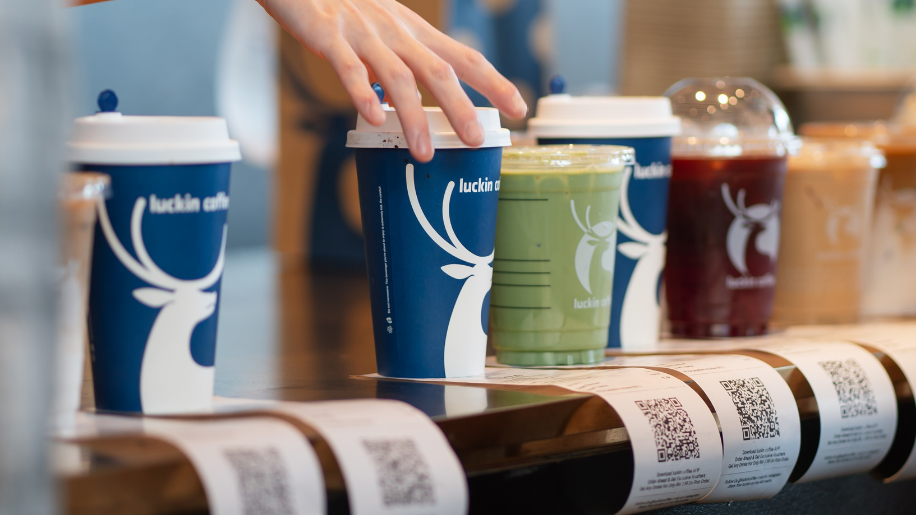
Coffee is the mainstay for many of us, especially on the roadside, but more operators are considering how to stretch their range to target more missions and more customers. Step one here is perhaps to look at how you can offer iced coffee, as many Irish convenience stores have done. Step two is to go beyond that into other drinks, and the one that has been prominently in vogue over recent years has been matcha. What’s fascinating is how this has appeared on more coffee shop menus over the past few years, led by the success of specialists on the one hand but also operators like Blank Street Coffee, which globally now makes around half of its sales from matcha. And the matcha enthusiasm is showing longevity, and is encouraging more experimentation within the category and beyond.
Bringing the food hall experience to smaller spaces
For a variety of reasons, food halls have been expanding fast across much of Europe – Brussels and Warsaw, for example, are two cities where they’ve had a major impact. The ability to offer a wide range of menus from one space is attractive to more and different consumers. And it’s something that is increasingly coming to more locations – with Denmark’s Noahs leading the way with partners including Q8 and Maxol. The latest build across this part of the market comes from Delhaize, initially in Luxembourg, but with Belgian stores on the way – its new concept Cravy follows similar principles in a tight in-store production model that offers multiple cuisines and dishes through the day to meet different needs.
Consumers are demanding more and better food-to-go solutions, and staying on the front foot is what lets operators take advantage of that shift. Upgrading a food-to-go proposition can look like a huge leap, but the operators who've made the most progress have tended to follow the same path: a step-by-step approach with success measured along the way. The recommendation is to stay close to the market, keep the end goal in mind, and work through that staged approach to get there.
Gavin Rothwell founded Food Futures Insights in 2019 after nearly 14 years at IGD, where he led food-to-go and retail insights research. He runs food-to-go safaris across Europe and beyond to help clients innovate, collaborate and grow, providing a first-hand look at concepts and trends shaping the category's next moves.