Foodservice's real competitor isn't the QSR next door, it's next year
Fuel and c-store retailers are leveraging upscale foodservice to drive foot traffic, but rising labor costs and operational complexity threaten long-term margins, risking the sustainability of this model.
You pull into the gas station with a dashboard light nagging you about the fuel gauge. But the gas isn’t the only thing that got you off the highway. It's the promise of your hot beverage of choice, made exactly the way you like it, at a counter that's become as familiar as your usual café. You fill the tank, walk in, and order it without needing to check the menu, plus something quick to eat. You find a stool by the window, answer three emails, finish the coffee, and you're back on the road fueled up in more ways than one. The store did the work before you ever pulled in.
That frictionless stop is exactly what the industry has been building toward. Across markets, fuel and convenience retailers have poured resources into menus, partnerships, chef collaborations, and loyalty integrations designed to turn a five-minute fuel stop into a food occasion. Consumers are increasingly choosing food-to-go according to McKinsey, a broader retail signal that menu strength, not just location, is what pulls people through a door. And by most measures, it's working.
But none of this is entirely new. Fuel and c-store retailers have leaned on food for decades. What's changed is the ambition, as food concepts ask far more of a kitchen, a crew, and a balance sheet than a franchise license ever did. Whether the industry has learned from its growing pains, or is simply setting itself up for new ones, is still an open question.
Fast food, slow burn
The first cold bath comes straight from the industry's own numbers. Even as foodservice sales climbed, the average U.S. convenience store logged 45,160 transactions per month in 2025, a 2.7% drop from the year before, according to NACS. Retailers are selling more food, to fewer people walking through the door. The growth story and the traffic story are no longer the same story.
Labor adds another layer of pressure, ranking among the industry's top challenges. The average U.S. store now employs about 20 workers, and once labor, goods, and facility costs are factored in, NACS data shows the industry actually lost seven cents on every in-store transaction in 2025. The pressure isn't unique to convenience retail, or to the U.S. Europe's broader foodservice and hospitality sector, the same entry-level labor pool most c-stores and stations also draw from, remains short around 10% of the workforce it needs, according to a January 2026 HOTREC report. A concept can be signed in a season, the team required to run it well takes far longer to build.
Sometimes that gap wins. In 2017, Hy-Vee brought Wahlburgers, the celebrity-fronted burger chain founded by the Wahlberg brothers, into its grocery stores as an in-house concept. But a grocery operator's strengths didn't translate into restaurant-grade execution, and the format never quite matched what Wahlburgers needed to feel like itself, as Hy-Vee closed all 79 locations by early 2025. With retailers continuing to raise their foodservice ambitions, the long-term success of any concept depends not just on attracting attention, but on building a model capable of adapting and enduring.
“The most important thing is to build the kind of food program that’s worth being loyal to,” says Frank Beard, Principal at Konbini Strategy. He points to a recent survey of Japanese workers, which found that the majority prioritized quick or good value lunches. For him that's exactly the space convenience retailers should be racing to fill: becoming “a first choice rather than a last resort.” “People need alternative solutions for convenient food on-the-go, and the convenience store is the right format to provide that,” he concludes. Fast doesn’t necessarily mean convenient sometimes.
The roundtrip
But operations are only half the equation. The other half sits with the customer, and depends on whether a concept continues to resonate after the novelty wears off. This kind of loyalty is often built beyond culinary preferences, by fitting naturally into customers’ routines, solving a specific need, or creating an emotional connection that keeps them coming back. Sometimes, that connection is built through a series of small victories that add up to something much larger: genuine brand fandom.
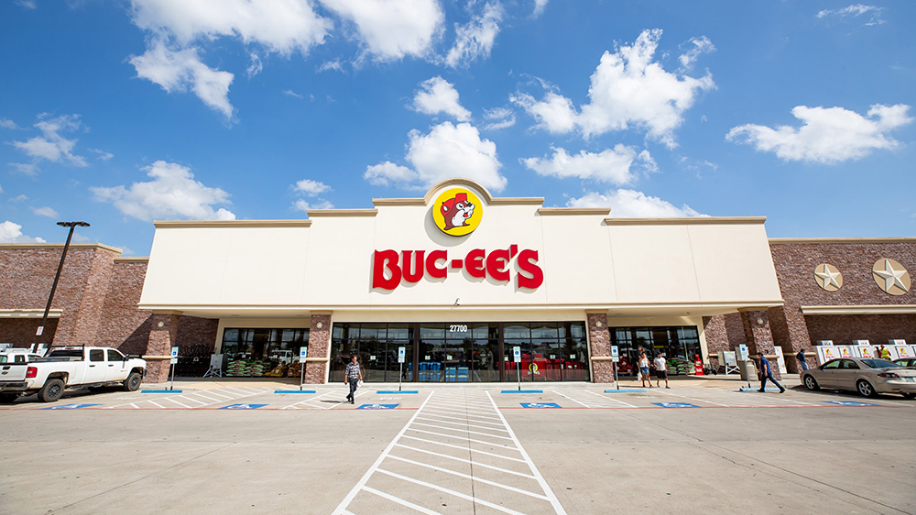
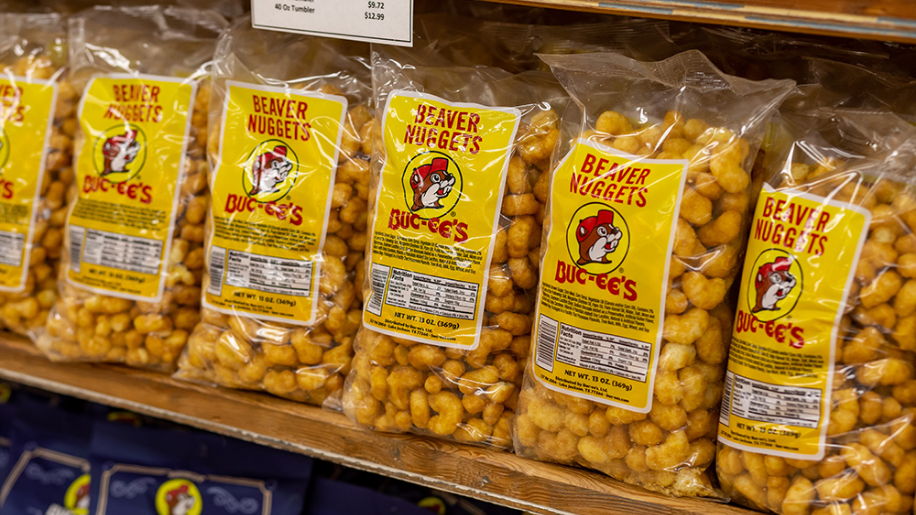
Few examples illustrate this better than Buc-ee's. The Texas-based chain has turned a roadside stop into a destination, building a level of fandom that extends far beyond fuel or food. It's a reminder that the most sustainable concepts are often those that give customers a reason to return that outlasts the menu itself. This experiential model fits with the ambitions of mobility retailers who are increasingly looking to extend customer dwell time and unlock higher-value, multi-category transactions beyond the pump.
The connection isn't left to chance. “Stores getting bigger and flashier is the visible part for consumers; all the hard work behind the scenes is what they never see, but keeps them coming back,” says Jake Kiser, General Manager of PAR Retail. He points to a rock-solid data infrastructure, one that connects food quality with loyalty based on individual behavior, not standard deals; as the real foundation for sustainability. For most customers, loyalty is more transactional than devotional, as research shows only around a quarter cite brand attachment as the reason they come back.
Although this “fandom” approach has been replicated and is one retailers around the world plan to emulate, few concepts break through the noise, and fewer stay consistent. “Providing the same level of experience at each location has as much to do with your technology as it does with your branding,” describes Kiser. Consistency, not fandom, is the benchmark most operators can realistically hit.
Secret sauce
Menu rotations, partnerships, and innovative concepts aren't the only way for retailers to achieve relevance, but they're often good openers. In Argentina, for example, Shell recently partnered with a celebrity chef on a specialty pastry offering designed to make its stores part of consumers' morning or after-work routines, echoing Axion Energy's success in turning sandwich purchases into a destination occasion. The bet isn't always on becoming a destination, sometimes it's on becoming a habit.
These "attractions" rarely define a retailer, because differentiation was never about borrowing someone else's identity. Retailers already have their own branding, and building habits around it, one product at a time, can reinforce that identity rather than replace it. Some retailers reached that level of differentiation long before it became an industry talking point.
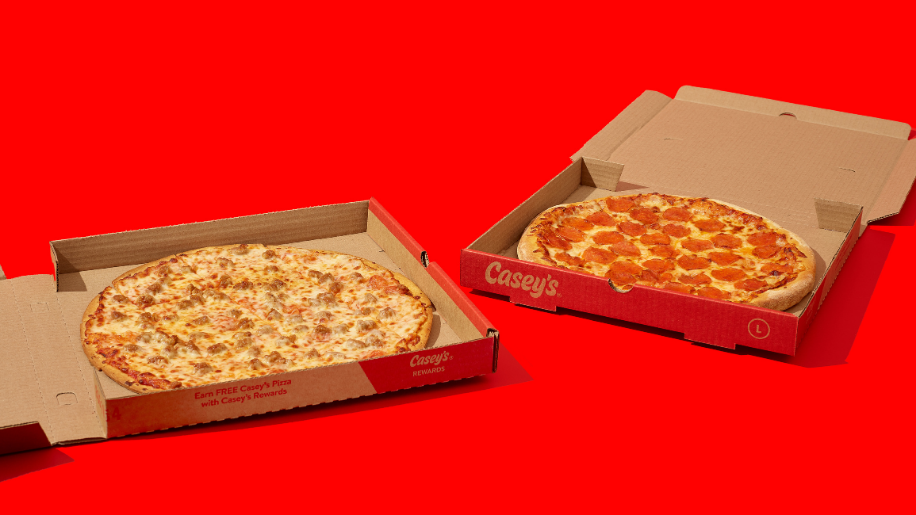
That distinction is reflected in retailers such as Casey's. Pizza has been part of the chain's DNA for decades, a category the company has kept rebuilding on its own terms. "We respect the heritage of our pizza, but we're always listening to guests and looking for ways to make it even better," says Brad Haga, SVP of Prepared Food & Dispensed Beverage at Casey's. The heritage and constant iteration pairing is what has kept a decades-old menu item from calcifying into nostalgia. "Years ago, guests were primarily looking for speed and availability," Haga explains. "Today, they want convenience, quality, value and personalization, all at the same time."
For Casey's, differentiation was never about outrunning the trend cycle. "The risk in any industry is chasing trends simply because everyone else is doing it," Haga says. "When you focus on delivering something authentic and meaningful, you naturally stand apart." Four decades in, Casey's pizza program is proof the real competitor was never the store across the street, it's staying good enough, for long enough, that guests never have reason to look.
Apart from QSRs and other competitors, retailers will have to face their own performance next year. Convenience store operators now call foodservice a strategic priority, and industry researchers project food eaten away from home will be a $1.2 trillion market in 2026 alone. The kitchen isn't optional anymore. Real value, consistency and differentiation are, and all have proven to be gamechangers in their own right.