Flexible transactions beyond the digital outage
The disruptions caused by the recent global CrowdStrike outage exposed vulnerabilities in security systems. The issue prompts an examination of comprehensive payment ecosystems and strategies for mitigating similar scenarios in the future.
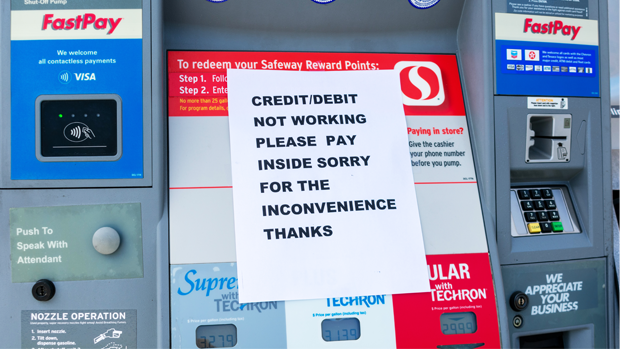
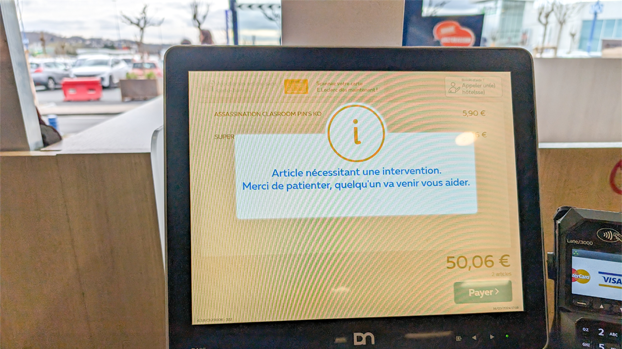
On July 19, millions of Windows systems worldwide were impacted by a bugged software update from cybersecurity firm CrowdStrike Holdings. This left computers unable to boot, triggering a global IT outage that caused significant disruptions across various industries. Retailers worldwide experienced interruptions in both payment and mobile ordering systems, forcing some to revert to cash transactions. Initial estimates suggest that this incident could have resulted in a total direct financial loss of $5.4 billion for U.S. Fortune 500 companies.
This sudden and widespread system failure has raised critical questions about the growing dependence on digital systems. Discussions are focused on the role of cash in modern transactions, the effectiveness of cybersecurity measures, and the potential frequency of such crashes. What lessons can be learned from this experience? How can the industry address this in a similar scenario?
Redefining priorities
In an official statement, Founder and CEO George Kurtz explained that the CrowdStrike outage was caused by a bug in a “content update for Windows hosts,” refuting rumors of a cyberattack. Although most of the interruptions were solved within 24 hours, damage to operations and supply chain had already occurred, prompting companies to reflect on their systems' vulnerabilities. This also led specialists to focus on digital resilience and the need for continuous assessments.
On the other hand, payment advocacy organizations from around the world shared their perspectives on the consequences of this crash and the role of physical transactions in the digital age. Ron Delnevo, Chairman of the British Payment Choice Alliance, emphasized that “there will always be outages,” underscoring the importance of offering alternatives to electronic payment systems. The consideration of these disruptions seems to be changing from unlikely occurrences to potential scenarios for which retailers need to be prepared.
Data from the Uptime Institute, an advisory organization on business-critical infrastructure, indicates that global outages are increasing annually alongside the growth of the IT industry. Although this is not as fast as IT expansion, the frequency of outages remains relatively high and consistent.
This context could lead to a shift in industry mindset. Instead of focusing on minimizing the risk of system failures, the emphasis may now be on ensuring that retailers are well-prepared for potential disruptions. This shift can boost a focus on providing alternative options to meet customers’ expectations, rather than the speed of payment processes on terminals or charging stands.
Creating safety nets
This underscores the growing need for resilience—a concept that is becoming increasingly important across various aspects of the fuel retail industry. Achieving this involves not just implementing cutting-edge solutions, but also adopting a direct approach to operations, such as offering diverse payment methods and enhancing the overall shopping experience. This helps minimize the impact of disruptions on both operations and customer experience.
Additionally, the mobility revolution is teaching global energy giants and small to mid-sized retailers the importance of adaptability. Apart from integrating alternative fuels, this also involves developing a flexible ecosystem, training employees, and monitoring potential threats to enable them to effectively pivot when necessary. Such care can be a significant advantage in risk mitigation, as even small disruptions can impact overall operational performance.
Retailers must also be aware of the risks associated with offering digital transactions to their customers. Data encryption is not uniformly adopted across the industry, highlighting a need for increased awareness and implementation. As sensitive data becomes more prevalent, stronger defenses are required, prompting companies to invest significantly in cybersecurity. While adaptability and monitoring are key to creating safe customer experiences, making the necessary investments is also crucial.
Despite the global impact of CrowdStrike’s outage, digital solutions continue to expand and evolve, countering any Y2K-style fears about digitization this experience may trigger. Even cash handling solutions are exploring the integration of AI and machine learning to enhance usability. While better and simpler payment solutions will always find a way among customers, a diverse range of options can lead to reduced disruptions.