Gilbarco Veeder-Root, Connected for What's Next: Key Trends Ahead of NACS 2026
Ad
As convenience retail leaders gather at NACS 2026, many are focused on a common challenge: delivering exceptional experience while maintaining increasingly complex operations. From keeping critical assets running to modernizing the checkout experience to integrating EV charging solutions, retailers are being asked to do more across every corner of the forecourt.
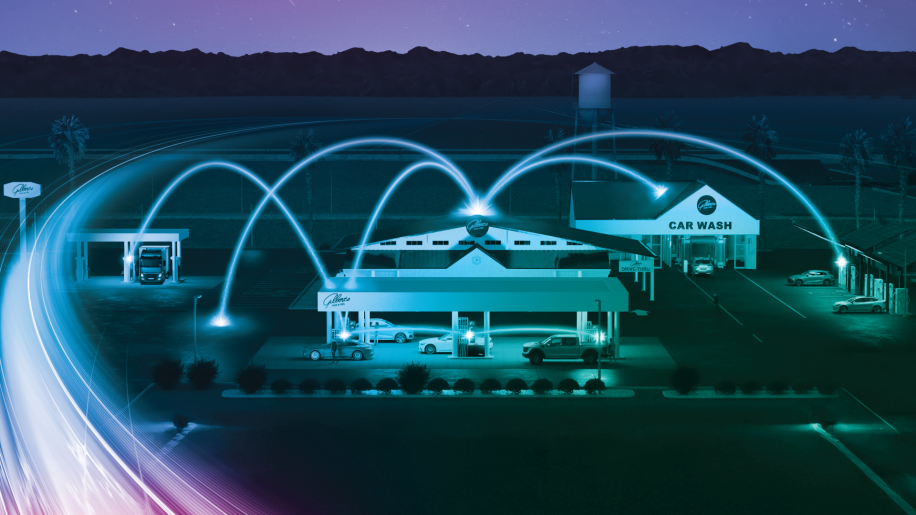
Success depends on connectivity. Retailers have access to more data than ever before, but the real opportunities lie in connecting systems, people and insights to improve uptime, operations and ROI. That’s why conversations across the industry are shifting from individual product innovations to integrated ecosystems.
Payments as the Connective Tissue
Payments are no longer simply the final step in a transaction. Increasingly, they serve as a critical connection point between consumers, retailers and the broader technology ecosystem.
Today's consumers expect fast, seamless and flexible payment experiences whether they are fueling at the pump, ordering food, shopping in-store or charging their car. At the same time, retailers are seeking ways to connect those transactions with loyalty programs, operational systems and consumer engagement strategies.
The result is a growing focus on unified commerce experiences that bring together payment technologies, point-of-sale systems and customer data. By creating more connected experiences, retailers can simplify operations while delivering the convenience and personalization that modern consumers increasingly expect.
Connecting the Forecourt, Store and Beyond
One of the biggest challenges facing convenience retailers is the number of systems required to keep a site running. Fuel dispensers, tank monitoring equipment, payment platforms, environmental compliance systems, logistics solutions and emerging EV charging infrastructure have historically operated in separate environments.
Across the industry, retailers are placing greater value on solutions that connect operational data across the forecourt and store. A more unified view of the business helps operators improve asset uptime, identify issues before they lead to disruptions and make better informed decisions about performance and maintenance.
The ability to remotely manage all your critical assets is becoming particularly important as retailers seek to reduce downtime, improve reliability and maximize returns on existing investments. For many operators, the next phase of innovation is not simply collecting more data. It is creating smarter ways to interpret and act on it.
This drive toward connectivity reflects a broader industry shift. Rather than investing in individual technologies to solve isolated challenges, retailers are increasingly looking for integrated ecosystems that help them manage operations more holistically.
Turning Data into Action with AI
The convenience retail industry generates an enormous amount of operational data every day. Fuel management systems, payment platforms, forecourt equipment and site infrastructure continuously produce valuable information about performance and consumer activity.
The challenge is making that data meaningful.
As artificial intelligence and advanced analytics continue to evolve, retailers are exploring new ways to convert operational data into actionable insights. From identifying maintenance needs before equipment failures occur to improving site performance through remote monitoring, AI-powered solutions can help operators become more proactive, efficient and resilient.
These capabilities are already taking shape across the Vontier portfolio. In EV charging, AI-powered solutions are helping operators turn charging, energy and customer data into intelligent, more profitable, systems. AI also creates new opportunities for personalization. DRB’s Autonomous Sales Agent, when launched, will leverage point-of-sale data to deliver conversational selling experiences at car wash kiosks and better track customer engagement metrics.
For many operators, this next phase of innovation is equally about enhancing operational performance and improving customer experiences.
Preparing for the Future of Mobility
The future of convenience retail is inherently linked to the future of mobility.
While traditional fueling remains essential, retailers are also evaluating how EV charging and other emerging mobility solutions fit into their long-term strategies. Success will depend on the ability to integrate these new technologies into existing operations while maintaining a seamless, consistent consumer experience across every touchpoint.
As mobility continues to evolve, operators will need flexible technology ecosystems capable of supporting both current business needs and future opportunities. This is driving increased interest in solutions that can connect payments, fueling operations, site management and mobility infrastructure through a common platform.
Looking Ahead
NACS 2026 arrives at a pivotal moment for the convenience retail industry. As operators navigate technological change, shifting consumer expectations and increasing complexity, the ability to generate meaningful returns from data has become a competitive advantage.
Retailers who can manage payments, fueling operations, asset performance and consumer engagement as integrated systems, rather than separate functions, can create valuable efficiencies. By creating a more unified ecosystem, operators can improve uptime, make faster decisions, deliver better consumer experiences and unlock greater value from existing investments.
Building a more connected, intelligent business that can adapt to evolving customer needs, capitalize on emerging mobility trends will remain a competitive advantage for retailers in a rapidly changing industry.
Visitors to NACS 2026 can learn more about Vontier's connected ecosystem for convenience retail at Booth C6623.