IONNA marks 100 charging sites as network expansion accelerates
Charging joint venture hits key milestone two years after its launch in the United States.
IONNA, the electric vehicle (EV) charging joint venture formed by eight global automakers, has surpassed 100 operational charging sites across the United States, marking a major milestone as the company celebrates its second anniversary. The network, now approaching 1,000 live charging bays, continues to scale as new locations come online nationwide.
According to the company, collaboration with utilities has been central to achieving this pace of deployment. Several major providers helped energize multiple sites within a year, while dozens more supported initial installations in their regions. Since early 2026, more than 200 bays have been added with the support of utilities including PG&E, PSE&G and NV Energy.
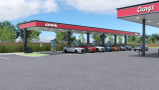
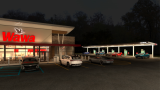
IONNA’s expansion is strengthened through a growing lineup of sites designed to support long‑distance EV travel. Recent full‑scale locations in Georgia and Colorado are already operational, with additional hubs currently under construction. The company is also preparing to open its second automated convenience store using Amazon’s Just Walk Out technology later this year in Dallas.
In parallel with the network milestone, IONNA is introducing its first automaker‑linked discount program. Launch timing will vary by brand, but participating drivers will gain access to base‑rate discounts with no subscription requirements, along with optional benefits such as charging credits, loyalty rewards and prepaid discounted packages.
To mark its anniversary, the company held community events across more than 25 locations, with the network dispensing over 100 MWh in a single day. It also announced that every new site activated this year will launch at an introductory price of $0.20/kWh for the first week to encourage drivers to test the service.
IONNA, founded by BMW, General Motors, Honda, Hyundai, Kia, Mercedes‑Benz, Stellantis and Toyota; aims to deploy more than 30,000 high‑power chargers by 2030.