Q&A with Óscar García (KPS): “We see no limits to where our piping can be installed”
We speak with Óscar García, EMEA Sales Manager at KPS, about how the company is expanding its piping solutions beyond fuel stations. From powering backup generators at critical facilities to supplying remote island resorts, he explains how the company is opening to new markets and raising industry standards for safe and efficient fluid transfer.
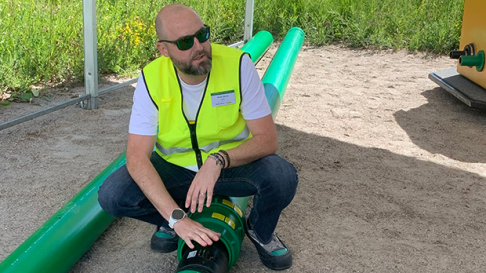
MobilityPlaza: KPS has provided piping solutions to the fuel retail industry since 1996. In 2013, you became part of the OPW (Dover) family. When did you start to look outside of gas stations for business?
Óscar García: For over two decades our focus was exclusively on making fuel transfer at service station forecourts as safe and easy to install as possible. Approximately five years ago, we decided to branch out and explore further applications and industries for our piping. It required a significant mindset shift – not just for us, but also for our distributors who were focused predominantly on service stations, and many of our target industries who were using steel piping as they had for many years.
The project timelines for applications outside of traditional service stations are also much longer. In fuel retail, orders are typically fulfilled within a week, but industrial projects can take a year or more due to detailed project definitions, multiple iterations of site layouts, material specifications, and design approvals. While these projects are more complex, they also use significantly more piping.
MP: What were some of the first sectors you identified as suitable candidates for KPS’ piping solutions?
OG: Our initial target markets were private and military fleet fueling, which share many similarities with fuel stations. From there, we expanded into other areas including marinas, ports and power generators. Backup and primary generators have become a key focus for us due to their focus on quality and performance, as they’re essential to critical facilities like data centers and hospitals. Many also have similar layouts to fuel retail stations, with fill lines running from remote fill points to fuel tanks, and from fuel tanks to generators.
MP: Could these new areas become a bigger business than fuel retail for KPS?
OG: We see no limits to where our piping can be installed – our only constraint has been the pipe diameter. That’s why as part of this journey, we developed our new 6-inch conductive double-wall piping system specifically for industrial use, which serves applications where high flow rates are required, such as railway fueling in the Middle East. The market potential is huge, and support from senior leadership has been crucial in allowing us to drive these innovations forward. Beyond expanding pipe sizes, we’ve also refined our fittings, reducing their size and cost without compromising quality.
MP: How many products has KPS launched since the beginning of this new chapter?
OG: In the last five years, we’ve launched/modified approximately 20 new products, including two completely new product lines: the 3-inch double wall piping system, which is predominantly used for fuel retail stations in Italy and Sweden as well as being popular for data centers; and the 6-inch double wall piping system, which is considerably larger than our previous offerings, enabling a higher flow rate (up to 2,500 liters/minute for applications like busy marinas). These are all designed, engineered and manufactured in Sweden for the EMEA region.
MP: How do trends in these new sectors compare to those in fuel retail?
OG: There are major differences. In fuel retail, plastic piping is standard, and cost is a driving factor. But in sectors like data centers, backup power, and marine fueling, clients prioritize quality, reliability, and safety over cost. We offer a high-quality, conductive plastic solution that meets stringent technical requirements and comes with robust warranty options, which makes it an appealing choice for industries that can’t afford downtime like data centers that handle financial information and primary generators for resort islands.
MP: In the debate between steel and plastic pipes, how are things developing worldwide?
OG: In my opinion, plastic piping is far superior for sensitive fluid transfer for the majority of applications. It’s technically more advanced, cheaper, easier to install, and requires minimal maintenance – there’s no need for regular checks or testing every six months. However, many industries have relied on steel pipes for over 30 years, and while they’re effective, for some applications, they are prone to corrosion, especially when located close to saltwater (e.g. marinas, harbors and ports) and are very heavy to maneuver when installing. Despite these challenges, specifications take time to change. We saw this initially with oil companies when we first launched KPS, which took some time to adopt plastic pipes, but now steel is rarely considered for forecourts. Changing ingrained habits and standards requires patience and time, even when our pipes meet all technical requirements.
MP: Can you provide a real example from one of these new areas you work in?
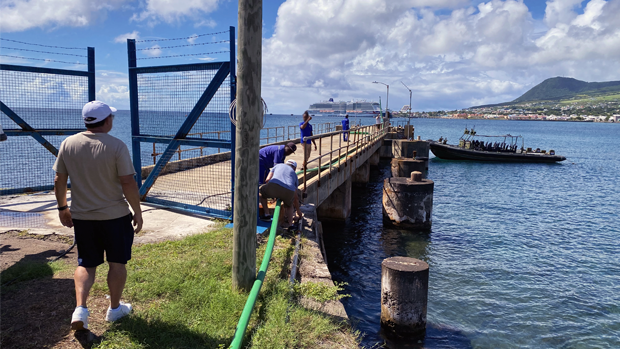
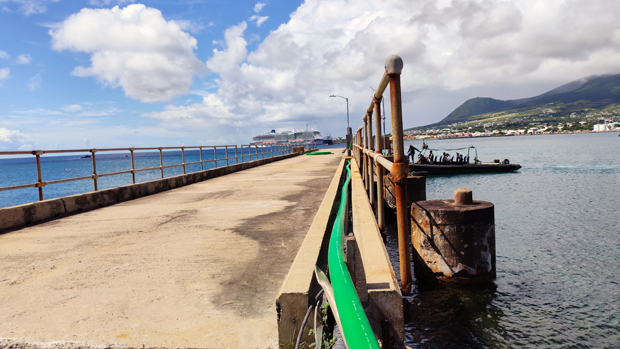
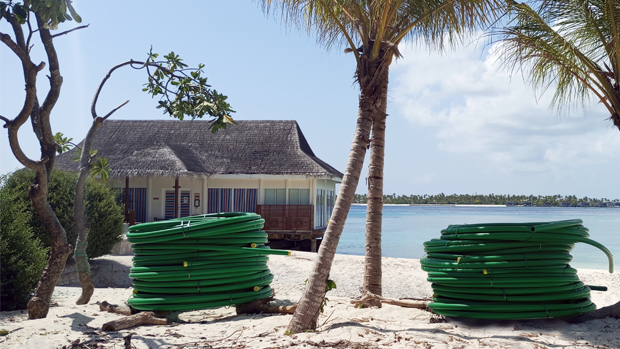
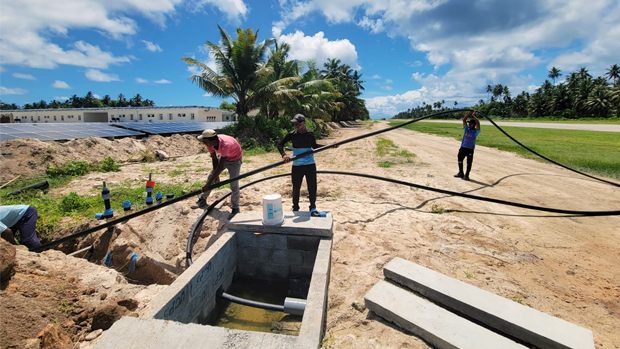
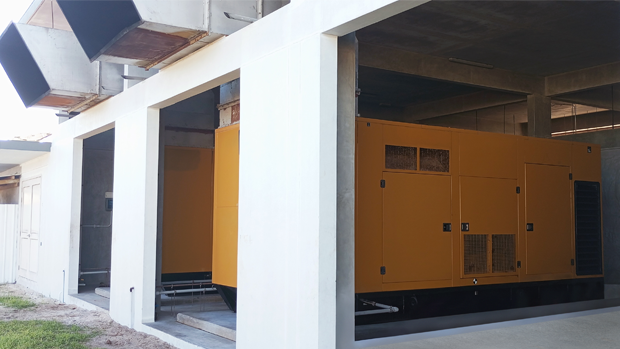
OG: One project involved a remote luxury resort on an island accessible primarily by private aircraft. The island relies on a set of massive generators and a solar plant to power everything, including pools, lights, and guest facilities. Since they don’t have regular access to supplies, they refuel these generators by boat and needed a durable pipeline to handle refueling from the shore to the tanks.
KPS piping allowed them to dig shallow trenches, lay the pipe, and avoid shutting down parts of the resort. If they’d chosen steel piping, they would have needed extensive concrete trenches and possibly cranes, shutting down sections of the resort for months. Instead, our solution enabled them to install quickly and with minimal disruption, creating a reliable power system for a high-demand location. These sites I attended personally to support the installation and provide training on the KPS piping system. In fact, we've completed several projects in South Asia, where we’re working to establish our pipes as the go-to solution for resorts, recognizing that our system minimizes environmental impact and logistical disruptions.
MP: In expanding into new areas, how does KPS balance creating demand versus responding to it?
OG: Right now, we're largely creating demand by showcasing the benefits of our products to decision-makers. Our piping is a tried-and-true product which has been used in fuel retail for decades and has a proven track record. Introducing it to new sectors requires us to educate clients on its benefits, particularly where they’ve traditionally used steel. Once they see the advantages, like simplified installation and enhanced safety, they often embrace the shift.
MP: Do you see double-wall pipes becoming the standard everywhere you operate, or is there still demand for single-wall?
OG: We’re strong advocates for double-wall piping, especially for fuel-related applications. It offers a crucial safety barrier by allowing for leak detection before any fuel has the opportunity to escape. If there’s an issue, double-wall piping can trigger an alarm (using a leak detection system) so it can be addressed immediately. In Spain, nearly 95% of fuel stations now use double-wall piping, and in environmentally sensitive areas like marinas and ports, the adoption rate is especially high. In cases where leaks could have severe environmental impacts, double wall is a must.
MP: Looking ahead, what are some of the goals you have for the next 10-20 years?
OG: As we expand into new sectors, our primary goal over the coming years is to work closely with power generator manufacturers. Unlike fuel stations, these large projects – such as leading technology brands’ data centers – involve many stakeholders, from contractors to electricians to suppliers, making it challenging to be part of the process from the start. To streamline this, we aim to integrate our solutions into their standards, particularly in the bidding and planning stages.
To support this, we’ve converted our entire catalog into BIM (Building Information Modeling) files, allowing us to design and visualize projects in 3D. This shift was driven by requests from power generator companies, as traditional PDF or CAD files no longer meet their needs for detailed project integration. With BIM, everything from large structures to tiny components can be visualized and measured. We’ve invested significant time and resources into converting 300 product references into BIM. I’m excited to continue this journey and see where we can go over the coming years.