UK: Co-op invites customers to buy surplus products through its app
The Too Good To Go platform allows clients to buy surplus food and beverages that are near their expiration date to help protect the planet.
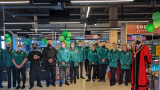
The Southern Co-op convenience store brand unveiled a new service through its Too Good To Go app that seeks to boost sales while serving the community at the same time. Customers can now buy surplus food and drink products that are near their expiration date, thus preventing further food waste.
The trial period for the platform started this past Monday and encourages clients to visit one of the 12 stores participating. Magic Bags of food are available to rescue at each of these locations for just a third of the cost, at just £3.29 from its original value of £10 or more.
“We’ve been fighting food waste for some time, making sure our waste is dealt with responsibly and none of it goes to landfill. But now we need to move on to the next stage – trying to keep as much food as possible in the food chain and save as many meals as we can. Magic Bags have flown off the shelves at many retailers and we hope we can replicate that success in our new trial,” said Simon Eastwood, Southern Co-op’s Chief Operating Officer for Retail.
A number of Magic Bags will be available for people to buy via the Too Good To Go app every day. Once purchased, the bags will be ready to collect from the chosen store between 6.30pm and 8.30pm. Each bag can contain a range of products from sandwiches, pizza, fruits, dairy, baked goods or desserts.
“At Too Good To Go we dream of a planet with no food waste and together with Southern Co-op we can ensure that perfectly delicious food is eaten and enjoyed. I’m excited to see the impact we can have in the fight against food waste in the coming months and years, and I know local customers will love rescuing their Southern Co-op Magic Bags,” commented Paschalis Loucaides, Managing Director UK at Too Good To Go.
Southern Co-op is currently working towards science based targets to cut direct and indirect greenhouse gas emissions from the business by 2030, supported by a climate action pathway of planned activity and an initial investment of £5.8m. All store waste is currently diverted from landfill with food sent off for anaerobic digestion to be broken down to produce biogas and bio-fertiliser.