Brazil introduces fuel subsidies amid Middle East tensions
Government plans monthly support to limit inflation impact and stabilize fuel prices ahead of elections.
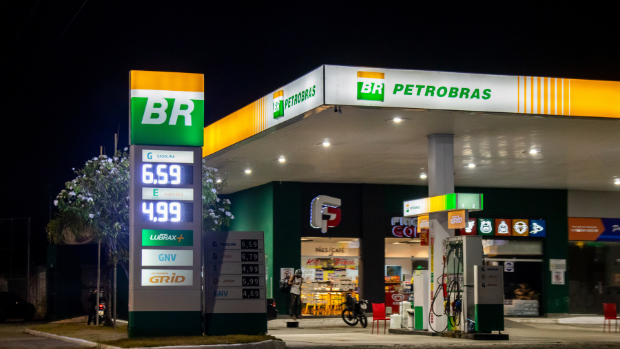
Brazil has announced new fuel subsidies to mitigate the economic impact of the conflict in Iran, with the government planning to spend up to R$2.9 billion (around $580 million) per month on gasoline and diesel support. The measure, introduced through a provisional decree, aims to contain inflation and stabilize domestic fuel prices ahead of the country’s presidential elections in October 2026.
The program will initially run for two months, with the option to extend if necessary, according to Planning Minister Bruno Moretti. It applies to both domestically produced and imported fuels, reflecting concerns over rising global oil prices linked to instability in the Middle East.
The subsidies are part of a broader package of measures introduced by President Luiz Inácio Lula da Silva’s administration since the start of the conflict. These include tax reductions and financial support across energy categories, totaling approximately R$13 billion (around $2.6 billions). Actions have included the removal of taxes on biodiesel and aviation fuel, incentives for domestic diesel production and subsidies for cooking gas imports.
At the same time, the policy framework allows Petrobras to raise fuel prices if needed, although the state-controlled oil company has so far limited adjustments to shield consumers from international price volatility. Current refinery prices in Brazil remain significantly below global benchmarks, according to industry data.
Finance officials stated that the subsidies do not breach fiscal rules, pointing to increased government revenues driven by higher oil prices. The measures highlight Brazil’s effort to balance economic stability and energy affordability in a period of global market uncertainty.