How Iran’s escalation is disrupting global energy markets
Threats to shipping and strikes on facilities tighten supply and lift prices across oil and gas.
Iran’s confrontation with the U.S. and Israel is reverberating through global energy markets, as threats to vessels in the Strait of Hormuz and drone activity targeting regional infrastructure constrain supply and unsettle traders. The chokepoint has seen traffic slow amid elevated risk, with shipowners and insurers curbing movements as a precaution.
Several tankers have been damaged in recent incidents, and nearby ports have faced temporary disruptions after debris from aerial interceptions sparked fires. The prospect of further attacks has intensified concerns over reliable passage through Hormuz, raising the cost and complexity of moving crude and LNG out of the Gulf.
“The idea that things return to normal once ships start moving again is misleading,” said Neil Crosby, AVP Oil Analytics at Sparta. “Even if the Strait operates at around 80% of normal capacity, that still represents a huge logistical shock for the global oil system.”
Patrick De Haan, Head of Petroleum Analysis at PDI Technologies, noted that the Middle East is vital not only for its concentration of OPEC producers and oil resources, but because 20–25% of global oil consumption (approximately 100 million barrels a day) transits Hormuz.
While Iran produces roughly 3–4 million b/d and exports about half, U.S. sanctions over the past five years have redirected much of those barrels to buyers such as China, meaning Iran’s exports alone aren’t the core driver of current volatility. Rather, risk to Hormuz, a congested corridor now slowed by recent attacks and threats to sink vessels, is the focal point for price sensitivity.
Supply chain fallout
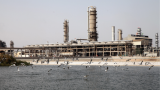
Refining capacity is also under strain. Units at key regional facilities have been halted or scaled back following drone activity, highlighting how quickly extraction, processing and export infrastructure can be taken offline during periods of escalation.
Benchmark prices reacted quickly, with international crude moving into the low‑$80s per barrel. De Haan noted that markets had already firmed weeks earlier after comments by former U.S. President Donald Trump about potential attacks, but the latest escalation surpassed those earlier moves. Gas benchmarks in Europe and Asia also climbed on fears of LNG delays and rerouting, with higher pump prices and logistics costs likely filtering through to broader inflation.
“Even if Hormuz reopens partially, the market still has to deal with the damage already done,” adds Crosby. “Infrastructure outages, refinery attacks and wellhead shut-ins across the region will take time to reverse. The supply chain disruption doesn’t disappear the moment ships start sailing again.”
Markets’ response
As trading activity resumes, the bigger structural shift is the redirection of crude and product flows away from the Gulf, with buyers diversifying routes to reduce exposure to Hormuz‑related risk.
“What we’re already seeing is a move toward longer-haul supply chains,” explains Michael Ryan, Freight Commodity Owner at Sparta. “Refiners that normally source from the Middle East are looking instead to the Atlantic Basin - the US Gulf Coast, West Africa and the North Sea.”
On the refining side, stress is already evident in jet fuel and middle distillates, where tighter feedstock availability and longer voyages are widening arbitrage windows and lifting prompt premiums.
“When crude supply becomes uncertain, refiners have two options: pay almost any price for available barrels or reduce throughput,” comments Phil Jones-Lux, Senior Analyst for Sparta. “If crude flows remain constrained, even partially, the system will struggle to keep refineries running at normal rates, particularly in Asia.”