Interview with Carlos García, Istobal: “Brasil and Mexico still have carwash potential”
PetrolPlaza spoke to Carlos Garcia, Director Global Markets, about Istobal's growth in Latin America, differences between markets and how to change the culture of hand washing.
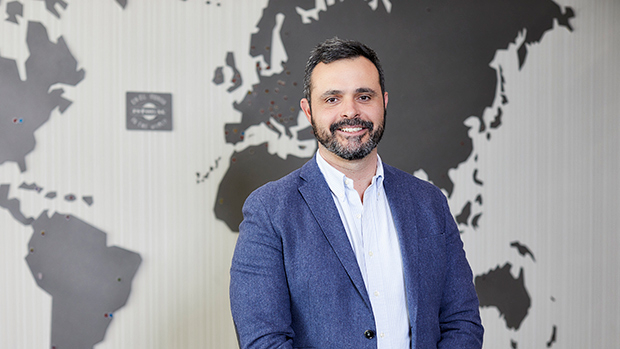
As an international Spanish company, was having a presence in Latin America always going to be a logical step for Istobal?
We share the same language and, to a certain extent, culture with the Latin American market. It is true that we have a more natural access than other brands that compete with us in Europe and the U.S. Our growth there culminates with two important moves. One is that Mexico consolidates itself as an important market through a very strong partner. The other is to establish a subsidiary in Brazil as a strategic location. We are not the first company to do that – Brazil has become the arrival point for many Spanish companies. It is a market with very high entry barriers; we thought that by manufacturing there we would be able to mitigate the cost of bringing European products. It is also a country with many opportunities. Brazil and Mexico continue to have a lot of potential for growth.
What potential do you see for car wash systems in other Latin American markets?
Chile is the most Europeanized market in terms of automatic car wash systems. The market is quite developed, both for end customers and fleets. Argentina has a lot of potential but the macroeconomic situation in recent years has not been the best. Even so, we continue to operate there. We are present in all countries and we have identified strong growth opportunities in Colombia, Uruguay, Ecuador, Peru and Central America.
A very active market that you have already mentioned is Mexico. How did you select your partner? What kind of growth do you see there?
We have been working with this partner for 30 years – they are very strong in Mexico. In general, both in Mexico and in the rest of Latin America, you always have to fight against hand-washing. You have to justify and develop a good business case. Our partner has been breaking the ice all this time. They have positioned themselves very well.
A hand-washing culture is a major hurdle to overcome for the industry. What do you rely on to change this model?
There are certain economic factors that have an impact such as the cost of labour or inputs. Environmental regulations also play an important role. In general, they are still insufficient. In addition to environmental regulation, there is also labour regulation. As submerged economies become more regularised, changes come naturally. There are places where hand-washing is more established. The Southern Cone has a good acceptance of automatic systems. Something we have seen this year is that the user generally feels safer going to an automatic car wash due to social distancing.
Then there is another social factor – doing things yourself can be frowned upon. People tend to have things done for them. A person who is used to having their car washed may be surprised to have to do it themselves with a jetwash, with the exception of Chile and Uruguay where it is more accepted. Automatic car washes do provide a plus in terms of speed. You can explain it more easily to an investor. Self-service faces a bigger cultural barrier.
In terms of products, how do you divide the offer you have in Latin America?
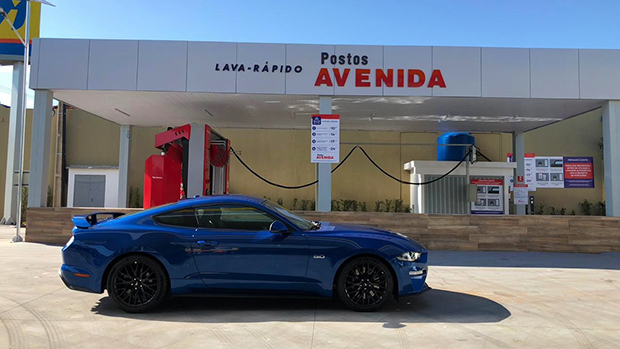
Istobal is the manufacturer with the most diversified product portfolio in the market. We cover the entire washing spectrum in more than 75 countries. In the region, we cover all segments: tunnels, gantry car washes, high-pressure wash centres, self-service, water treatment and payment systems. We are very strong in the commercial vehicle segment. In Mexico, Brazil and the Southern Cone we work a lot with petrol stations. In the Andean region we are very focused on fleets.
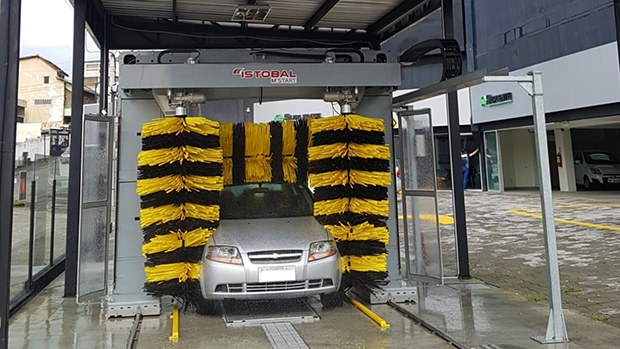
We have seen how tunnel washes are an increasingly common solution in the United States and, little by little, in Europe. Do you have any tunnel systems already in operation?
We have tunnel washes in Mexico. It’s a market that is very influenced by American culture. Tunnels and wash systems for heavy-duty vehicles sell very well.
In general, which way are these markets moving towards, an American or European model?
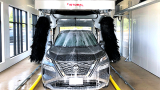
In Mexico, of course, the American model. Other markets, such as the ones from the Southern Cone, seem to be going more towards a European style. Each market is different and in the self-service wash segment there is quite a mix. In Mexico, Chile and Brazil, friction washing is accepted. Other areas such as the Andean region and Argentina still see it as a dangerous system for the car. Istobal's systems are very safe and advanced. We are working intensely to change the idea that brushes can scratch the car.
Have you already seen subscription models in some car washes?
We do see cases in some countries. In Mexico they are starting to ask for these programmes, maybe due to the American influence. In Ecuador, for example, our partner Autolavaggio is developing a chain of car washes where they are starting to promote subscription plans.
What is Istobal’s target for Latin America in the near future?
Our target this year is similar to last year's actual numbers. We don't expect the economic crisis caused by Covid to affect us much. In fact, we are seeing that the activity has recovered very well. We see that the market is going to become more and more dynamic. Large European operators are focusing on markets that are more oil dependant such as Latin America. This year we have seen that wash volumes have held up very well while fuel sales dropped. This should show local operators that car washes are a very interesting option. Not only because of the large profit margins but also because of the solidity of the business.
Related content