Jörg Heilingbrunner (Scheidt & Bachmann): “Differentiation through innovation is paramount”
Scheidt & Bachmann is reimagining the point of sale as a digital engagement hub. We spoke with CEO Jörg M. Heilingbrunner about what this means for customer loyalty, innovation, and the future of connected retail.
The point of sale is no longer just a transactional endpoint, it’s becoming a critical hub for engagement, loyalty, and digital innovation. As technologies like digital receipts, contactless payments, and retail media gain ground, retailers are rethinking how to connect with customers in more meaningful and personalized ways. Scheidt & Bachmann is actively channeling these trends by transforming the point of sale into a connected platform for loyalty, personalization, and long-term engagement.
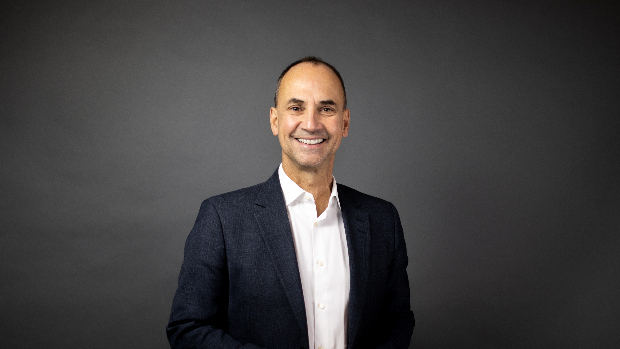
In this interview with MobilityPlaza, Jörg M. Heilingbrunner, CEO of Scheidt & Bachmann Energy Retail Solutions GmbH, shares his insights on how retailers can navigate rising customer expectations and rapid technological change. He discusses the role of artificial intelligence, unified data, and digital infrastructure in shaping the future of fuel and convenience retail, alongside how recent collaboration with anybill can contribute to enabling smarter, more relevant experiences.
MobilityPlaza. Loyalty in the fuel and convenience space is changing fast. How would you describe the evolution of customer retention strategies over the past few years?
Jörg M. Heilingbrunner: The focus has shifted from traditional, transaction-based loyalty schemes to holistic, data-driven approaches that leverage digital touchpoints at every stage of the customer journey. Operators need to transform previously anonymous purchases into meaningful customer relationships. This approach not only facilitates direct communication and personalised offers at the point of sale but also enables retailers to build robust CRM capabilities, thereby fostering sustained loyalty in an increasingly dynamic marketplace.
MP. Although loyalty programs continue to grow, actual customer engagement doesn’t always keep pace. What makes a loyalty strategy truly effective today?
JH: A strong loyalty strategy today is defined by its capacity to deliver personalised, relevant value seamlessly integrated into the customer experience. The misconception that loyalty is solely about issuing points or discounts often leads to disengagement; in reality, customers seek meaningful interactions and convenience. To achieve this, operators must embrace emerging digital touchpoints, such as digital receipts, that are becoming standard across the industry. These have become a pivotal channel for customer engagement and loyalty activation, as operators are allowed to address customers directly at the point of sale, invite them to join loyalty programs, and present personalised offers or retail media content based on real-time transaction data. This not only enhances the relevance of communications but also ensures a seamless, GDPR-compliant customer journey from checkout to long-term retention. By transforming the digital receipt into an interactive marketing and CRM tool, retailers can foster ongoing engagement and build lasting customer relationships.
MP: In a competitive and fast-evolving environment, how can new technologies help retailers stand out and meet rising customer expectations?
JH: Differentiation through innovation is paramount. Retailers can distinguish themselves by leveraging advanced technologies such as artificial intelligence for personalised recommendations, dynamic pricing, and targeted loyalty offers. By delivering tailored experiences and proactive engagement, operators can create memorable interactions that capture and retain user attention. Additionally, embracing emerging technologies—such as contactless payments, digital receipts, and integrated media displays—further enhances the customer journey and solidifies a retailer’s position as an industry innovator.
MP. Building on that idea of technology-driven differentiation, what synergies brought Scheidt & Bachmann and anybill together? How do you see it contributing to the industry's broader digital transformation?
JH: Our partnership is underpinned by a shared vision to transform the point of sale into a digital service platform that delivers added value for both operators and customers. Scheidt & Bachmann’s expertise in integrated system solutions, combined with anybill’s leadership in digital receipt technology, enables the seamless integration of CRM, loyalty, and retail media functionalities via SIQMA Connect. This collaboration not only simplifies the adoption of digital receipts but also empowers operators to convert anonymous transactions into actionable customer insights and long-term relationships. Looking ahead, the partnership is poised to drive further innovation by expanding digital touchpoints, enhancing data-driven marketing, and supporting the industry’s ongoing digital transformation.
MP: And when it comes to personalization, what is AI’s potential to deepen engagement and boost satisfaction?
JH: Artificial intelligence is revolutionising the way fuel and convenience retailers engage with their customers, enabling the delivery of highly personalised experiences at scale. By harnessing AI-driven analytics, retailers can analyse purchasing patterns, predict customer preferences, and deliver tailored offers in real time. The SIQMA platform supports the implementation of such technologies, offering robust data integration and advanced personalisation engines that seamlessly interact with loyalty programs and digital touchpoints. This not only increases relevance and engagement but also drives higher conversion rates and customer satisfaction, ultimately strengthening brand loyalty in a competitive marketplace. This not only increases relevance and engagement but also drives higher conversion rates and customer satisfaction, ultimately strengthening brand loyalty in a competitive marketplace.
MP: As you continue expanding digital touchpoints through this partnership, how can it help retailers adapt their customer journeys to better meet the expectations of younger, digital-native consumers?
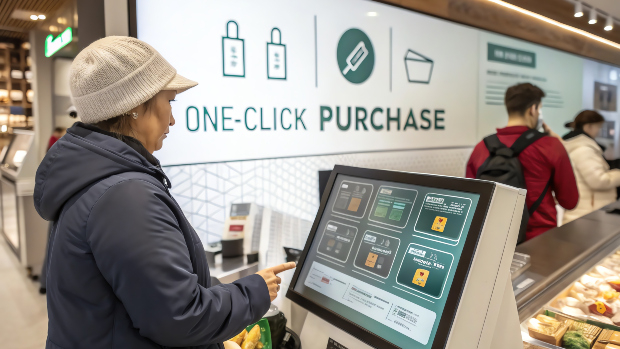
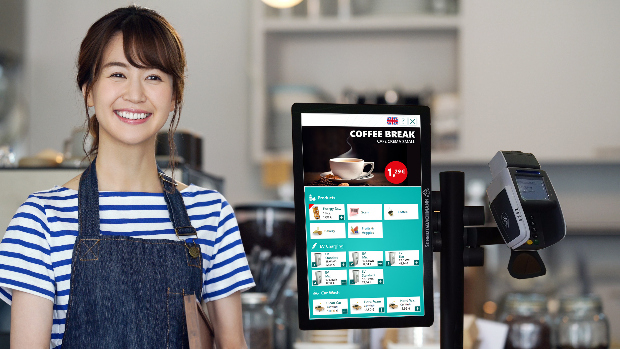
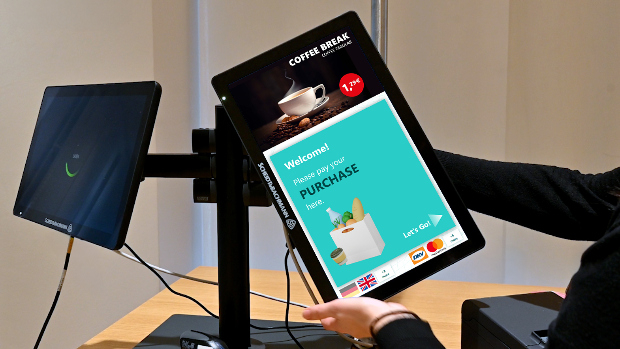
JH: The evolving preferences of younger generations, particularly their affinity for digital convenience and autonomy, necessitate a fundamental reimagining of the payment and checkout experience within the energy retail sector. Retailers are increasingly adopting mobile payment solutions and self-checkout technologies to meet these expectations. The SIQMA platform, for example, enables seamless integration of mobile payment options and advanced self-checkout terminals, allowing customers to complete transactions swiftly and independently. This not only reduces waiting times but also aligns with the digital habits of younger consumers, thereby enhancing engagement and fostering long-term loyalty. Furthermore, the ability to unify these solutions within a single, robust infrastructure ensures consistent, frictionless experiences across all customer touchpoints.
MP. Data fragmentation often disrupts experiences and leads to missed opportunities. What strategies can help overcome this and support more integrated, cross-channel engagement?
JH: It is essential for operators to implement integrated platforms that unify data streams from all customer touchpoints. This centralisation not only eliminates operational silos but also empowers operators to deliver consistent, personalised experiences across all channels. Unified data enables more effective cross-channel marketing, targeted promotions, and advanced CRM functionalities, thereby unlocking new opportunities for customer engagement and business growth.
MP. Retail media is growing as a key engagement channel for retailers and brands alike. In what ways can unified data enhance its effectiveness and impact in this industry?
JH: The fuel retail industry can draw valuable insights from sectors such as grocery and e-commerce, where retail media is deeply integrated into the customer journey and driven by transaction data. A successful retail media strategy in this context is characterised by its ability to leverage first-party data, deliver personalised and timely content, and measure outcomes with precision. By embedding retail media directly into the digital receipt and payment process, operators can create new revenue streams while enhancing the overall customer experience.
MP: Beyond digital convenience, how can partnerships with adjacent businesses help drive loyalty and repeat visits?
JH: Cross-promotional initiatives represent a significant opportunity to expand value proposition and reinforce customer loyalty. Establishing partnerships with complementary businesses, such as quick-service restaurants or local retailers, enables the creation of bundled offers and targeted discounts that resonate with diverse customer segments. This not only drives incremental visits but also enhances the overall brand experience, positioning the retailer as a central hub for everyday mobility and convenience needs. For instance, SIQMA Couponing.Connect is designed to facilitate these collaborations by enabling seamless integration of third-party promotions directly into the customer journey, whether at the pump, in-store, or via digital channels.
MP. These digitization trends also bring security and trust into sharper focus. As retailers adopt more connected technologies, how can they protect customer data and clearly convey a sense of security to their customers?
JH: As digital payment and loyalty platforms become increasingly prevalent, ensuring the security of customer data and maintaining trust are of utmost importance. Adherence to the highest industry standards for data protection and regulatory compliance is essential. By providing a secure and reliable transaction environment, retailers can instil confidence among their customers, safeguard sensitive information, and ensure seamless, trustworthy digital interactions. We address these challenges through advanced encryption technologies, secure authentication protocols, and continuous system monitoring, all of which are integral components of the SIQMA platform.
Interview by Gonzalo Solanot