OLA Energy bets on Africa’s future
The Pan-African retailer has rebranded from Oil Libya, invested millions in its expansion and signed a host of partnerships over the last five years.
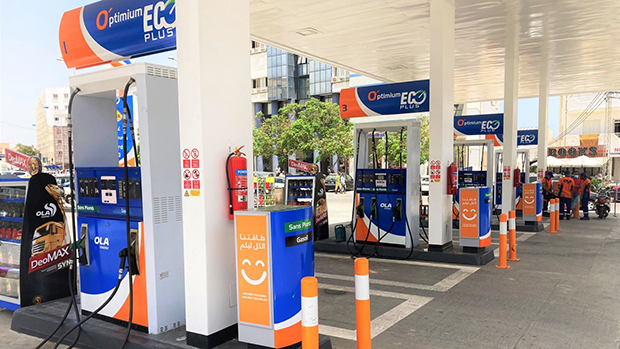
A growing player in the African energy market, OLA Energy invested around €200 million over the last four years in the strategic development of the brand, expansion of its service station network and improvement of its logistics.
Under Fayed Mohamed Altwair, the newly appointed CEO, OLA Energy intends to continue to grow its network of 1,300 services stations, currently present in 17 African countries, while adding new services in the field of food, convenience stores, mobility and repair.
Since 2017 the OLA Energy Group has opened 80 new service stations per year across its pan-African network, including in Gabon, Morocco, Kenya, Reunion and Egypt. Approximately 500,000 customers choose to refuel at one of OLA’s service stations every day or simply stop for a coffee on their way to work.
“As one of the continent’s leading economic actors, OLA Energy is committed to increasing access to energy in Africa and contributing to the progress of the countries in which we operate. With our network of service stations, we guarantee our customers proximity and a higher level of service,” said Fayed Altwair, who took over as CEO from Mazin Ramadan in October.
The Pan-African player has 8 blending plants, over 60 fuel terminals and is present in over 50 airports.
Creating new partnerships
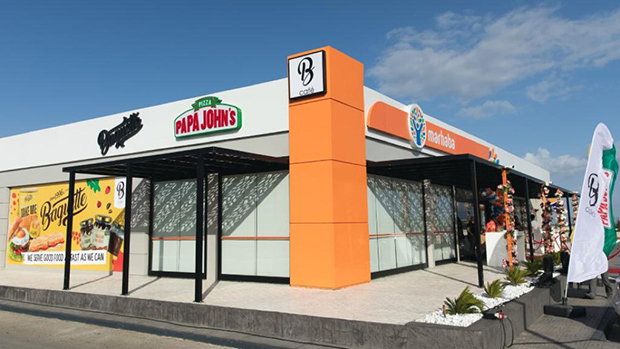
The company’s growth strategy has come hand in hand with the signing of various new partnerships, including Starbucks, Midas, Pizza Hut Bosch and KFC. OLA Energy also wants to participate in the growth of local African brands like O’Good Food.
A key partnership is the signed with Midas to open repair shops at OLA Energy services stations. Midas currently has more than 2,200 points of sale in 20 countries where it provides routine maintenance and repairs to multi-brand vehicles.
“The acceleration of the momentum of this excellent partnership, thanks to the optimization of the range of quality services available at the station, allows more OLA Energy and MIDAS customers to benefit from the synergies between automotive maintenance and the station- service on the mainland,” said Maurizio Libutti, Chief Operating Officer at OLA Energy.
Looking at the future
Formerly known as Oil Libya, the rebranding of the company is in line with other international oil companies that are moving away from fossil fuels. In an interview with African Business, Motasim El Alem, Chief Strategy Officer, said they are embracing the zero-carbon strategy endorsed by governments, including by using solar panels to power its retail outlets.
El Alem expects a huge growth of two- and three-wheel vehicles as the continent stops depending on second-hand cars from abroad. Many of these, as well as small cargo vehicles, will be electric.
There’s also a big opportunity to store and sell LPG. A big part of Africa’s population still use biomass to cook. LPG would allow to reduce the costs and environmental impact.
“In North Africa, because of the availability of LPG, they consume about 50kg of gas per person per year, and this applies for 50% of the total population. In sub-Saharan Africa, that is closer to 5kg per year, and that applies to only 10% of the population, if that. So there’s an opportunity there, to grow the market, as well as reduce harmful emissions,” says El Alem in the interview.
OLA Energy has also partners with Ecobank for digital financial services and Jumia for online shopping. In addition, it has developed OLA GO, its own loyalty program.