
Top 5 loyalty trends dominating mobility and convenience
As digitalization, new mobility, and rising customer expectations reshape the market, loyalty sits at the center of profitability. Here are the five key trends defining how service stations and convenience retailers will build stronger connections.
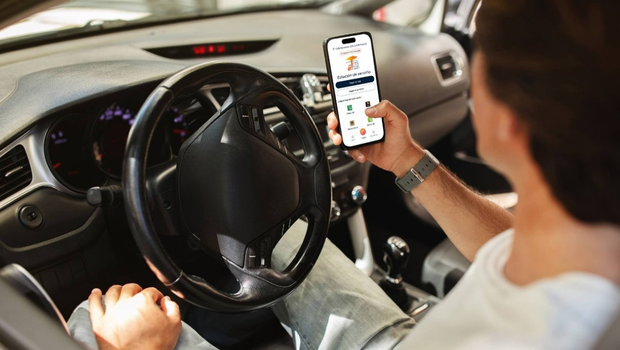
Loyalty programs have long been central to the fuel and convenience retail industry. As customer expectations rise, digitalization accelerates, and new mobility reshapes the business, the role of loyalty is transforming. It is no longer just a marketing add-on, it is becoming a core driver of profitability and competitive edge.
The numbers underscore its importance: according to PDI, loyalty members can spend up to 30% more per visit than non-members. Meanwhile, studies by Boston Consulting Group find that although consumers often participate in more than a dozen loyalty programs, they remain quick to switch if the value isn’t clear.
“Retailers are moving toward fully integrated platforms that connect fuel, food, EV charging, and even home energy into one seamless digital experience. By leveraging first-party data, they deliver highly personalized offers, real-time rewards, and dynamic pricing, making every interaction relevant and timely,” says Christian Warning, CEO of The Retail Marketeers and industry expert.
So, what’s next for loyalty in service stations and convenience retail? Here are five trends shaping today’s market.
1. From points to subscriptions
The traditional “earn and burn” model is evolving toward subscription-based loyalty. Instead of waiting for points to accumulate, customers pay for immediate access to benefits.
In Denmark, Clever has pioneered this with Clever One, a subscription offering unlimited EV charging nationwide, bundled with home charging and roaming partners. While not a loyalty program in the classical sense, it achieves the same outcome: long-term customer lock-in.
Circle K has taken subscriptions further by integrating beacon technology with partners like Liquid Barcodes. Its subscription car wash is verified automatically as a customer approaches the wash bay, reducing friction and creating a near-instant experience.
Subscriptions help reduce churn and foster what PDI calls emotional loyalty, a sense of belonging and value that extends beyond discounts.
2. Hyper-Personalization is king
With consumers juggling 15+ loyalty memberships on average (BCG), only a few programs capture real engagement. The key differentiator is personalization based not just on demographics, but on actual behavior—what customers buy, how often they refuel, or whether they use EVs.
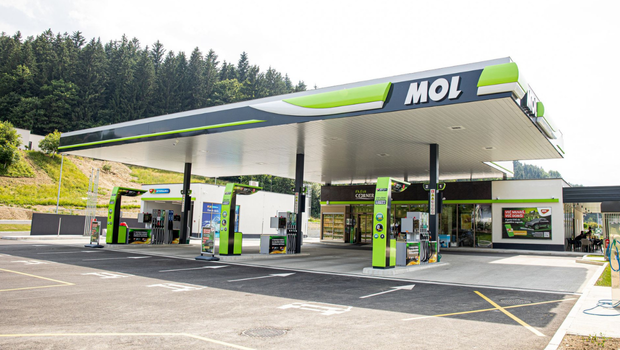
MOL Group’s MOL Move program illustrates this shift. Using AI and advanced analytics, MOL personalizes offers for micro-segments, with gamified features such as digital scratch cards. Its Salesforce-driven loyalty system is one of the largest in Central Europe. Vendors like Comarch are also pushing this frontier by embedding AI-driven insights into loyalty platforms, enabling retailers to deliver timely, tailored interactions that reduce churn.
Hyper-personalization is still an emerging capability in fuel retail, but as technology matures, programs that remain generic will quickly lose relevance.
3. Ever expanding ecosystems
Loyalty confined to a single retailer is increasingly insufficient. Customers now expect benefits that extend beyond fueling—into retail, travel, dining, or digital services.
Analysis by Sia Partners highlights that retailers who form partnerships across industries grow faster than those who stay isolated.
A leading example is Repsol’s Waylet app. Launched in 2017, it has grown from a payment tool into Spain’s largest mobility and energy loyalty platform, with more than 8 million active users and around 250,000 daily transactions. Beyond fuel, it integrates EV charging, parking, e-commerce, and even ticketing through partners such as El Corte Inglés and Seetickets. By combining payments, rewards, and coalition benefits, Waylet positions itself as a super-app at the center of a broad mobility ecosystem.
4. Foodservice as the loyalty driver
Food and beverage are becoming anchors of loyalty. According to PDI’s 2025 Lasting Loyalty Guide, loyalty members spend disproportionately more on foodservice once inside the store. This makes coffee, snacks, and meals crucial to driving frequency and basket size.
Parkland in Canada is blending its JOURNIE Rewards program with in-store offers to encourage cross-category spending. 7-Eleven, meanwhile, has made its loyalty system synonymous with coffee — rewarding daily frequency and creating stickiness in one of convenience retail’s most habitual categories. Other retailers are introducing exclusive breakfast bundles or meal deals for members, boosting morning traffic and positioning stations as the “first stop of the day.”
With the global online food delivery market projected to reach nearly $1.9 trillion by 2029 (Statista), convenience retailers who integrate foodservice and loyalty into digital ordering stand to capture a significant share of consumer spend.
5. Seamless tech and sustainable loyalty
Today’s successful programs combine frictionless technology with visible responsibility. In many mature markets, loyalty transactions account for 40–70% of total fuel sales (PDI/NACS). The programs leading in share are those that deliver speed, security, and sustainability.
Maxol FuelPay in Ireland is a strong example, combining mobile payment, rewards, and gamification with a carbon offset programme that allows customers to purchase 100% carbon-offset fuel. In Germany, AVIA has rolled out digital receipts across 900 sites through anybill to cut paper waste and reinforce its eco credentials. Meanwhile, Shell has introduced discounts for customers using reusable cups, added water refill stations, and expanded waste-reduction initiatives across its service station network.
Sustainability is no longer optional—it is part of the loyalty value proposition. From digital receipts to carbon-offset rewards, customers increasingly want programs that reflect their values.
Loyalty as the business
“The most inspiring loyalty programs are those that blur the lines between transaction, engagement, and experience. The best examples show the power of platform thinking: using loyalty not just to reward transactions, but to build habits, deliver convenience, and capture first-party data that fuels personalization. Whether it’s subscription services, mobile payments, or gamified offers, these programs create emotional stickiness and make customers feel like members, not just buyers,” adds Warning.
The future lies in hybrid models: subscription services for predictability, coalition networks for flexibility, personalization powered by AI, and sustainability that resonates emotionally. Retailers who embrace this will not just retain customers, they will redefine what “convenience” means in the mobility era.
Written by Oscar Smith Diamante