What fuel retailers need to do to thrive in the EV age
EVs and plug-in hybrids are expected to represent 33% of sales in China, Europe, and the U.S. by 2030. A new report by AlixPartners looks at the strategies fuel retailers could follow to succeed in tomorrow's market.
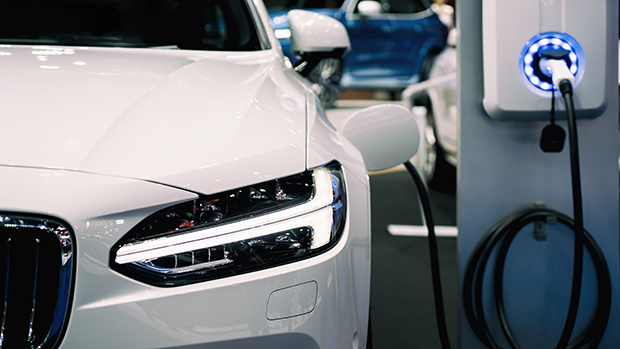
The gas station model is set for a transformation as electric vehicles begins to reshape the auto industry and the wider economy, according to a new report by AlixPartners. Manufacturers, suppliers, and dealers have begun retooling for a major shift in supply chains, consumer expectations, and production techniques. For fuel retailers, the gradual move from gasoline-fueled vehicles to EVs will mean a disruption of the economics of existing locations, resetting customer expectations due to long charging times, and additional investment in charging and other amenities.
Electric vehicle penetration is gaining traction due to a confluence of factors. EVs and plug-in hybrids are expected to represent 33% of sales in China, Europe, and the U.S. by 2030. This forecast anticipates 26.4 million electric vehicles sold in those three major markets that year alone.
While China is expected to continue to lead the world in EV sales and market share, Europe’s share of EVs as a percentage of vehicles sold will increase, followed closely by North America. EVs represent a little more than 2% of U.S. new car sales in 2021. The Biden administration is angling to bolster America’s EV adoption curve, with a proposal to spend significant sums of taxpayer money to encourage the transition to EVs.
In terms of vehicle manufacturers, Tesla continues to lead in the luxury segment, GM aims to sell only zero-emissions vehicles by 2030, Ford is targeting 40% of sales to come from EVs by 2030, while Volkswagen is shooting for 50% EV sales by that date.
Major oil companies are making big bets that EVs will significantly replace traditional fuels. Shell, with 60,000 charge points globally, expects to increase that number to 500,000 by 2025 and 2.5 million by 2030. BP, which recently bought the UK’s largest EV charging company, is equally bullish. Total, meanwhile, appears to be balancing its bet between EVs and hydrogen as the ultimate zero-emissions solution.
With increased competition coming from coffee shop, restaurant, gym, mall and other retail spaces, fuel retailers need to reposition and reconfigure their networks for the upcoming transition to EVs and potentially hydrogen vehicles. The longer they wait, the more challenged their business model will be and the more likely it becomes that they will be left in the dust.
Keys to success:
- Electrification strategy. To develop a response strategy, companies should assess existing locations and the potential risk of EV disruption to that footprint over the short and long term.
- Footprint optimization and development planning. Companies must assess and update their store footprint and development plans to align with their electrification strategy.
- Digital engagement. Companies need to utilize analytics to understand changing consumer behaviours and then use those insights to engage consumers digitally.
- Business model innovation. Changing consumer patterns and disrupted revenue channels will require companies to both strengthen their core business and look for alternative revenue channels.
Read the full report here.